
24/7 Customer Support

Free returns

Same-day & Next-day Delivery

Quality Guaranteed

Unlock Your Welcome Offers: FREE Delivery | Up to 80% OFF | Free 30-day JoyPlus trial
Download the APP
As a parent, you want what's gentle and safe for your baby. But with growing awareness of environmental issues, you also want to make choices that are kind to the planet. Navigating the world of baby wipes can be surprisingly complex, especially when many conventional options contain hidden plastics.
This guide is designed to help you cut through the clutter. We'll walk you through the key features to look for in plastic free baby wipes and share some of our top recommendations, helping you find a product that suits your baby's needs and your family's values.
Choosing the right wipe goes beyond just the price tag. For parents in the UK, considering material, formula and disposal method is key to making an informed decision.
The most significant factor in eco friendly baby wipes is the material. Look for wipes made from 100% plant-based fibres, such as wood pulp or viscose. These materials are renewable and, unlike plastic-based wipes, are often biodegradable, meaning they can break down naturally over time when disposed of correctly. Certifications like PEFC (Programme for the Endorsement of Forest Certification) can also provide assurance that the plant fibres come from sustainably managed forests.
A baby's skin is delicate, particularly for newborns or those with eczema. The ideal sensitive skin baby wipes have a simple, pure formula. Prioritise water based baby wipes, which typically contain over 99% water. Check the ingredients list to ensure they are free from alcohol, perfumes and chlorine. Accreditations from organisations like Allergy UK or endorsements from paediatricians can offer additional confidence that the wipes are suitable for newborn baby wipes.
Disposal is a critical consideration. While many wipes are biodegradable in compost or landfill, very few are suitable for flushing. Flushing the wrong type of wipe can contribute to 'fatbergs' and blockages in UK sewer systems. If you need a flushable option, look for the official 'Fine to Flush' certification from Water UK. This is the only standard that guarantees a wipe will break down in the sewer system like toilet paper. If a wipe doesn't have this specific logo, it should always be disposed of in a bin.
Here are a few standout options that combine gentle care with environmental consciousness.
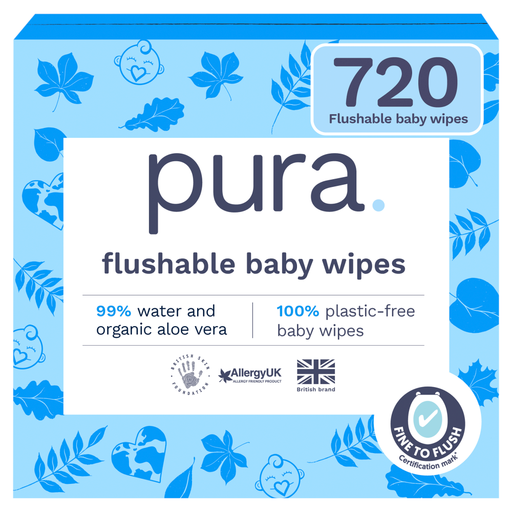
Why It Stands Out: The Pura wipes are one of the few on the market to hold the official ‘Fine-to-Flush’ accreditation from Water UK. This makes them a uniquely convenient and responsible choice for households connected to mains sewers, helping to prevent plumbing issues.
Pros:
Who is it for: Environmentally conscious parents who value the convenience of a flushable wipe and want assurance that it won't harm UK waterways or their plumbing. The bulk pack also offers good value for families.
View Pura Flushable Eco Baby Wipes
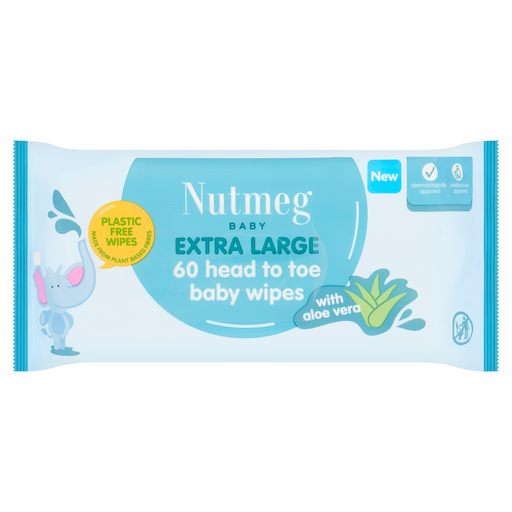
Why It Stands Out: The extra-large size of these wipes makes them highly versatile for more than just nappy changes. They are ideal for cleaning messy hands and faces after meals or playtime, offering great coverage with a single sheet.
Pros:
Who is it for: Parents looking for a larger, multi-purpose wipe that can handle bigger messes efficiently. A great option for toddlers and for keeping in the changing bag for on-the-go clean-ups.
View NUTMEG XL Head to Toe Wipes
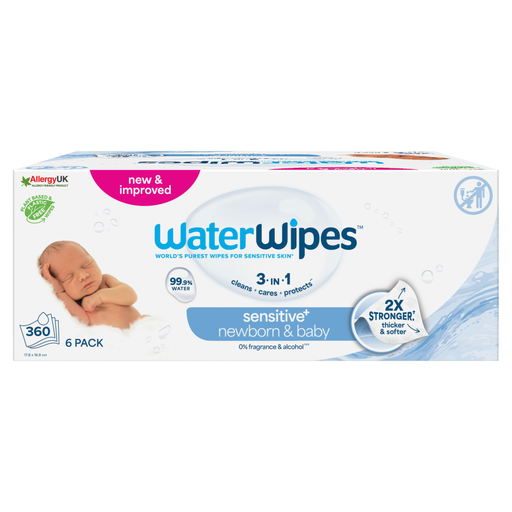
Why It Stands Out: WaterWipes are renowned for their exceptionally pure formula. Containing just two ingredients—99.9% purified water and a drop of grapefruit seed extract—they offer a clean that is about as simple as it gets.
Pros:
Who is it for: Parents of newborns or babies with highly sensitive or eczema-prone skin. If you are looking for the most minimal formula available, this is a leading choice.
For those committed to a minimal-waste lifestyle, disposable wipes are just one part of the equation. Reusable wipes offer a durable, long-term solution that eliminates packaging and product waste entirely.
If you're interested in exploring this zero-waste approach, you can browse our selection of baby cloth wipes.
No, this is a common misconception. Biodegradable baby wipes are designed to break down in soil or compost conditions, not in water. Flushing them can still cause blockages. Only wipes with the official 'Fine to Flush' logo from Water UK have been tested and proven to break down safely in the UK's sewer system. Always check the packaging for disposal instructions.
Wipes suitable for sensitive skin typically have a very simple formulation. Key features include a high water content (often over 99%) and being free from potential irritants like alcohol, synthetic fragrances and chlorine. Look for products that are dermatologically approved or have certifications from bodies like Allergy UK to ensure they are gentle enough for delicate skin.
Conventional baby wipes are often made with polyester and other plastics. When disposed of, these plastics do not biodegrade; instead, they break down into microplastics that can pollute our soil and waterways for hundreds of years. Choosing plastic free baby wipes made from plant-based fibres is a direct way to reduce plastic pollution and opt for a more sustainable, renewable resource.