
24/7 Customer Support

Free returns

Same-day & Next-day Delivery

Quality Guaranteed

Unlock Your Welcome Offers: FREE Delivery | Up to 80% OFF | Free 30-day JoyPlus trial
Download the APP
Choosing the right baby wipes can feel like a significant decision. As a parent or caregiver in the UK, you want a product that is gentle and safe for delicate skin, but you are also increasingly aware of the environmental impact of everyday items. Many conventional wipes contain plastics that contribute to pollution, and navigating labels like "biodegradable" or "eco-friendly" can be confusing.
This guide is designed to help you understand the key features of plastic-free baby wipes. We will outline what to look for when making a choice and present some of our top recommendations, focusing on products that prioritise both your baby's well-being and environmental responsibility.
Making an informed choice goes beyond just the "plastic-free" label. Here are a few practical points to consider to ensure you find the right fit for your family.
The term eco-friendly baby wipes can mean different things. True plastic-free baby wipes are typically made from plant-based wipes materials like wood pulp, viscose or cotton. These materials are a more sustainable alternative to the polyester (plastic) fibres found in many standard wipes.
Look for independent certifications that verify a product's claims. For instance, the PEFC (Programme for the Endorsement of Forest Certification) logo indicates that the plant fibres come from sustainably managed forests. Similarly, biodegradable baby wipes should break down under certain conditions, but it is important to remember that this does not mean they are flushable. Always dispose of wipes in a household waste bin.
A baby's skin is significantly thinner and more delicate than an adult's, making it prone to irritation. This is especially true for newborn baby wipes or for children with sensitive or eczema-prone skin.
Opt for unscented baby wipes and hypoallergenic baby wipes to minimise the risk of reactions. A simple, clean ingredients list is often a good sign. Many parents prefer water-based baby wipes, which use purified water as their main component, often with just a few gentle, plant-derived cleansers or preservatives. Checking for accreditations from organisations like the Skin Health Alliance or Allergy UK can provide additional reassurance.
From nappy changes to messy mealtimes, you will go through a lot of wipes. Buying bulk baby wipes can be a cost-effective and convenient option, ensuring you are never caught short. Consider the packaging as well; a reliable, resealable opening is crucial for keeping the wipes moist and fresh down to the very last one.
Here are a few standout options that balance gentle care with eco-conscious design.
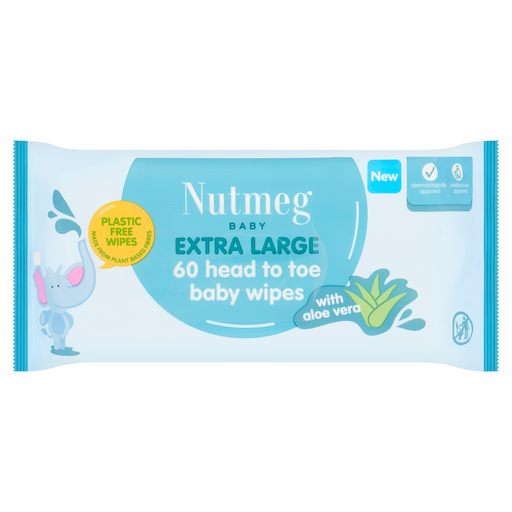
Why It Stands Out These wipes are distinguished by their extra-large size, making clean-ups quicker and more efficient. They are made from 100% plastic-free, plant-based fibres sourced from sustainably managed forests, as confirmed by their PEFC certification. The formula is paediatrician and dermatologically approved, enriched with aloe vera for a soothing touch.
Pros
Who is it for? Parents looking for a versatile, large and durable wipe that can handle everything from nappy changes to sticky hands and faces, with the assurance of sustainable and ethical credentials.

Why It Stands Out These wipes are designed with durability and gentleness in mind. They are approximately three times thicker than many standard wipes, offering a soft, cotton-like feel that does not tear easily. Certified by OEKO-TEX, they are confirmed to be free from harmful substances, making them an excellent choice for baby wipes for sensitive skin. The high moisture content helps reduce friction during cleaning.
Pros
Who is it for? Families who prioritise certified safety for sensitive skin and appreciate the value and durability of a thicker, more robust wipe. This bulk pack is ideal for stocking up.
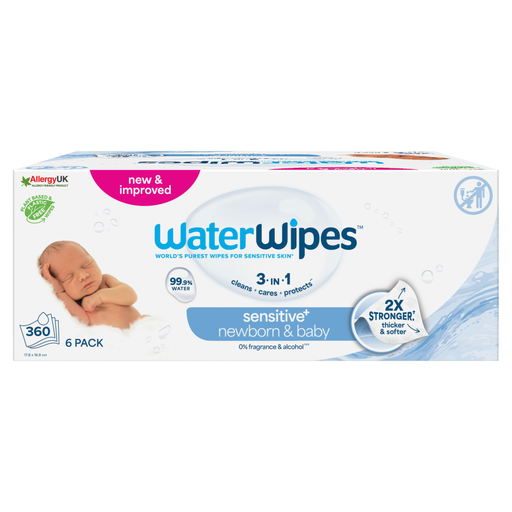
Why It Stands Out WaterWipes are known for their exceptionally pure and simple formula. They contain just two ingredients: 99.9% purified water and a drop of grapefruit seed extract. The water undergoes a 7-stage purification process, making it exceptionally clean. The wipes themselves are plastic-free and plant-based. Their suitability for the most delicate skin is backed by approvals from Allergy UK, The Vegan Society and the Skin Health Alliance.
Pros
Who is it for? Parents of newborns, premature babies or children with highly sensitive skin or allergies who are seeking the purest, most minimal wipe formulation available.
If you are specifically searching for wipes suitable for the very beginning of your parenting journey, there are many excellent choices available.
? Explore our full range of baby wipes for newborns to find the perfect gentle solution for your little one.
1. Are biodegradable baby wipes and plastic-free baby wipes the same thing? Not necessarily. Plastic-free baby wipes are made from materials like plant fibres (viscose, cotton, wood pulp). Biodegradable baby wipes are designed to break down into natural elements, but this process requires specific conditions. While most plastic-free wipes are biodegradable, some wipes marketed as "biodegradable" may still contain plastics that break down into microplastics. Always check the material composition.
2. Can I flush plastic-free or biodegradable baby wipes? No. Even if a wipe is plastic-free, it does not break down quickly enough in the UK's sewage systems. Flushing wipes can lead to serious blockages, contributing to "fatbergs" in sewers. Always dispose of used wipes in a household waste bin.
3. What should I look for in baby wipes for eczema-prone skin? For eczema-prone skin, simplicity is key. Look for hypoallergenic and unscented baby wipes with a minimal ingredients list. Water-based baby wipes are often a good choice. Accreditations from organisations like Allergy UK or the Skin Health Alliance can also provide confidence that a product is suitable for sensitive skin.