
24/7 Customer Support

Free returns

Same-day & Next-day Delivery

Quality Guaranteed

Unlock Your Welcome Offers: FREE Delivery | Up to 80% OFF | Free 30-day JoyPlus trial
Download the APP
As a parent or carer, you want to make choices that are gentle on your baby’s skin and considerate of the environment. Navigating the world of baby products can be overwhelming, especially when you’re looking for items that meet both of these important criteria. The good news is that many brands now offer plastic free baby wipes, making it easier to find an option that aligns with your values without compromising on quality.
This guide is designed to help you understand what to look for when choosing wipes for your little one. We will walk through the key features of high-quality, eco friendly baby wipes and present a few of our top recommendations to simplify your search.
Finding the right wipe involves more than just picking a pack off the shelf. Here are a few key considerations to keep in mind, particularly for parents in the UK.
A baby's skin barrier is delicate and more susceptible to irritation, especially in the early months. This makes the ingredients list one of the most important factors. Look for sensitive skin baby wipes that are hypoallergenic and free from common irritants like alcohol, parabens and fragrances.
Many options suitable for newborn baby wipes are water based baby wipes, often formulated with 99% purified water and a minimal number of other gentle ingredients. This simple approach provides an effective clean while helping to maintain the natural balance of your baby's skin.
The term "eco-friendly" can mean different things. In the context of baby wipes, the most significant factor is the material. Traditional wipes often contain plastic fibres, which do not break down and contribute to pollution. Plastic free baby wipes are typically made from plant-based fibres, such as wood pulp or viscose.
It is also important to note proper disposal. Even if a wipe is labelled as biodegradable, it should not be flushed. UK water companies advise that only the "3 Ps" (pee, poo and paper) should go down the toilet. Wipes can cause serious blockages in sewer systems, so always dispose of them in your household waste bin.
Babies require frequent nappy changes, and wipes are used for much more than just bottoms. From sticky hands to messy faces, you will likely go through them quickly. Purchasing bulk baby wipes is often a more economical and convenient choice. It reduces the frequency of your shopping trips and can lower the overall cost per wipe. Buying in larger quantities also means less packaging waste over time, which is another small step towards a more sustainable routine.
Based on their formulations, materials and suitability for delicate skin, here are some noteworthy plastic-free options available.
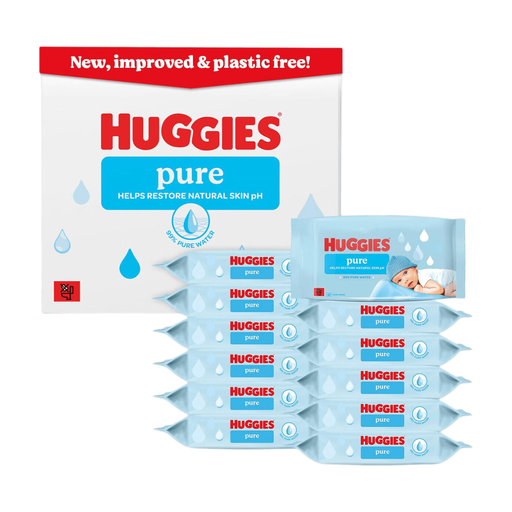
Why It Stands Out: These wipes are made with 100% natural fibres and are completely free of plastic, offering a straightforward, sustainable choice. Their gentle formulation is designed to be versatile, making them a practical staple for nappy changes, mealtimes and general clean-ups.
Pros:
Who is it for: Parents seeking a dependable, multi-purpose wipe from a well-known brand that is both gentle on the skin and free from plastic.
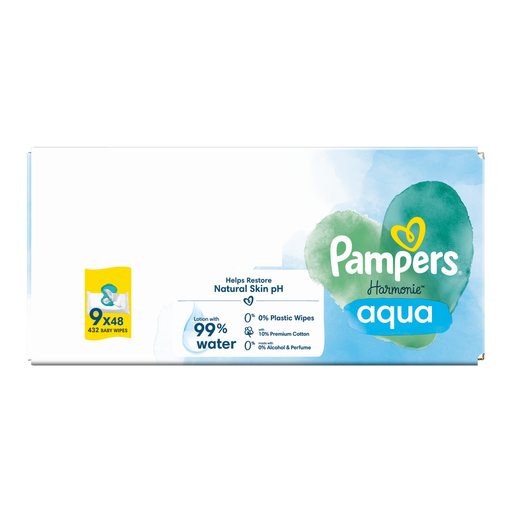
Why It Stands Out: The key feature of the Pampers Harmonie Aqua wipes is their unique formula, which is designed to help restore the skin's natural pH balance. This can be particularly beneficial during nappy changes, as it helps protect against irritation. The wipes have also been approved by Skin Health Alliance dermatologists.
Pros:
Who is it for: Carers who are particularly focused on preventing nappy rash and protecting the skin's delicate barrier and who value a formula with pH-balancing properties.
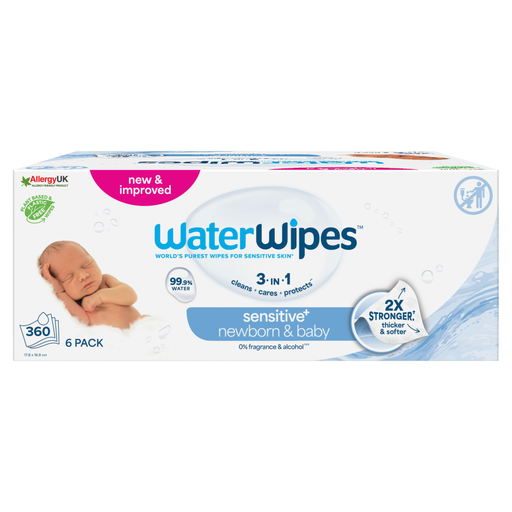
Why It Stands Out: WaterWipes are known for their exceptionally simple formula. They contain just two ingredients: 99.9% purified water and a single drop of grapefruit seed extract. The water undergoes a 7-stage purification process, making it exceptionally pure for a gentle and effective clean.
Pros:
Who is it for: Parents looking for the purest and simplest wipe formulation available, especially for babies with highly sensitive, premature or allergy-prone skin.
If these specific recommendations aren't quite what you need or if you would like to browse a wider selection of products for your little one, we have a comprehensive collection available.
Discover our full range of baby care accessories to find the perfect fit for your family's needs.
Not always. "Plastic-free" confirms the wipe material does not contain plastic polymers. Many are made from plant-based fibres like viscose or wood pulp, which can biodegrade under specific industrial composting conditions. However, this does not mean they will break down in a landfill or home compost bin. Always check the packaging for specific disposal instructions and certifications.
No. Regardless of the material, baby wipes should never be flushed down the toilet. They do not disintegrate in the UK's sewage systems in the same way that toilet paper does and are a primary cause of 'fatbergs'—large, costly blockages in our pipes. Always dispose of used wipes in a household waste bin.
A newborn's skin is significantly thinner and more delicate than an adult's, making it more vulnerable to dryness and irritation. Water based baby wipes, which typically contain over 99% water and very few other ingredients, are recommended because they clean effectively without introducing unnecessary chemicals, fragrances or alcohol. This simple approach closely mimics the traditional and trusted method of using cotton wool and water.