
24/7 Customer Support

Free returns

Same-day & Next-day Delivery

Quality Guaranteed

Unlock Your Welcome Offers: FREE Delivery | Up to 80% OFF | Free 30-day JoyPlus trial
Download the APP
A well-organised home does not require every item to match. It does require storage that suits the space, the weight of the contents and how often you need to access them. For UK households, plastic storage boxes and baskets can help manage wardrobes, children’s rooms, home offices, garages, kitchens and utility areas without taking up unnecessary floor space.
However, attractive photographs and large capacity figures do not always tell the full story. The wrong box may not fit your shelving, the wrong lid can make access frustrating, and a basket designed for light household items may not support heavier loads.
A box described as “large” may still be unsuitable for a cupboard, loft shelf or car boot. Capacity in litres only indicates internal volume; it does not confirm whether the box will fit through a narrow opening or beneath a bed.
Always check length, width and height, including the lid. For example, a low-profile 4L box may suit documents and craft materials, while a 35L storage box is more suitable for bulky clothing, toys or tools.
Plastic type, construction and lid design affect how a product should be used. A polypropylene box intended for clothing or office supplies should not automatically be used for hot food. For kitchen storage, check the product information for food-contact suitability, freezer and dishwasher guidance before buying.
Similarly, ventilated baskets are useful for fruit and vegetables because airflow can help reduce moisture accumulation, but they are not the same as airtight food storage containers.
A box may be advertised as stackable, but stable stacking depends on a flat lid, a compatible base and sensible loading. Boxes should not be stacked too high or overloaded, particularly on uneven garage shelving.
Built-in handles, secure clips and an anti-slip base are practical features that can make a noticeable difference when moving seasonal items or heavier household contents.
Polypropylene, commonly abbreviated to PP, is widely used for household storage because it is lightweight and can be formed into rigid containers. Look for details such as reinforced corners, a strengthened base, rounded edges and ribbed sides.
A 2.5mm thickened body, as specified on several of the clear boxes below, provides a useful point of comparison. It does not indicate a guaranteed load capacity, so follow the seller’s stated weight guidance and avoid placing heavy objects in boxes that are designed for light items.
For more sustainable home organisation storage, some baskets are made from recycled plastic. This describes the material source, not unlimited recyclability or a particular environmental outcome. Check local council recycling guidance before disposal.
Storage boxes with lids offer protection from dust and help keep contents contained during moving. Snap-on lids are convenient for regular access, while clip or bungee-style closures may provide a more secure hold for transport.
For clothes, bedding and documents, a close-fitting lid is generally more practical than an open basket. For fruit and vegetables, ventilation is usually more relevant than an airtight seal. Do not confuse a storage lid with a certified food seal.
Use a simple category system before shopping:
Measure the intended shelf or cupboard first, then allow enough room to remove the lid and lift the box safely.
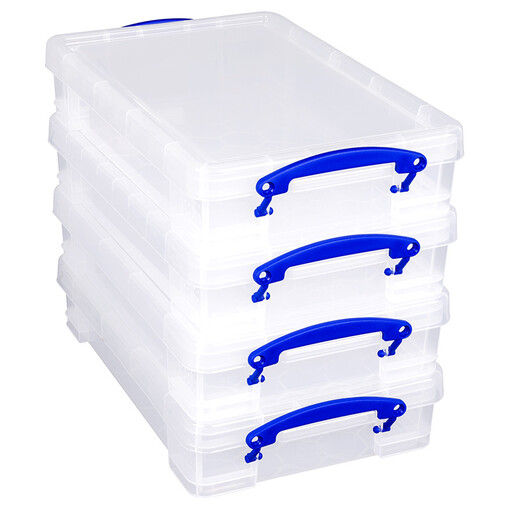
Why This Fits Their Persona: The four compact boxes suit renters, students and first-time organisers who need tidy storage for A4 paper, stationery, cables or craft supplies without committing to bulky containers.
The stated external dimensions are low-profile, making them easier to compare with desks, drawers and shelves before purchase.
Transparent polypropylene construction, secure clip-on lids and stacking with or without lids.
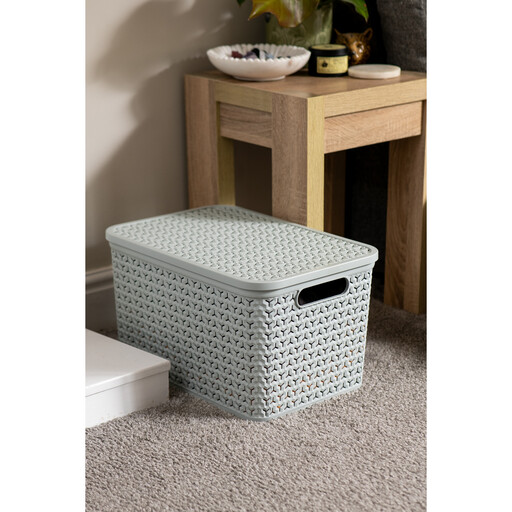
Why This Fits Their Persona: Its woven-effect appearance is suited to visible shelving in modern UK homes, while the 24L capacity accommodates towels, toys, cleaning supplies and general household items.
The product specifies its 24L capacity and dimensions, helping shoppers assess cupboard and shelf compatibility rather than relying on appearance alone.
Made from recycled plastic, with a lid, stackable format and wipe-clean surface.
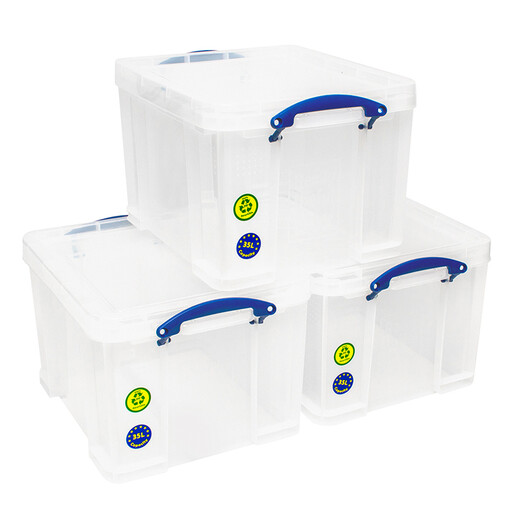
Why This Fits Their Persona: The 35L format is intended for larger household, office and garage storage needs, including seasonal clothing, A4 files, toys, tools and DIY equipment.
A reinforced base and secure lid with integrated bungee cord lock address sagging and loose-closure concerns, subject to sensible loading.
Three clear 35L boxes, recyclable polypropylene construction and a design intended for stacking.
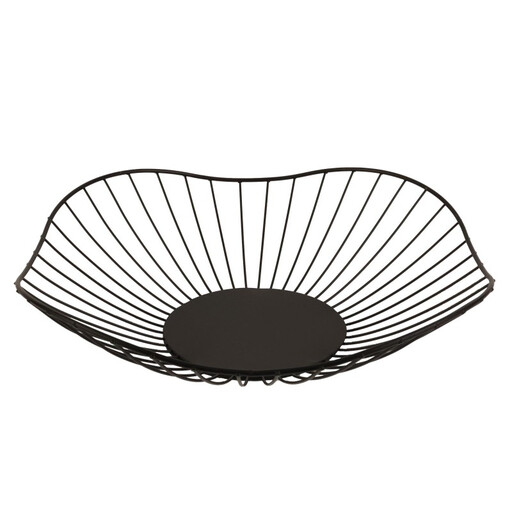
Why This Fits Their Persona: The foldable format suits smaller kitchens, flats and busy households that need a ventilated basket for produce but want to store it away when empty.
Its ventilated structure is designed for airflow, so it is not being presented as an airtight container or a substitute for sealed food storage.
Collapsible plastic construction, ventilated sides and no assembly requirement.
Keep plastic boxes away from open flames, high heat and prolonged direct sunlight. Clean them with a damp cloth unless the product information specifically confirms dishwasher suitability. Avoid sharp objects that could scratch or puncture the surface.
For garage storage containers, place heavier items at the bottom and check shelving limits before stacking. In offices, label clear boxes by category, such as stationery, invoices or cables. In children’s rooms, avoid placing heavy boxes where they could fall and ensure lids do not create a trapping hazard.
We have compiled a complete, real-time list of products that fully satisfy these strict selection criteria and UK safety regulations.
They can be suitable for clean, dry clothing when kept away from damp and excessive heat. Clear sides make contents easier to identify, but clothing should be fully dry before storage and the box should not be overloaded.
Lifespan depends on material thickness, loading, handling and exposure to heat or sunlight. Boxes with reinforced corners and bases may be more appropriate for repeated use, but no storage container should be overloaded or used after it becomes cracked or deformed.
It depends on the location and contents. A lidded basket helps reduce visible clutter and dust exposure, making it practical for bedrooms, bathrooms and offices. An open or ventilated basket is more suitable when frequent access or airflow matters, such as storing fruit and vegetables.