
24/7 Customer Support

Free returns

Same-day & Next-day Delivery

Quality Guaranteed

Unlock Your Welcome Offers: FREE Delivery | Up to 80% OFF | Free 30-day JoyPlus trial
Download the APP
Buying pliers and nippers can appear straightforward, but the wrong jaw shape, weak pivot or unsuitable cutting capacity can make a tool frustrating and unsafe to use. For UK shoppers, the main challenge is separating useful specifications from broad marketing language such as “heavy duty” or “professional quality”.
This guide explains which details matter for different jobs, from household repairs and electronics to tiling, leatherwork and jewellery making. It also clarifies a naming trap: some products use “Little Nippers” for cat and kitten toys, which are unrelated to hand tools.
Combination pliers are useful for general gripping and light cutting, but they are not a substitute for every specialised tool. Long-nose pliers reach narrow spaces, side cutters are designed for cutting and water pump pliers adjust to larger fittings. Using the wrong jaw can damage both the workpiece and the tool.
For fine jewellery or electronics work, oversized household pliers may lack the control required. For tiles or leather, ordinary gripping pliers will not provide the correct cutting or punching action.
A smooth or poorly shaped handle can become uncomfortable during repeated work. Look for non-slip grips, a suitable handle length and, where appropriate, spring-assisted opening. These features can make repetitive tasks easier to control, but they do not increase the tool’s safe capacity.
Terms such as “hardened steel” are less useful unless the product description identifies the construction or jaw treatment. Alloy steel, plated steel and tungsten carbide-tipped jaws each suit different tasks. Buyers should also check whether the pivot and cutting edges need cleaning or light oiling, particularly when tools are stored in a damp shed or garage.
Match the tool to the task:
For jewellery pliers, smooth jaws are important when working with delicate wire. Serrated jaws may grip more firmly but can leave marks.
A drop-forged alloy steel body is a useful feature for general hand-tool strength. A corrosion-resistant coating can help protect the surface, although tools still need to be dried after use.
For precision pliers, the WORKPRO set lists jaws hardened to HRC55–65. Rockwell hardness is a technical measurement of resistance to indentation; it is not a guarantee that the tool can cut every material. Always follow the stated use and avoid cutting hardened wire or materials beyond the tool’s capacity.
Tile nippers with tungsten carbide-tipped jaws are suited to small, controlled tile cuts. Leather punch pliers with plated steel construction and a brass pad are designed for punching rather than gripping or cutting.
Tool length affects access and leverage. A compact 210mm tile nipper is easier to manoeuvre around detailed tile work, while a 244mm water pump plier offers a larger adjustable gripping range than a small precision tool.
Before use, check:
Where relevant, check the product listing and packaging for applicable UKCA or CE marking information, manufacturer details and safety instructions. Marking alone does not make an unsuitable tool safe for a particular job.
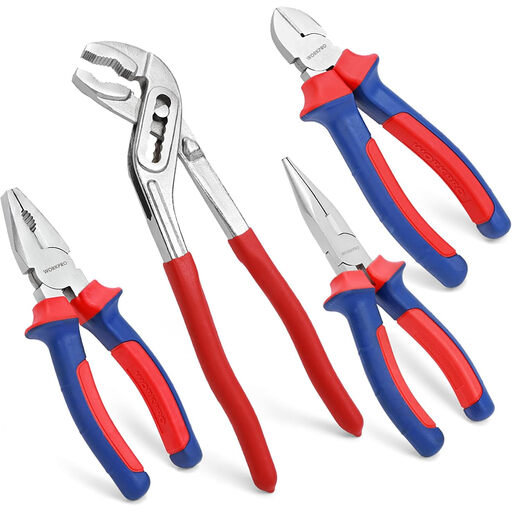
Why This Fits Their Persona: A practical starting point for UK households, flat-pack assembly, basic plumbing tasks and general DIY without buying each tool separately.
The four-piece format makes the intended uses clear, reducing the temptation to force one general-purpose pair into every job.
Includes combination, long-nose, side-cutting and water pump pliers, with PP and TPR resin handles and drop-forged alloy steel construction.
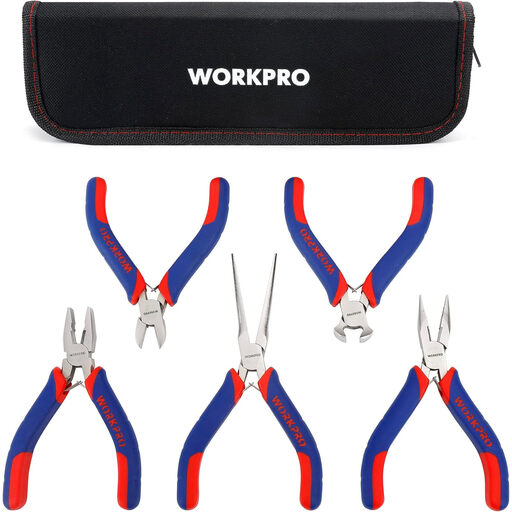
Why This Fits Their Persona: Suitable for jewellery makers, electronics hobbyists, model builders and crafters who need several compact jaw styles in a portable set.
The listing identifies five separate tools and their measurements, rather than relying only on a broad “multi-purpose” description.
Includes needle-nose, flat-nose, combination, front-cutting and side-cutting pliers, with HRC55–65 hardened jaws and a 600D nylon pouch.
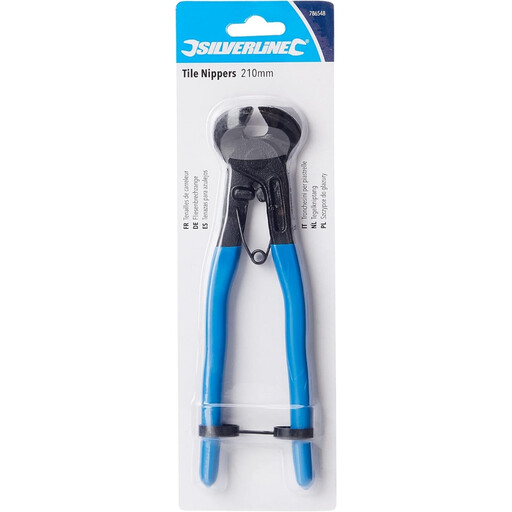
Why This Fits Their Persona: A focused option for tilers and DIY users making small, controlled adjustments to tile edges during detailed installation work.
It is clearly identified as a tile-specific tool, helping prevent the common mistake of using ordinary pliers for ceramic or similar tile work.
Features tungsten carbide-tipped jaws, sprung handles and a compact 210mm length for manoeuvrability.
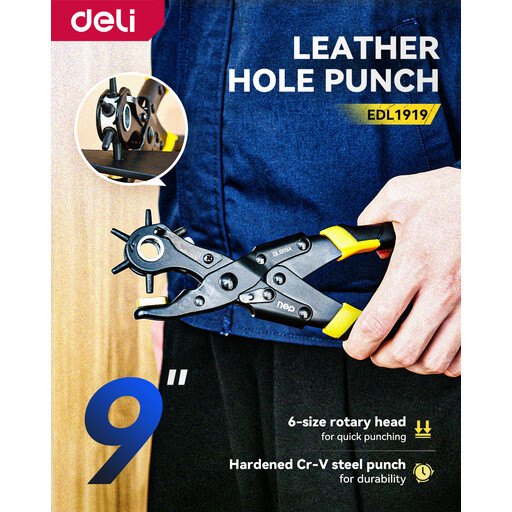
Why This Fits Their Persona: Designed for leatherworkers, repairers and makers who need repeatable round holes in materials such as leather, fabric, plastic and canvas.
The six punch-head sizes are listed individually, so buyers can compare the 2mm to 4.5mm range with their project requirements.
Uses a double-lever mechanism, padded non-slip handles, plated steel construction and a brass pad.
The product name Little Nippers also appears on pet products. The Rosewood Little Nippers Boggle Owl Cat and Kitten Toy is a compact soft plush toy for cats, while the Rosewood Little Nippers Mighty Mouse Kitten Toy is intended for kittens. These are cat toys, not cutting tools. Supervise play and remove either toy if stitching, filling or small parts become loose. Owners looking for interactive cat toys or small pet toys should check the recommended animal size and construction rather than searching by the tool meaning of “nippers”.
We have compiled a complete, real-time list of products that fully satisfy these strict selection criteria and UK safety regulations.
Wipe jaws and handles after use, remove tile dust or leather fibres and store tools in a dry location. Apply a small amount of light oil to pivots when recommended by the manufacturer. Do not leave cutting edges in contact with damp surfaces and replace tools with cracked handles, loose pivots or damaged jaws.
They overlap in appearance but have different purposes. Pliers primarily grip, bend or hold materials, while nippers are generally designed to cut, trim, punch or remove small sections. A product’s jaw shape and stated application matter more than the name alone.
No. Tile nippers are suited to small, controlled edge cuts and detailed shaping. A manual or powered tile cutter is generally more appropriate for long, straight cuts. Wear eye protection and gloves because tile edges and fragments can be sharp.
Start with the jobs you expect to perform. A household pliers set containing combination, long-nose, side-cutting and water pump pliers covers several common gripping, cutting and plumbing tasks. Check the tool dimensions, handle grip, material and safety guidance before purchase.