Portion-conscious lunch makers
If the plate already includes cheese, bread and pickle, measure the nuts before adding them rather than pouring from the packet.


A measured portion of nuts makes more sense than an unrestricted handful alongside the cheese and bread in a ploughman’s lunch. The British Heart Foundation puts 30g of nuts at 180–225kcal, depending on the type; for a smaller addition, Kent Community Health NHS Foundation Trust lists 12 almonds at approximately 80kcal. Check the pack’s serving size, salt and allergy information before choosing.
If the plate already includes cheese, bread and pickle, measure the nuts before adding them rather than pouring from the packet.
If you prefer not to add salted nuts to a lunch with cheese or pickle, compare the salt declaration and ingredients on the packs you are considering.
Check named nuts and allergy warnings on the actual packet, and consider whether whole nuts are appropriate for any young children being served.
Decide how much space nuts have in the lunch, then compare labels using the same quantity rather than relying on different packs’ serving sizes.
| Priority | What to check | Your needs |
|---|---|---|
| Portion | Compare kcal for the amount you intend to serve. Check per-100g figures when labelled servings differ, and count or weigh the portion before plating. | I want a little crunch alongside cheese and bread, not an unmeasured extra handful. The British Heart Foundation puts 30g of nuts at 180–225kcal, depending on the type. |
| Salt and coatings | Read the ingredients and salt declaration. Compare plain nuts with any salted, flavoured or coated alternatives using equivalent portions. | If the rest of my lunch includes salty ingredients, I may prefer nuts without added salt. The British Heart Foundation advises checking coatings when limiting added ingredients. |
| Allergens | Check the packet for named nuts, peanuts and cross-contact warnings; check the current pack again when switching products. | I need to know whether everyone sharing the lunch can have the particular product. The Food Standards Agency distinguishes peanuts, which are legumes, from tree nuts. |
| Nut format | Whole nuts can be counted; chopped nuts are more readily weighed. Consider the form before serving nuts to young children. | Counting might suit a small side portion, while I would weigh chopped nuts before adding them to salad. |
Even plain nuts contribute substantially to a lunch when the portion grows: the British Heart Foundation estimates 180–225kcal for 30g, depending on the nut.
Set a count or weight before serving, and compare kcal for equivalent quantities rather than differently sized labelled servings.
Nuts added beside the usual cheese and bread are an extra part of the meal, not a substitute for either.
Choose a smaller measured nut portion for crunch, or decide which other component to adjust if serving more nuts.
The British Heart Foundation notes that coatings can add calories, sugar and saturated fat; salted products also add salt.
Check the ingredient list and nutrition panel for the particular flavour, rather than assuming every roasted nut product is equivalent to plain nuts.
Mixed nuts can contain several named nuts, and a product can carry warnings about other allergens.
Read the ingredients and allergy statement on the packet you will serve, particularly when changing products.
Its two mixed-nut listings provide figures that can be compared on the same 25g basis.
Its Pistachio Nuts 100g listing offers a single-nut option to compare with mixed nuts.
M&S describes its natural-nut range as having nothing added.
KP Nut-Tastic Roasted Unsalted Nut Mix is a named option for shoppers looking at unsalted mixes.
These packs offer almonds, chopped mixed nuts and pistachios for adding a measured portion to a ploughman’s lunch. Check each pack’s current nutrition, salt and allergy information for the portion you plan to serve.
 No image available
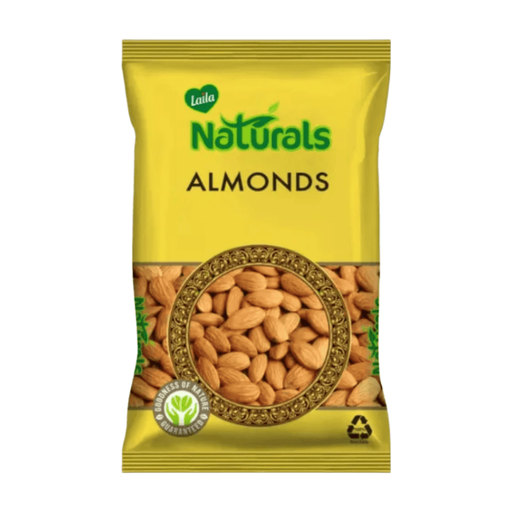
Almonds can be counted out for a small addition beside cheese and bread. Kent Community Health NHS Foundation Trust lists 12 almonds at approximately 80kcal as a general example; use this pack’s label to assess your portion.
 No image available
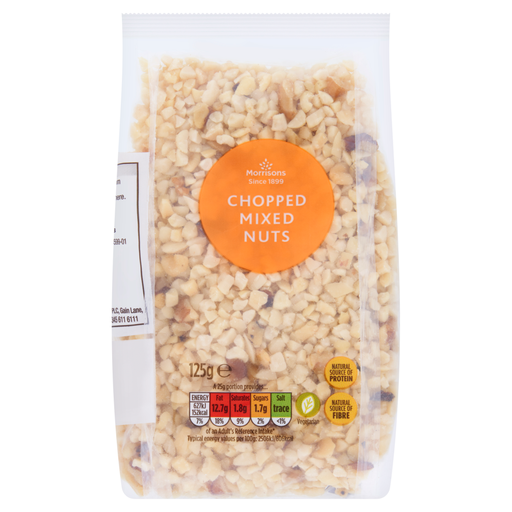
The chopped format can be sprinkled over the salad part of a ploughman’s lunch. Weigh a portion rather than applying a whole-nut count, and check the pack for its ingredients, allergens and nutrition.
 No image available
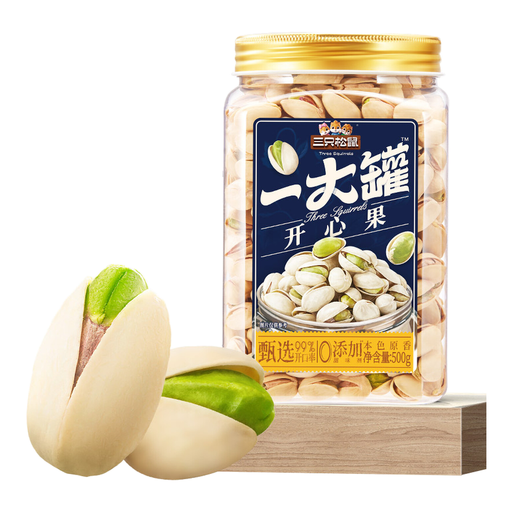
Pistachios offer a nut type that can be counted for a planned portion. Check this pack’s calorie and salt declarations before serving it alongside other salty lunch ingredients; do not apply another brand’s per-serving figure to this product.
 No image available
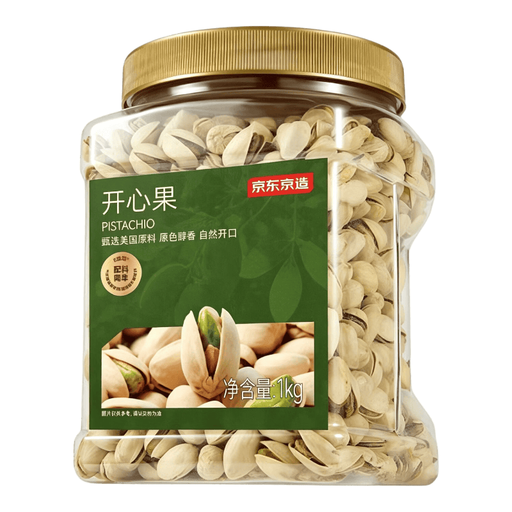
For this larger pistachio pack, set aside the portion intended for the lunch rather than serving from the box. Check the current pack’s salt, calorie and allergy information, particularly if limiting added salt.
Do not assume they are because the portion looks small. The British Heart Foundation estimates that 30g of nuts contains 180–225kcal, depending on the type, so measure the amount added to the plate.
Kent Community Health NHS Foundation Trust gives approximate examples of 12 almonds at 80kcal, 24 pistachios (15g) at 90kcal and 12 cashews at 90kcal. Values can differ between products, so check the pack you use.
If you want to avoid adding salt alongside cheese or pickle, compare unsalted packs and check their salt declarations. Also read the ingredients of flavoured or coated nuts: the British Heart Foundation notes that coatings can add calories, sugar and saturated fat.
No. The Food Standards Agency distinguishes peanuts, which are legumes, from tree nuts. Check both the named ingredients and any cross-contact warning on the particular packet before serving it to someone with a relevant allergy.
Whole nuts require a choking-safety check before serving them to young children. Consider who will eat the lunch and check the product’s packet warnings rather than assuming a whole-nut side is suitable for everyone.