If someone must avoid peanuts or tree nuts, choose a sealed crunchy alternative rather than another bag of nuts, and check its current pack against the exact allergens they avoid. If nuts are acceptable but another allergen is the concern, assess each nut product’s ingredients and precautionary statements individually. For an allergy-sensitive lunch, keep serving items separate and take account of retailers’ warnings about open-counter food.
Who is this for?
People avoiding peanuts or tree nuts
A different nut flavour is not a replacement for the allergen you need to avoid. GOV.UK allergen guidance identifies peanuts and tree nuts separately, so establish the person’s specific trigger before choosing a crunchy side.
Hosts serving guests with different requirements
Sealed, individually labelled sides make it easier to check each guest’s portion. Sainsbury’s and M&S warn about cross-contact risks in some open-food preparation areas; keep a suitable portion and its serving utensils separate from nut-containing food.
Nut eaters avoiding another allergen
Nuts may remain an option, but the flavouring and the exact pack matter. Tesco’s listing for KP Dry Roasted Peanuts, for example, declares peanuts and says the product may contain other nuts, milk, soya and gluten.
What should you check first?
Start with the allergen the diner avoids, then assess the exact pack and how the lunch will be served.
| Priority |
What to check |
Your needs |
| Exact allergen |
Identify whether the exclusion is peanuts, particular tree nuts or another ingredient. Read the current pack’s ingredients and highlighted allergens. |
I need a crunchy side that avoids the diner’s actual trigger, not simply a product described as “free from” something else. |
| Precautionary wording |
Read any “may contain” or similar statement as well as the ingredients. The Food Standards Agency explains that precautionary allergen labelling concerns possible unintended allergen presence. |
Where cross-contact matters, I need to assess that warning against the person’s allergy-management plan rather than treating it as an ingredient or ignoring it. |
| Pack or counter |
Check a sealed pack’s current label. For open-counter food, ask about allergens and consider the retailer’s cross-contact warning; Sainsbury’s and M&S identify risks in specified in-store preparation areas. |
For an allergy-sensitive portion, I’d rather check a labelled pack than assume an open bakery, deli or salad-bar item is suitable from its apparent ingredients. |
| Final serving check |
Recheck the exact pack, including precautionary advice, before serving. Keep suitable food and its utensils separate from items containing the excluded allergen. |
If I’m preparing lunch for several people, I need the checked side to remain identifiable and separate when it reaches the table. |
Common selection mistakes
-
Assuming any nut pack can be a free-from choice
A peanut product cannot replace peanuts for someone avoiding them. Tesco’s KP Dry Roasted Peanuts listing also carries a precautionary statement for other nuts, milk, soya and gluten.
Name the exact allergens to avoid first. If peanuts or tree nuts are excluded, look for a sealed alternative and check its own pack.
-
Ignoring a “may contain” statement
The Food Standards Agency describes precautionary allergen labelling as a warning about possible unintended presence, not as a recipe ingredient.
Read the ingredient list and the precautionary statement together. For a diagnosed allergy, follow the individual’s allergy-management plan rather than making a general safety assumption.
-
Judging open-counter food by its apparent ingredients
Sainsbury’s warns about cross-contamination in specified open-food departments, and M&S says its in-store preparation areas cannot guarantee allergen-free food.
For an allergy-sensitive portion, choose a currently labelled sealed item where appropriate, and use separate bowls and utensils when serving.
-
Relying on a filter or an old product listing
Sainsbury’s advises checking packaging even when using its allergen-specific lists. Tesco also warns that product information can change.
Check the exact pack before serving, including its ingredients and any precautionary or “not suitable” wording.
Brand and retailer references
These references can help you locate or assess products, but suitability rests on the current item and its label—not the brand name.
Sainsbury’s
Its own-brand allergen-specific lists can help narrow down packaged accompaniments for a ploughman’s lunch.
- Sainsbury’s says it updates the lists monthly and advises shoppers to check the packaging.
- It advises people with allergies to avoid products from specified open in-store food areas because of cross-contamination risk.
M&S
Its packaged-food allergen information is relevant when comparing sealed lunch additions.
- M&S describes highlighted allergens on packs and warnings where manufacturing could introduce an allergen.
- M&S says its in-store kitchens, bakeries, cafés and coffee shops handle major allergens and cannot guarantee allergen-free food.
Tesco
Product listings can help identify ingredients and allergy advice to check on a sealed grocery item.
- Tesco’s KP Dry Roasted Peanuts listing declares peanuts and a precautionary statement for other nuts, milk, soya and gluten.
- Tesco advises reading the product label rather than relying solely on website information, as products can be reformulated.
KP
KP peanut snacks are options only where peanuts are acceptable to the diner and the exact pack meets their other requirements.
- KP describes a range that includes salted and flavoured peanuts and nut mixes.
- Tesco’s listing for KP Dry Roasted Peanuts declares peanuts and says the product may contain other nuts, milk, soya and gluten.
Planters
Planters peanut products are not substitutes for someone avoiding peanuts.
- Planters’ US product information for Special Reserve Salted Peanuts lists peanuts, peanut oil and salt.
- That US product information does not establish the labelling of any UK-market pack; check the item being purchased.
Crunchy options on Joybuy
These pea snacks, crispbreads, chips, biscuits and crackers offer different crunchy additions to a ploughman’s lunch. Their product names alone do not establish suitability for a peanut, tree-nut or other allergy: check the current pack for each diner.
 No image available
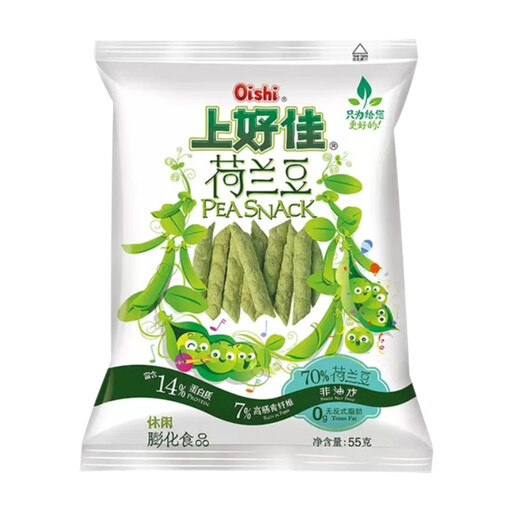
Oishi Pea Snack 55g
A pea snack to consider instead of serving a nut product. Check the exact pack’s ingredients and precautionary allergen wording before offering it to someone with an allergy.
View on Joybuy
 No image available
Schär Gluten Free Crispbread 150g
Crispbread is an option when you want a base for ploughman’s lunch accompaniments. The name identifies this 150g variant as gluten free; check its current pack separately for nuts and any other relevant allergen advice.
View on Joybuy
 No image available
Eat Real Tomato & Basil Hummus Chips 110g
Tomato and basil hummus chips offer a flavoured side rather than a nut snack. If celery is an allergen of concern, check the pack’s precautionary wording; check it for other relevant allergens too.
View on Joybuy
 No image available
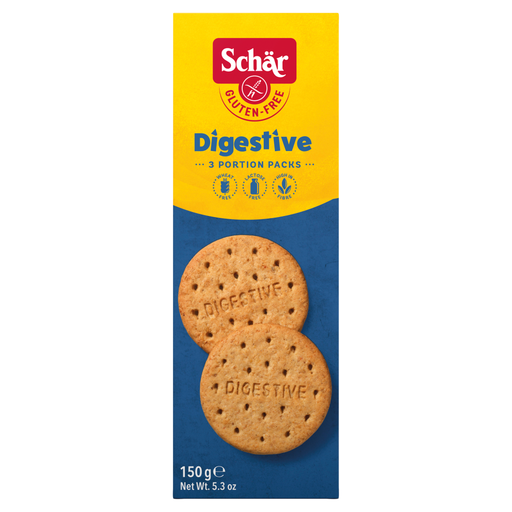
Schär Gluten Free Digestive Biscuits 150g
Digestive biscuits are worth considering if a biscuit suits the lunch better than a savoury cracker. The name identifies this 150g variant as gluten free; check the pack for nut advice and, if relevant, precautionary wording about lupin.
View on Joybuy
 No image available
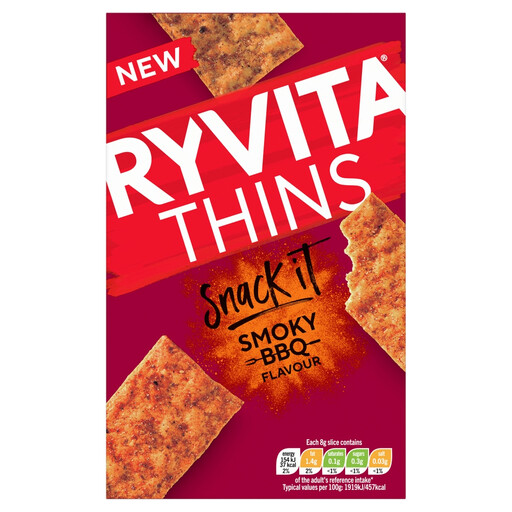
Ryvita Snack It Thins Smoky BBQ Flavour 125g
A smoky-flavoured cracker option for a savoury side. If avoiding gluten, check the pack’s ingredients for wheat, rye and barley; also check its nut and sesame advice where either matters to the diner.
View on Joybuy
Questions about allergens and serving
Are peanuts and tree nuts the same allergen?
No. GOV.UK allergen guidance lists peanuts and tree nuts separately. Choose a ploughman’s lunch side according to the individual’s actual allergy requirements rather than assuming that avoiding one category automatically settles the other.
Does “may contain” mean the allergen is an ingredient?
No. The Food Standards Agency explains that precautionary allergen labelling communicates possible unintended presence, such as through cross-contact. Read it alongside the ingredients and apply the individual’s allergy-management plan.
Is a supermarket’s nut-free filter enough to choose a lunch side?
Use a filter to find candidates, then check the physical pack. Sainsbury’s advises checking packaging alongside its allergen-specific lists, and Tesco warns that products can be reformulated.
Can I use a bakery or deli item if its ingredients look suitable?
Do not judge it from apparent ingredients alone. Sainsbury’s advises people with allergies to avoid products from specified open-food departments because of cross-contamination risk. Ask the retailer about the particular item and handling conditions before deciding what to serve.


