What matters when choosing a monitor?
Decide whether you need a reading for one device, a total for a connected setup, or monitoring and control over time. A smart-meter in-home display serves a different purpose: Citizens Advice describes using it to watch household use change as appliances are switched on one by one.
| Concern |
What to check |
Who this matters to |
| One appliance’s use |
Confirm the three-pronged UK plug format and the monitor’s rated load. |
If I want to investigate one computer, screen or appliance, I need its plug-through reading rather than a change in the household total. About 40% of consumers put that direct, single-device reading first. |
| A connected setup |
Check both the extension lead’s marked current limit and the monitor’s rating; expect a combined reading. |
For a desk or entertainment setup, I may want one figure for everything connected while keeping the lead within its limit. Measuring that grouped load is the primary need for about 30% of consumers. |
| Monitoring over time |
Confirm energy monitoring, usage-history features and any app or firmware requirements on the exact smart plug. |
If I plan to revisit usage in an app and switch a compatible device remotely, a reading on a meter screen alone will not meet my aim. Ongoing visibility and control come first for about 30% of consumers. |
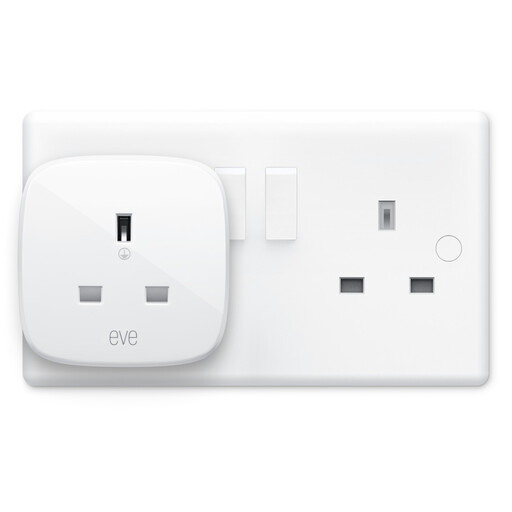
A Joybuy smart plug for ongoing monitoring
This smart plug is relevant if you want to monitor a compatible UK-plug device and also value remote control. Check its smart-home requirements against your existing setup.
 No image available
Eve Energy Matter Smart Plug with Power Meter, UK Type G
For monitoring and remotely switching a compatible plugged-in device. The product title specifies a UK Type G plug, energy monitoring and Thread technology. Full Matter and Thread functionality requires a compatible Matter controller and Thread Border Router; the listing specifies indoor use only. If connecting an extension lead, check its marked limit against the combined load.
Joybuy
Questions about monitoring household electronics
Do plug-in monitors, smart plugs and smart-meter displays measure the same thing?
No. A plug-in monitor measures the load connected through it, while an energy-monitoring smart plug provides plug-level information where that feature is specified. An in-home display shows use associated with the household smart meter; Citizens Advice suggests switching appliances on one by one to investigate changes.
Can I measure a PC and several screens through one extension lead?
Yes, a plug-in monitor can show their combined use when they are connected through one suitable extension lead. Check the lead’s marked current limit and the monitor’s rating against the connected load. Electrical Safety First advises against overloading or daisy-chaining extension leads; a combined reading will not separate the PC from each screen.
Which load limit should I check?
Check the exact monitor or smart plug and any extension lead used with it; do not assume they share a limit. Energenie rates its ENER007 meter at 13A and 3120W, but that figure does not establish the rating of another product or lead.
Will monitoring lower my electricity bill on its own?
No. Monitoring can help you identify where electricity is used, but any change in consumption depends on what you do with that information. Citizens Advice likewise notes that a smart meter does not automatically save money.


