
24/7 Customer Support

Free returns

Same-day & Next-day Delivery

Quality Guaranteed

Unlock Your Welcome Offers: FREE Delivery | Up to 80% OFF | Free 30-day JoyPlus trial
Download the APP
A plumping lip gloss can add reflective shine, colour and a fuller-looking appearance, but the right choice depends on more than a glossy product photo. Some formulas feel tacky, some rely on a strong tingling sensation, and others offer attractive colour but little staying power.
For UK shoppers, the main challenge is separating a comfortable everyday gloss from a product that looks appealing online but does not suit dry or sensitive lips. This guide explains the practical specifications to check, common buying traps and which formulas may match different routines.
A lip plumper generally creates the appearance of fuller lips through shine, smoothing, tint or a cooling sensation. It does not replace cosmetic procedures, and claims about permanent volume should be treated cautiously. A high-shine lip gloss can reflect light across the centre of the lips, making the contours look more defined without changing lip structure.
Look for wording such as “fuller-looking” or “plumping effect” rather than assuming the product will deliver a lasting physical change.
Cooling or tingling ingredients, including menthyl lactate, are common in a glossy lip plumper. The sensation may be comfortable for some users but too intense for others, particularly those with sensitive, chapped or irritated lips.
A stronger sensation is not a reliable measure of performance. Always check the ingredient list and follow the product warning. Do not apply plumper to broken skin, and stop using it if redness, swelling, itching or discomfort develops.
Texture is subjective, and a formula that feels cushiony to one person may feel heavy to another. Glosses containing oils, emollients or film-forming ingredients can provide shine and comfort, but may still transfer onto cups or hair.
If you dislike tackiness, consider a non-sticky lip gloss or a lip oil-style product. Product descriptions can guide your choice, but the ingredient list and application instructions provide more useful information than promotional wording alone.
A hydrating lip gloss may include ingredients such as sodium hyaluronate, commonly used in a hyaluronic acid lip gloss, alongside oils, glycerin or conditioning emollients. Maybelline Lifter Gloss products, for example, list sodium hyaluronate and are supplied in 5.4ml formats. Some shades are also described as allergy-tested and dermatologist-tested by the brand.
These features can help you identify a comfort-focused formula, but they are not a guarantee that every user will tolerate it. Fragrance, flavouring, mint-derived ingredients and colourants may be relevant if your lips are easily irritated. Read the current packaging before purchase, as ingredients can change.
Choose the finish according to how you plan to wear it:
For daily commuting, office wear or applying makeup on public transport, a wide or easy-to-control applicator can make a noticeable difference. An XL wand may cover the lips quickly, while a silicone tip can be easier to wipe clean.
A standard gloss normally needs refreshing after eating, drinking or frequent lip contact. A long-lasting lip stain can provide a colour base, but it may feel less forgiving during application. Peel-off products also require a short setting period.
For example, the JUDYDOLL duo instructions specify leaving the stain for around three minutes before peeling, then applying the accompanying lip oil. This is more suitable for users who can allow time for application than for a quick one-minute touch-up.
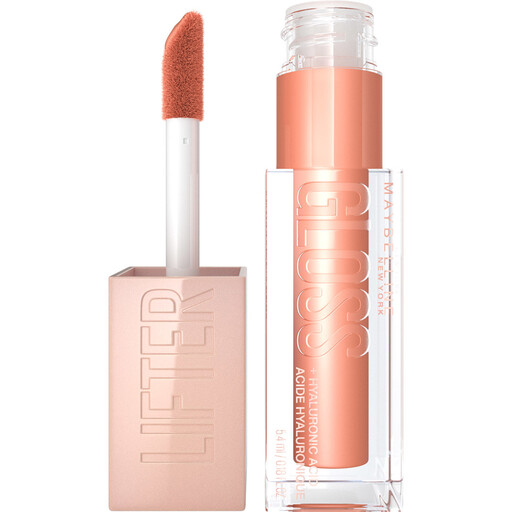
Why This Fits Their Persona: A straightforward option for someone building an everyday makeup bag and wanting hydration, tint and shine in one product. Amber is a versatile warm shade for casual UK daytime wear.
The listed non-sticky formula and hyaluronic acid-derived sodium hyaluronate address two common concerns: tackiness and a dry-looking surface. The fuller look is presented as a visible effect, not a permanent change.
5.4ml size; XL wand; high-shine finish; available in wearable nude and pink shades.
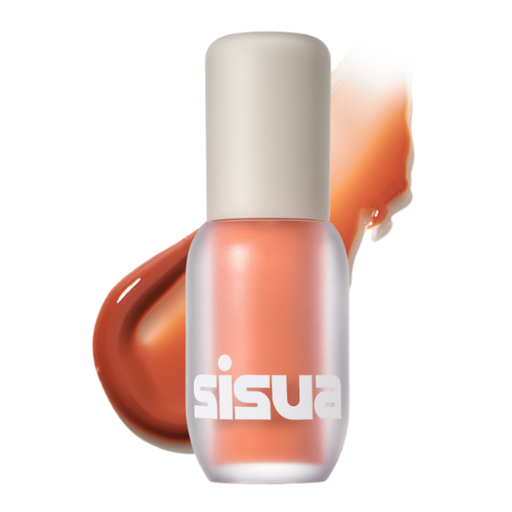
Why This Fits Their Persona: Suitable for shoppers who prioritise a polished, sparkly finish and a more distinctive shade. Mango Caramel brings warm colour to evening makeup or a sun-kissed daytime look.
The product information clearly describes a mild minty cooling sensation, so users can decide whether that feel suits them rather than mistaking it for a performance guarantee.
Jojoba seed oil, peptides and pomegranate flower extract are listed; thick silicone applicator; high-shine sparkly finish.
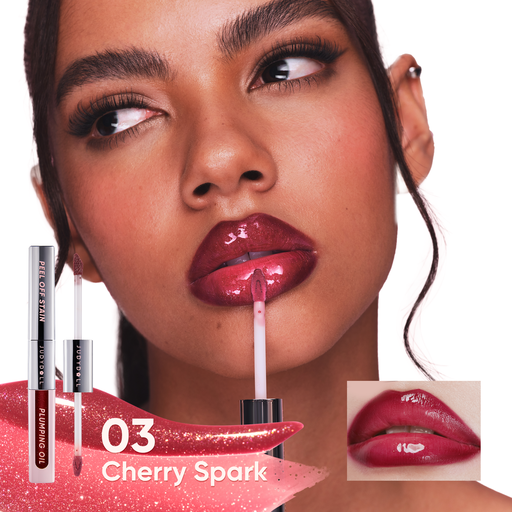
Why This Fits Their Persona: A practical match for long days, events or users who want colour underneath a glossy lip oil. The two-step format offers a stain-first routine followed by shine.
It separates the lasting-colour step from the glossy layer, so shine can be refreshed without necessarily reapplying the stain. Allow around three minutes for the peel-off stage.
Stain and lip oil in one duo; product information states waterproof and smudge-proof stain properties; cooling mint and tripeptide complex are listed.
We have compiled a complete, real-time list of products that fully satisfy these strict selection criteria and UK safety regulations.
Wear time depends on the formula, eating, drinking and lip contact. Gloss normally needs reapplication to maintain shine, while a peel-off stain may leave colour behind after the oil layer fades. Treat stated wear times as product-specific information rather than a guarantee for every user.
A lip plumper with hyaluronic acid may appeal to users seeking a smoother, hydrated-looking finish, particularly when the formula also contains conditioning ingredients. However, sensitivity varies. Check the full ingredient list, avoid damaged lips and discontinue use if irritation occurs.
A lip oil generally focuses on a lightweight conditioning feel with a soft sheen, while gloss prioritises shine and may offer more noticeable colour or reflective coverage. Some products combine both functions, such as a peel-off stain topped with a plumping lip oil. Choose according to whether hydration, colour retention or shine is most important for your routine.