
24/7 Customer Support

Free returns

Same-day & Next-day Delivery

Quality Guaranteed

Unlock Your Welcome Offers: FREE Delivery | Up to 80% OFF | Free 30-day JoyPlus trial
Download the APP
Glare from wet roads, car windows and waterways can make a long ride uncomfortable, while a poor-fitting pair of sunglasses may slip, fog or create pressure points within minutes. For road cyclists, mountain bikers and outdoor sports enthusiasts, polarised cycling sunglasses can be a practical way to reduce reflected glare—but only when the lenses, frame and fit match the riding conditions.
The product description alone does not tell the whole story. Shiny mirror coatings, phrases such as “HD vision” and very low prices can distract from details that affect everyday usability. Before buying, check these common pitfalls.
A coloured or reflective lens surface does not automatically mean the lens is polarised. Mirror coatings mainly affect the appearance and the amount of light reflected from the lens, whereas polarisation is intended to reduce certain reflected glare patterns.
Look for a clear specification such as TAC polarised lenses or HD TAC polarised lenses, rather than relying on a coloured lens or marketing photograph. Also check the stated visible light transmission (VLT). A lens with approximately 15.2% VLT, for example, is designed for bright conditions and may feel too dark for heavily overcast rides, woodland trails or dusk.
A listing may mention UV protection without clearly stating the level. For prolonged outdoor use, look for UV400 cycling glasses or an equivalent specification that identifies UVA and UVB coverage.
Do not assume that UV protection means the glasses are impact-rated. UV filtering and impact resistance are separate properties. Cyclists should check whether the product provides a stated performance standard, such as ANSI Z87.1, and review the seller’s UK compliance and usage information before purchase.
Even lightweight cycling sunglasses can become irritating if the nose pads press unevenly or the temples move under a helmet. Fixed pads may also be unsuitable for different nose bridges.
Useful features include adjustable silicone nose pads, anti-slip temple sections and a flexible frame. These details help keep the glasses positioned when looking over a shoulder, riding on uneven ground or sweating during a climb.
For bright road rides, HD TAC polarised lenses can help reduce distracting reflections from tarmac, puddles, vehicles and water. TAC refers to a layered lens construction commonly used for polarised sports eyewear. The practical question is whether the stated VLT suits your usual route and weather.
A darker lens can be comfortable in strong sunshine, but it is not automatically suitable for every UK riding condition. If you regularly leave early, ride through shaded lanes or continue after sunset, consider whether you need a lighter or interchangeable lens option instead.
Choose UV400 cycling glasses when ultraviolet protection is a priority, and confirm whether the specification states protection against both UVA and UVB rays. For cycling, impact resistance is also relevant because of stones, branches and accidental drops.
ANSI Z87.1 cycling glasses have been tested against a defined impact-resistance performance standard. ANSI is a US standard, so it should not be treated as a replacement for checking the product’s UK labelling, safety information and intended use. It is, however, a more useful specification than an unqualified claim of “strong lenses”.
TR90 sports sunglasses use a thermoplastic frame material valued for flexibility and low weight. Weight alone does not determine comfort, but a pair weighing approximately 33 g may create less pressure during a long ride than a heavier frame.
For secure positioning, look for anti-slip cycling glasses with adjustable silicone nose pads and grippy temple sections. Water- and oil-repellent lenses can also make it easier to remove rain spots, fingerprints and road grime. These coatings do not make lenses scratch-proof, so proper cleaning and storage remain important.
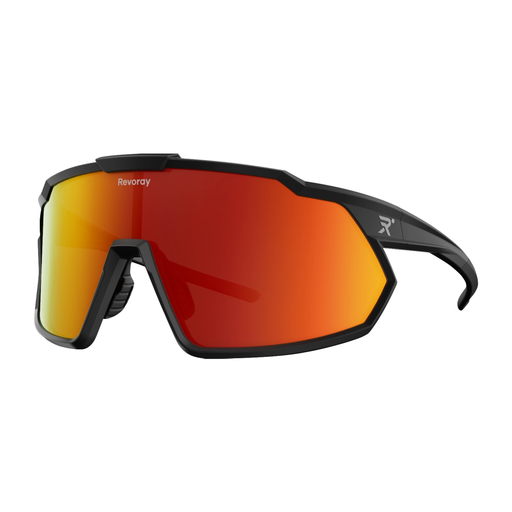
Why This Fits Their Persona: A practical option for riders starting road cycling or occasional weekend outings in bright UK conditions, with core glare, UV and fit features included.
The listing specifies HD TAC polarised lenses, approximately 15.2% VLT, UV400 protection and ANSI Z87.1 performance, rather than relying only on appearance-led claims.
33 g TR90 frame; adjustable anti-slip silicone nose pads; water- and oil-repellent lens coating.
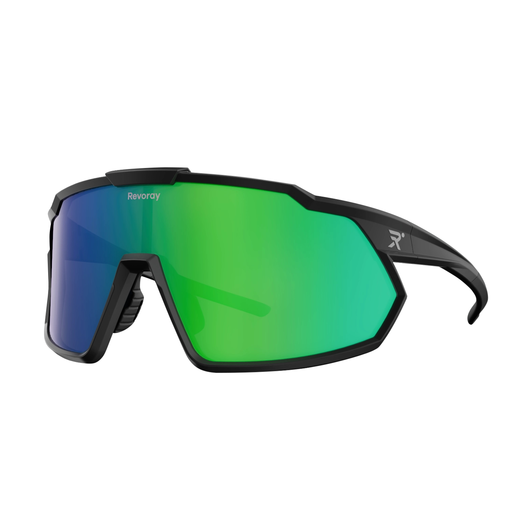
Why This Fits Their Persona: Suits regular cyclists who want a lightweight frame, defined lens specifications and surface coatings for repeated use in changing outdoor conditions.
The product information separates polarisation, UV400 protection, impact-resistance performance and coatings, helping you compare like-for-like specifications.
TR90 frame designed for flexibility and stability; scratch-resistant, water- and oil-repellent coatings.
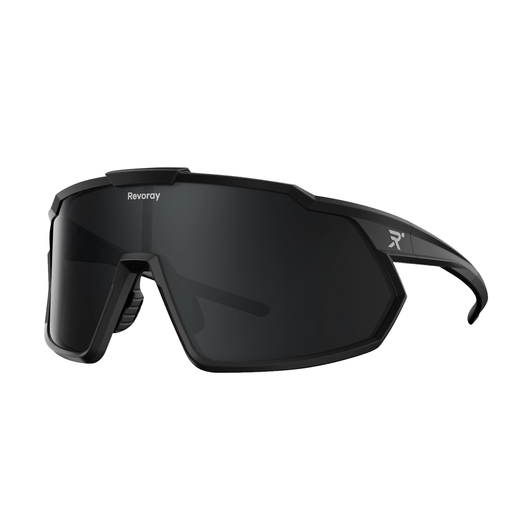
Why This Fits Their Persona: A functional match for frequent road cyclists and mountain bikers who need secure positioning, low weight and lens protection across longer or rougher rides.
The adjustable nose pads and anti-slip design address movement-related slipping, while the stated ANSI Z87.1 performance standard provides a clearer impact specification.
Approx. 33 g total weight; flexible TR90 construction; UV400 protection and multi-layer lens coatings.
We have compiled a complete, real-time list of products that fully satisfy these strict selection criteria and UK safety regulations.
A one-year limited warranty is included with the listed Revoray variants for eligible non-user-caused quality issues. Check the individual product page for the applicable terms.
They are generally more useful in bright conditions with reflected glare, such as sunny road rides or routes beside water. A lens with approximately 15.2% VLT may be less suitable for dark lanes, dense woodland, heavy cloud or dusk. Riders who face varied light should consider a lighter lens or a separate pair for low-light conditions.
Yes, but the fit should be checked together. The temples should sit comfortably beneath the helmet straps without creating pressure, and the nose pads should keep the frame stable when you turn your head. Adjustable anti-slip components can make positioning easier, although compatibility depends on the individual helmet and face shape.
There is no fixed lifespan. Service life depends on riding frequency, storage, cleaning and exposure to impacts. Coatings may wear over time if the lenses are wiped when dusty or cleaned with unsuitable chemicals. Replace the glasses when scratches obstruct your view, the frame is damaged or the fit becomes unreliable.