
24/7 Customer Support

Free returns

Same-day & Next-day Delivery

Quality Guaranteed

Unlock Your Welcome Offers: FREE Delivery | Up to 80% OFF | Free 30-day JoyPlus trial
Download the APP
For any serious cyclist in the UK, a good pair of sunglasses is non-negotiable. Yet, the market is flooded with options that promise everything but often deliver disappointment. Many riders find their expensive new glasses are uncomfortable on long rides, offer poor visual clarity or worse, provide inadequate protection. Choosing the right pair of polarised cycling sunglasses isn't just about style; it's about performance, comfort and safety.
Before you make a purchase, it's crucial to understand the common pitfalls. Many brands use "polarised" as a buzzword, but not all polarised lenses are created equal. Similarly, claims of "ultra-lightweight" can sometimes mask a flimsy construction that won't survive the demands of the road. Here are two key issues to watch for:
To avoid these issues, focus on the technical specifications that directly impact performance and safety. When analysing your options, prioritise these three core parameters.
The primary function of anti-glare sunglasses for cycling is to improve your vision. A quality polarised lens filters out horizontal light waves, which are the primary cause of glare from flat surfaces. This reduces squinting and enhances contrast, allowing you to spot potholes or road debris more easily.
Beyond polarisation, look for a UV400 protection rating. This is a non-negotiable standard which indicates the lenses block 100% of harmful UVA and UVB rays, protecting your eyes during long hours of sun exposure. The lens material itself is also important. TAC (Triacetate Cellulose) is a common choice for polarised lenses, offering good clarity and scratch resistance.
For sports eyewear, the frame must be both lightweight and robust. This is where TR90 cycling glasses excel. TR90 is a thermoplastic material known for its incredible flexibility, durability and low weight. Unlike rigid plastics, a TR90 frame can bend under pressure without breaking and will retain its shape over time. This flexibility allows it to fit a wider range of face shapes comfortably and securely, which is essential for lightweight sports sunglasses that you'll be wearing for hours.
Whether you're on a quiet country lane or a busy urban route, your eyes are vulnerable to kicked-up gravel, insects and other debris. Standard fashion sunglasses offer little to no impact protection. For genuine peace of mind, look for eyewear that meets a recognised safety standard. For example, ANSI Z87.1 safety sunglasses have been verified to withstand specific impact levels, providing a crucial layer of protection for your eyes. This is a feature often found in high-performance road cycling sunglasses and is a worthwhile investment for any serious rider.
Based on these practical criteria, we've identified several options suited to different types of cyclists and outdoor enthusiasts.

Why This Fits Their Persona: This user prioritises visual clarity, a secure fit during high-intensity rides and proven protection. These glasses are built for long days in the saddle, where reducing glare from the road is paramount for both performance and safety.
It combines a flexible, durable TR90 frame with HD TAC polarised lenses, avoiding the trap of being flimsy or offering poor optics. The ANSI Z87.1 certification confirms its impact resistance.
Features adjustable non-slip nose pads and temples for a custom, stable fit. The lenses also have water- and oil-repellent coatings, making them easier to clean on the go.
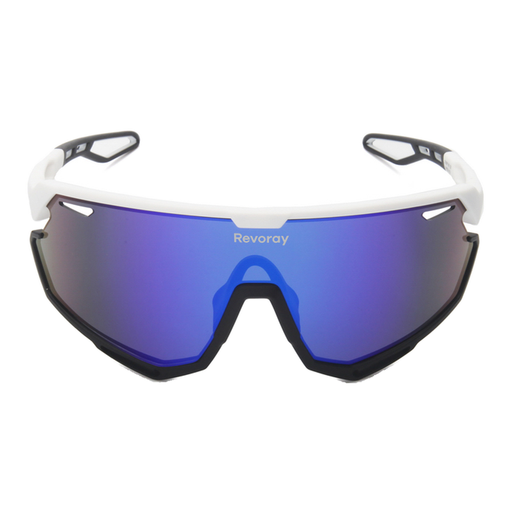
Why This Fits Their Persona: This user needs a single pair of sunglasses for cycling, hiking and running. Their priority is maximum durability and a wide, unobstructed field of view for navigating varied terrain. Aerodynamics and impact protection are key.
Instead of a flimsy frame, it uses a robust TR90 construction. The focus is on durability with a high-strength, one-piece PC lens, which is known for its superior impact resistance compared to other materials.
The aerodynamic, streamlined design reduces wind resistance at speed, while the large, one-piece lens provides an exceptionally wide and clear field of view, ideal for situational awareness.
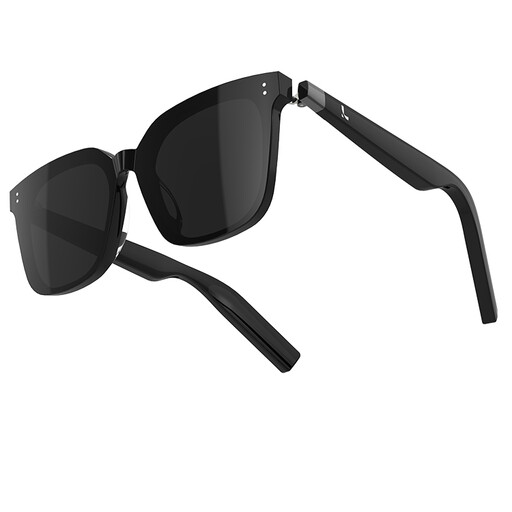
Why This Fits Their Persona: This rider uses their bike for commuting and leisure, valuing convenience and technology. They want hands-free calls, music and navigation prompts without compromising on basic eye protection and style.
While many smart glasses are bulky or fragile, these use a lightweight TR90 temple material for durability. They integrate technology without sacrificing the fundamental requirements of a functional pair of sunglasses, including UV protection.
Offers a unique combination of features including open-ear audio for music and calls, AI assistance and real-time translation, all while providing sun protection for daily use.
We have compiled a complete, real-time list of products that fully satisfy these strict selection criteria and UK safety regulations.
For most road cycling, yes. Polarised lenses are excellent at cutting glare from wet roads, car windscreens and other flat, reflective surfaces, which reduces eye fatigue and improves safety. However, some cyclists find they can make it harder to spot slick, icy patches or to read LCD screens on cycling computers or smartphones. For most UK conditions, the benefits of glare reduction outweigh the drawbacks.
Look for a label or marking that explicitly states UV400 or "100% UVA/UVB protection". This is the industry standard that ensures the lenses block all light rays with wavelengths up to 400 nanometres. A dark tint does not guarantee UV protection, so always check for this specific rating.
TR90 is a high-performance thermoplastic material. It is highly valued for sports eyewear because it is incredibly durable, flexible and lightweight. Unlike standard plastic frames that can snap under stress or become brittle, a TR90 frame can bend and return to its original shape. This makes it more comfortable for long-term wear and far more resilient to the drops and impacts that are common with active use.