
24/7 Customer Support

Free returns

Same-day & Next-day Delivery

Quality Guaranteed

Unlock Your Welcome Offers: FREE Delivery | Up to 80% OFF | Free 30-day JoyPlus trial
Download the APP
A polish spray can make routine cleaning quicker, but choosing the wrong formula may leave streaks, residue or an unsuitable finish. UK households also need to consider where a product can safely be used, how it should be applied and whether an aerosol creates additional storage requirements.
The most common buying pitfalls are not always obvious:
Start by identifying the material and finish. Sealed wood furniture, interior doors, panelling and some wooden floors may accept a wood furniture polish, while unsealed wood can absorb liquid or wax unevenly. Antique, French-polished and damaged finishes may also require specialist care.
For vehicles, select a dedicated car wax spray or car polish intended for exterior paintwork. A multi-surface household spray is not automatically suitable for clear coats, metallic paint or plastic trim.
For floors, check whether the product is intended for sealed wood, laminate, tile, vinyl or marble. Avoid applying a furniture spray to a floor unless the label specifically allows it, as the residue may increase slip risk.
A spray can contain waxes, oils, polymers, silicones, water or solvents. These ingredients affect how the product looks and behaves:
Look for practical details such as whether the product leaves a waxy build-up, requires buffing, or should be sprayed onto a cloth rather than directly onto the surface.
A trigger bottle may be convenient for targeted application, while an aerosol can distribute a fine, even layer over larger areas. Aerosols containing flammable contents must be stored away from heat, sparks, open flames and temperatures above 50°C, in line with the product warning.
For occasional furniture care, a 225ml or 250ml can may be sufficient. Commercial users or larger homes may prefer a 400ml or multi-pack format. Car owners should also consider whether a product works during the drying stage, needs rinsing or requires a separate cloth.
Always read the label, ventilate the area where appropriate and test an unfamiliar or old finish in an inconspicuous place.
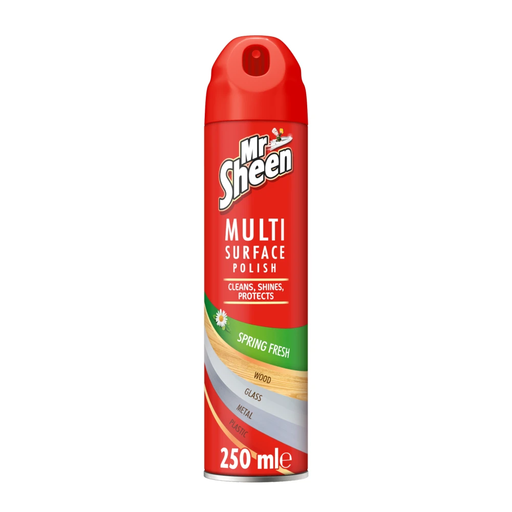
Why This Fits Their Persona: A practical option for households that want one spray for routine care across suitable wood, glass, metal and plastic surfaces.
Its stated multi-surface purpose is clearer than buying a dedicated wood product for every hard surface. Users should still follow the label and test unfamiliar finishes.
Dust-trapping design; 250ml aerosol format; leaves a spring fragrance after use.
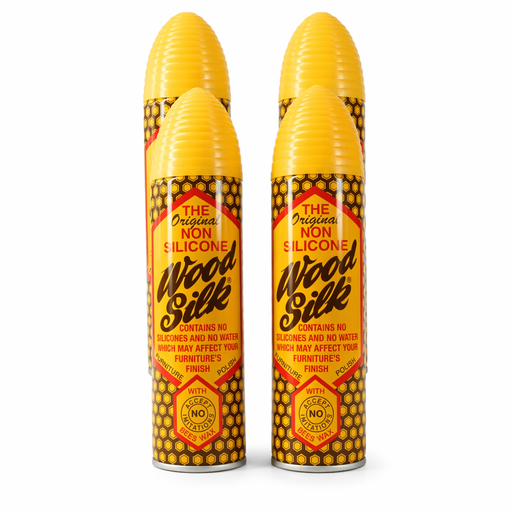
Why This Fits Their Persona: Suitable for people maintaining several pieces of sealed solid or reproduction wood furniture, doors, panelling or wooden block floors.
The silicone- and water-free formula is positioned for users concerned about hazing or water spotting. It is not intended for unsealed wood.
Contains beeswax and nutrient oils; compatible with gloss, satin and matt wood finishes when the label permits.
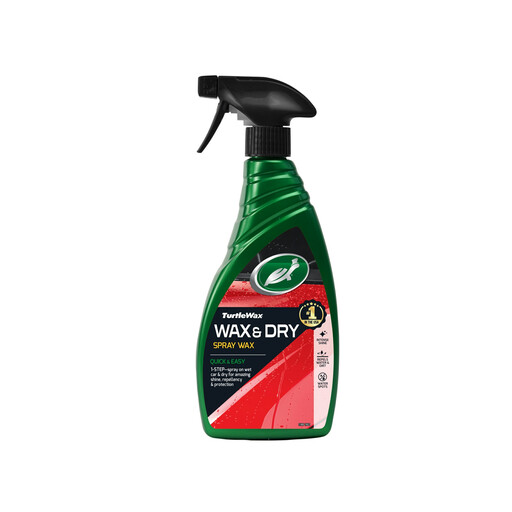
Why This Fits Their Persona: Designed for UK drivers who want to combine drying and waxing after washing the car.
The instructions specify use on a freshly washed, wet vehicle, reducing the risk of using a dry-surface product incorrectly.
500ml spray format; contains carnauba wax and protective polymers; intended for exterior vehicle surfaces.
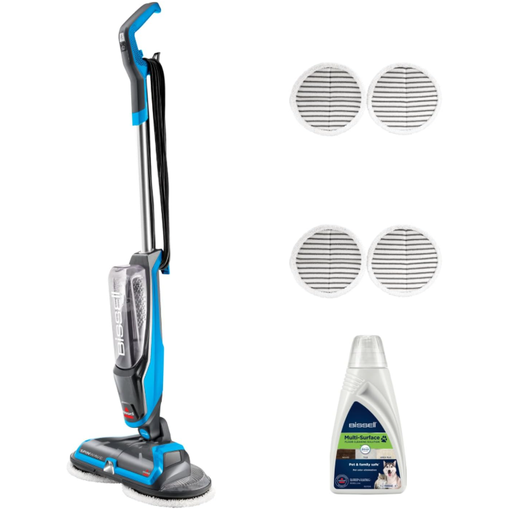
Why This Fits Their Persona: A floor-care system for busy households, workplaces and users who need more than a handheld polish spray.
It is specifically designed for sealed hard floors rather than relying on a general furniture polish. Do not use it on unsealed wood or unglazed ceramic.
Dual rotating pads; on-demand spray control; suitable for sealed wood, laminate, tile and vinyl floors.
We have compiled a complete, real-time list of products that fully satisfy these strict selection criteria and UK safety regulations.
Usually, no. A furniture polish spray is formulated for household materials and may not be suitable for automotive clear coats. Use a dedicated car polish, car wax spray or spray wax whose instructions specifically cover exterior vehicle paintwork.
There is no universal schedule. Use it when the surface looks dusty, dull or marked, while following the product label. Frequent heavy application can create residue, so a light spray and thorough buffing are generally more practical than repeatedly saturating the surface.
It can reduce application time and may require less equipment, but running cost depends on coverage, frequency and the amount sprayed per panel. Compare the container size, application method and whether the product combines cleaning, drying and waxing before deciding on overall value.