
24/7 Customer Support

Free returns

Same-day & Next-day Delivery

Quality Guaranteed

Unlock Your Welcome Offers: FREE Delivery | Up to 80% OFF | Free 30-day JoyPlus trial
Download the APP
Planning a garden party, a family barbecue or setting up a stall at a local market can be a joy, but the unpredictable British weather often adds a layer of uncertainty. A reliable outdoor shelter is essential, providing shade from the sun and a dry refuge from sudden downpours. But with so many options available, from a simple garden canopy to a heavy duty gazebo, choosing the right one can feel overwhelming.
This guide is designed to help you navigate the choices. We will outline the key features to look for and present a few carefully selected options to help you find a shelter that suits your specific needs for your next outdoor event.
Making an informed decision starts with understanding the key features that separate a flimsy, single-use shelter from a durable, long-lasting one. Here are a few practical points to consider.
Not all gazebos are created equal when it comes to weather protection. For UK conditions, a waterproof gazebo is a must. Look for materials like 420D Oxford fabric, which offers good water resistance. Some products may also specify a hydrostatic head rating, which measures how waterproof the fabric is. Additionally, consider UV protection. A canopy with a UPF (Ultraviolet Protection Factor) rating, such as UPF 50+, will help shield you and your guests from the sun's harmful rays.
The frame is the backbone of your gazebo. A heavy duty gazebo will typically feature a powder-coated steel frame, which offers both strength and resistance to rust. While aluminium frames are lighter, steel provides superior stability, especially in breezy conditions. For any pop up gazebo, it is crucial to secure it properly. Look for models that include leg weights, guy ropes and ground pegs to ensure your shelter stays put. This is particularly important if you plan to use it as a party tent where safety is paramount.
The most common size for a portable gazebo is 3x3m, offering ample space for a small group of people, a dining set or a market stall. If you need to transport your shelter frequently, check that it comes with a dedicated storage or carry bag. The 'pop-up' mechanism itself is a key feature, allowing for assembly in minutes without the need for tools. For those needing a more permanent or larger solution, fixed pergolas offer a more integrated and robust alternative.
Here are a few recommendations that cater to different outdoor needs, from temporary events to more permanent garden fixtures.
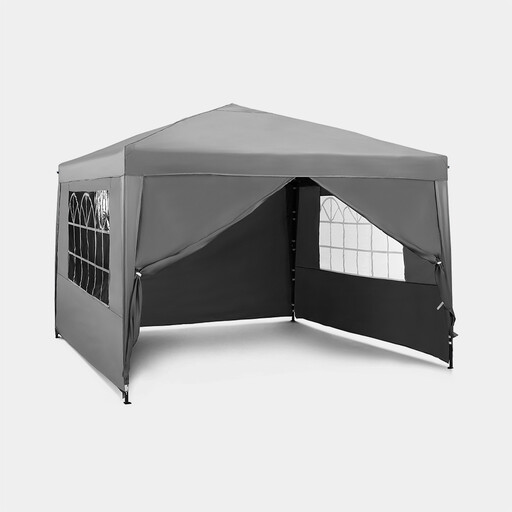
Why It Stands Out: This model is a comprehensive solution for anyone needing a reliable pop up gazebo. It combines a straightforward assembly process with a full set of accessories, making it ready for almost any situation straight out of the box.
Pros:
Who is it for?
portable gazebo with sides for complete protection.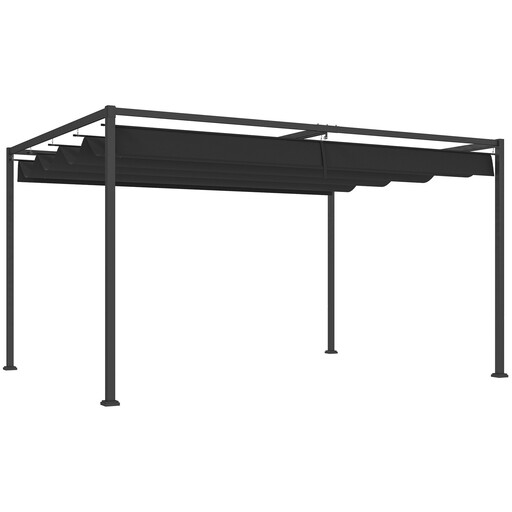
Why It Stands Out: While not a 'pop-up' model, this pergola offers a more permanent and elegant solution for garden shade. Its retractable roof provides a level of flexibility that fixed canopies lack, allowing you to control the amount of sunlight on your patio.
Pros:
Who is it for?
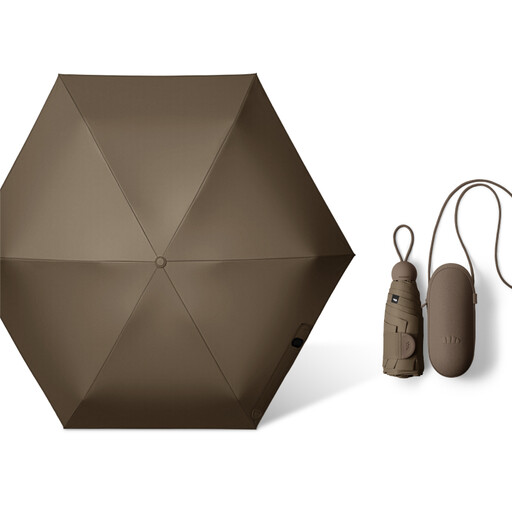
Why It Stands Out: Sometimes, you only need personal shade. This ultra-compact umbrella offers a high-tech solution for individual sun and rain protection. It redefines portability, fitting easily into a bag or pocket.
Pros:
Who is it for?
The products featured here are just a starting point. If you are looking for different sizes, styles or features, there is a wide world of outdoor shelters to explore.
? Discover a wider selection of gazebos, pergolas and other shelters in our Backyard Shade Structures category.
1. How do I stop my pop up gazebo from blowing away? The best way to secure your gazebo is to use all the anchoring tools provided. Insert pegs into the ground through the feet of the frame at an angle. Attach guy ropes to the corners of the canopy and peg them into the ground a few feet away from the structure. For use on hard surfaces like patios, leg weights filled with sand or water are essential.
2. Can you leave a pop up gazebo up overnight? It is generally not recommended to leave a pop up gazebo unattended overnight, especially if wind or heavy rain is forecast. These are designed as temporary structures. Strong winds can damage the frame or turn it into a safety hazard. Always check the manufacturer's instructions and if in doubt, it is safer to take it down.
3. What does a waterproof rating mean for a gazebo? A waterproof rating, often measured as a hydrostatic head (HH) in millimetres, indicates how much water pressure the fabric can withstand before it leaks. While many gazebos use terms like "water-resistant" or "showerproof," a higher HH rating (e.g., 2000mm or more) signifies better performance in sustained rain. For general UK use, a good quality water-resistant fabric like 420D Oxford is usually sufficient for light to moderate showers.