
24/7 Customer Support

Free returns

Same-day & Next-day Delivery

Quality Guaranteed

Unlock Your Welcome Offers: FREE Delivery | Up to 80% OFF | Free 30-day JoyPlus trial
Download the APP
Popping candy is designed to make snacking more interactive, with small carbon dioxide bubbles creating a crackling sensation as they dissolve. Whether you are looking for fruity popping candy for a birthday party, Japanese sweets for an anime fan or novelty sweets for a school treat, the product format matters as much as the flavour.
However, colourful packaging can make comparison difficult. A small sachet may look generous online but contain only 30g, while a larger sharing bag may offer better value for groups. Ingredients, allergens and age guidance also vary considerably. Use this guide to avoid common buying traps and choose fizzy sweets that match the occasion.
The terms fizzy sweets, crackling candy and popping sweets are often used broadly. Some products contain genuine popping candy, while others simply have an acidic sugar coating that tastes sharp or tingles on the tongue. Check the ingredients for carbon dioxide, popping candy or popping beads if the interactive sensation is your priority.
Gummy sweets with a fizzy coating can still be enjoyable, but they provide a chewy texture rather than the distinct crackle associated with popping candy.
Popping candy can contain lactose or milk, even when the product looks like a simple sugar sweet. Biscuit formats may also contain wheat, soya, milk and other allergens. Always read the current packaging before serving, particularly when buying sweets for children or a mixed group.
Some products include colours carrying a UK-required warning that they may have an adverse effect on activity and attention in children. This does not mean every child will react in the same way, but it is important information when choosing party sweets or school treats.
Individual 30g bags are convenient for trying a flavour or adding to a goody bag. They may be less practical for a large party, where several packs are needed. Conversely, a 125g or 170g share bag can be unsuitable if you want individually portioned treats.
Before ordering, consider the number of people, whether the sweets need to travel and how soon the pack will be consumed after opening.
Look for a clearly presented ingredient list and allergen statement. Common ingredients include sugar, glucose syrup, acids such as citric or malic acid, flavourings and carbon dioxide. Milk may appear as lactose, while biscuit sticks can include wheat, milk, soya and lupin.
If you are choosing Japanese sweets or Korean sweets, do not rely only on the front-of-pack description. Imported confectionery may use different flavour names and colour references, so check the UK product listing and packaging details.
Compare net quantity, not just the number of pieces shown in a product image. A 30g popping candy sachet is suited to single-use snacking, while an 80g gummy pack or 125g share bag is more suitable for sharing.
Individually wrapped sweets can be easier to distribute hygienically at celebrations. Cotton candy is more sensitive to humidity, so sealed individual packaging is useful if it will be included in gift bags.
Most popping candy should be stored in a cool, dry place away from sunlight and moisture. Moisture can reduce the crackling effect and affect the texture. Reseal larger packs where the instructions allow, and consume single sachets soon after opening.
Small sweets, long biscuit sticks and fluffy cotton candy can present choking risks for young children. Follow the age guidance on the pack and supervise children where appropriate.
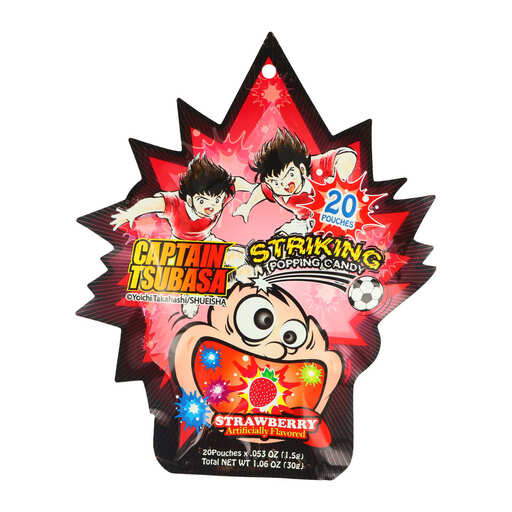
Why This Fits Their Persona: A compact option for shoppers trying popping candy for the first time, adding to party bags or choosing a fruity flavour for an occasional treat.
The listing states a 30g net quantity and provides ingredient, allergen and storage information, making the pack size easier to judge before ordering.
Strawberry flavour, ready-to-eat format and a portable 30g sachet. Contains milk, so check the allergen information first.
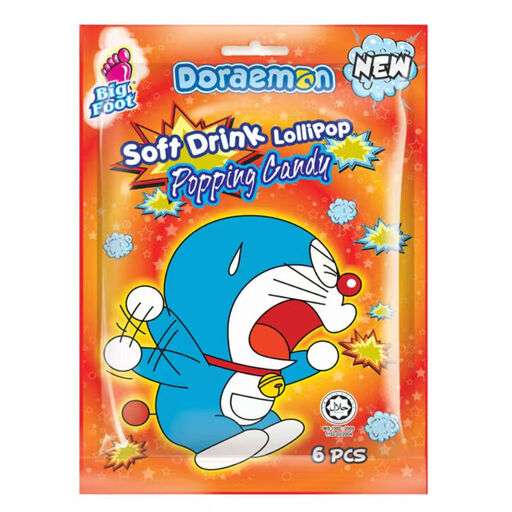
Why This Fits Their Persona: A themed choice for anime fans, collectors and shoppers seeking Japanese-style novelty sweets with more presentation than a plain sachet.
The 60g listing identifies the available lemonade, cola and Sarsi flavours, helping shoppers compare flavour expectations rather than relying only on the character packaging.
Lollipop format with popping candy and three soft-drink-inspired flavour options. Contains milk and E102; review the label before serving children.
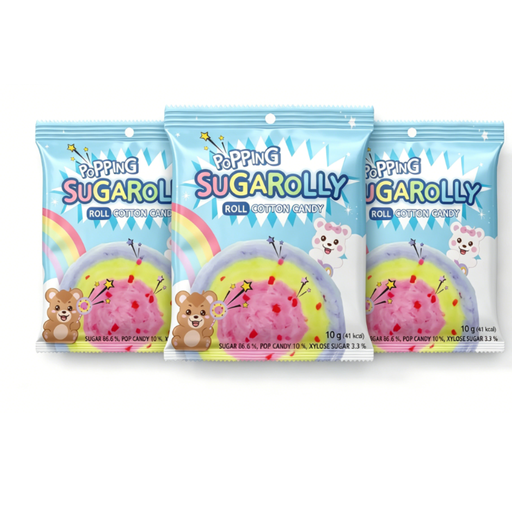
Why This Fits Their Persona: Three individually packaged Korean-style cotton candy rolls suit party favours, confectionery gift ideas and colourful sharing occasions.
The three-piece format makes the quantity clear, while moisture-proof individual packaging helps protect the fluffy texture before opening.
Includes layered fruity flavours and popping beads in a soft cotton candy format. Keep sealed, avoid humidity and supervise young children while eating.
We have compiled a complete, real-time list of products that fully satisfy these strict selection criteria and UK safety regulations.
Keep unopened packs in a cool, dry place away from direct sunlight, heat and humidity. Moisture can reduce the texture and popping effect. Follow the specific storage instructions on the packaging and consume single-use packs soon after opening.
Check the product’s age guidance, allergen statement and colour warnings before serving. Small pieces, long biscuit sticks and fluffy confectionery may present choking risks, particularly for younger children. Supervision is sensible where the packaging recommends it.
Some products do and some do not. Lactose is used in several popping candy recipes, while coated biscuits commonly contain milk powder or whey. Always check the ingredients in bold on the product packaging, especially when buying sweets for a group.