
24/7 全天候客户支持

免费退货

当日/次日达

品质保障

开启新人专享福利: 全场免邮 | 低至 2 折 | 免费试用 30 天 JoyPlus 会员
下载 Joybuy
Visible pores, excess sebum, blackheads and uneven texture can make skincare shopping confusing. Many products promise a tighter-looking complexion, but the right choice depends on your skin type, tolerance and routine—not simply on the word “pore” printed on the packaging.
As the Joybuy Product Recommendation Officer, I filter product information into practical buying guidance. Here are the common traps to avoid, the specifications worth checking and suitable pore care skincare products for different routines.
Pores are a natural part of skin structure. Skincare can help reduce the appearance of congestion, shine and uneven texture, but no cosmetic product can permanently remove pores. Be cautious of wording that suggests instant or permanent structural changes.
A more realistic aim is skin that looks smoother and more balanced through cleansing, gentle exfoliation, hydration and daily sun protection.
High concentrations of acids, rough scrubbing particles and frequent masking may leave skin feeling very clean at first. However, overuse can cause dryness, tightness or visible irritation, particularly when several exfoliating products are combined.
For sensitive skin, consider a PHA exfoliator such as gluconolactone. Its larger molecular structure is commonly used in gentler exfoliating formulas. Those with oily or congested skin may prefer a salicylic acid face wash, but should still follow the product directions and avoid applying it to broken or irritated skin.
Clay and charcoal can absorb surface oil, making skin feel cleaner and less shiny after use. This does not mean that they permanently reduce pore size. If a clay mask leaves your face persistently tight, your routine may be too drying.
Look for formulas that combine oil-absorbing ingredients with moisturising or soothing components. Always check the complete ingredient list, especially if you react to fragrance, essential oils or alcohol.
Different ingredients suit different concerns:
Check whether the formula contains several exfoliating agents before adding it to an established routine.
A product’s recommended usage is as important as its ingredient list. A wash-off mask may be designed for three to ten minutes once or twice a week, while a serum may be intended for more regular use. Follow the packaging instructions rather than leaving a mask on until it becomes uncomfortably tight.
A weekly peeling gel or pore-minimising face mask may be sufficient for some routines. Daily products, including a daily sheet mask for pores, should be selected carefully if the formula contains fragrance or essential oils.
For oily or combination skin, lightweight serums, ampoules and quick-rinse masks are convenient. A stick mask can be useful for targeted application across the T-zone, while a larger jar may offer better value for regular weekly use.
Sensitive-skin shoppers should patch test new products, avoid combining multiple exfoliants at once and review warnings carefully. Exfoliating products can increase sensitivity to sunlight, so use sunscreen during daytime and limit unnecessary sun exposure.
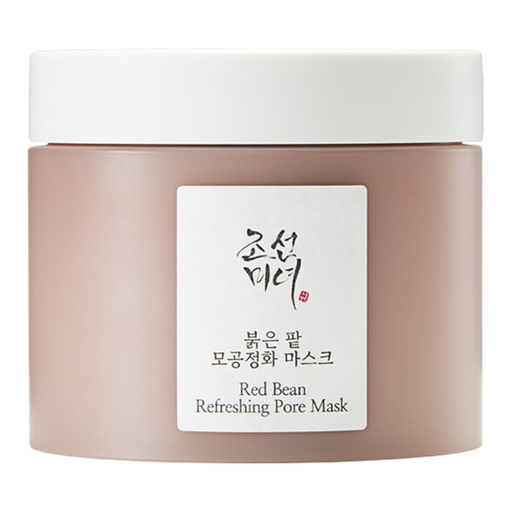
Why This Fits Their Persona: A simple weekly wash-off option for shoppers starting a Korean pore care skincare routine without adding several active products at once.
Its instructions specify a 5–10 minute contact time and once- or twice-weekly use, helping avoid unnecessarily long masking sessions.
Contains red bean extract, red bean powder and kaolin; the wash-off format is easy to add to a weekly routine.
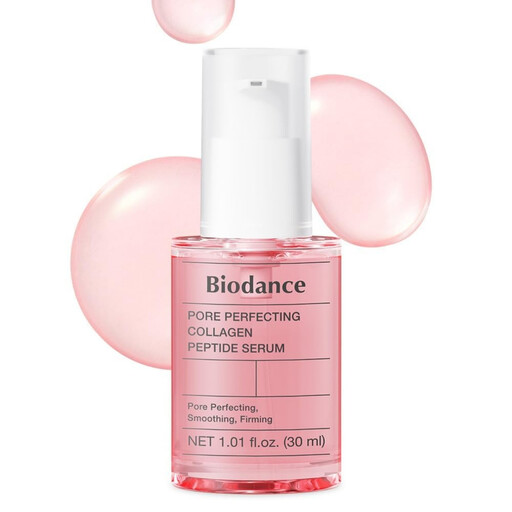
Why This Fits Their Persona: A lightweight daily serum for shoppers prioritising hydration, elasticity-focused care and a smooth makeup base.
It offers a clear ingredient profile featuring collagen water, peptides, niacinamide, panthenol and hyaluronic acid rather than relying only on pore-related wording.
Dropper packaging supports controlled application; the formula is described as lightweight and fast-absorbing.
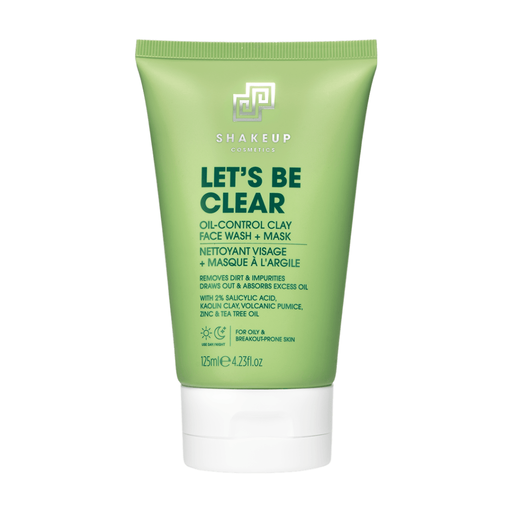
Why This Fits Their Persona: Suitable for shoppers wanting one product for daily cleansing and occasional deeper care, particularly where shine and congestion are regular concerns.
The two usage methods and separate contact times are stated clearly, helping shoppers avoid treating a clay cleanser like an overnight mask.
Contains kaolin, volcanic pumice powder and 2% salicylic acid; includes zinc gluconate and glycerin in the listed formula.
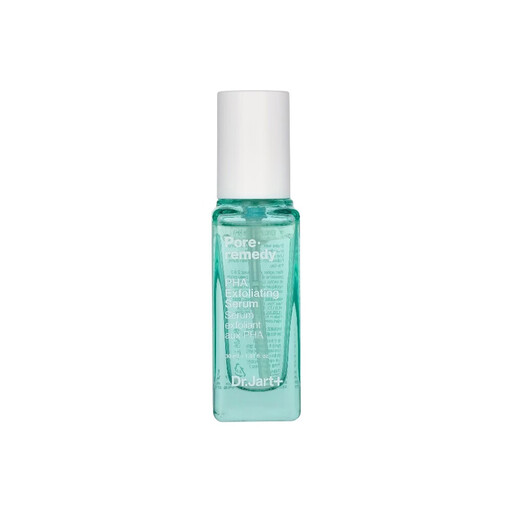
Why This Fits Their Persona: A water-like exfoliating serum for shoppers seeking a gentler alternative to stronger acid routines while addressing texture and visible congestion.
Its 7% gluconolactone specification makes the exfoliating level easier to identify, while the instructions advise moisturiser and sunscreen during daytime use.
Contains 7% PHA, panthenol and macadamia seed oil; the 30ml bottle uses a straightforward pump application.
We have compiled a complete, real-time list of products that fully satisfy these strict selection criteria and UK safety regulations.
Start with a gentle cleanser, then add one targeted product rather than several new actives together. For oily skin, this could mean a salicylic acid cleanser or clay mask used according to its instructions. For sensitive skin, choose a PHA exfoliating serum or mild peeling product and introduce it gradually.
Hydration remains important for combination and oily skin. A lightweight pore tightening serum, collagen pore serum or ampoule can be applied after cleansing, followed by moisturiser. Use sunscreen in the morning, particularly when exfoliating products are part of the routine.
Begin with one exfoliating or mask product once a week. If your skin remains comfortable, follow the packaging guidance. Avoid using a peeling gel, acid serum, clay mask and exfoliating pads on the same day.
They may help loosen or reduce the appearance of surface congestion with regular use, but results vary. Persistent or painful skin concerns may require advice from a qualified healthcare professional rather than increasingly strong cosmetic products.
Some are, but sensitivity depends on the individual formula and your skin’s condition. Look for gentle ingredients, patch test first and avoid products containing ingredients you already know cause a reaction. Stop using any product that causes persistent burning, swelling, itching or rash.