
24/7 Customer Support

Free returns

Same-day & Next-day Delivery

Quality Guaranteed

Unlock Your Welcome Offers: FREE Delivery | Up to 80% OFF | Free 30-day JoyPlus trial
Download the APP
Blackheads, excess oil, rough texture and dullness can make skincare shopping unnecessarily confusing. Shelves are filled with face scrubs, acid serums, clay masks, pore-cleansing washes and brightening treatments, but a stronger-sounding formula is not automatically the right choice.
As the Joybuy Product Recommendation Officer, I focus on practical distinctions that help shoppers avoid wasted purchases. The right pore-cleansing exfoliating skincare product should match your skin’s tolerance, the type of congestion you experience and how often you realistically intend to use it.
High percentages of acids, rough particles or intense “deep-cleaning” claims can encourage overuse. Applying several exfoliating products together may leave skin feeling tight, uncomfortable or visibly irritated. A product designed for weekly use should not automatically become a daily treatment.
Clay can absorb surface oil, while exfoliation can make skin feel smoother. These effects may improve the appearance of pores temporarily, but cosmetic products do not permanently remove pores. Look for clear information about the formula, recommended frequency and skin compatibility rather than relying on “poreless” language.
An active ingredient is only one part of a formula. Fragrance, essential oils, alcohol, physical exfoliating particles and surfactants may matter if your skin is reactive. Always check the full ingredient list, particularly when choosing a chemical exfoliant for sensitive skin or a treatment for acne-prone skincare routines.
AHA BHA PHA skincare can be useful for people with several concerns, but multi-acid products require careful frequency control. Beginners may prefer a cleanser or low-frequency treatment rather than combining several leave-on acids.
A face scrub for blackheads can help lift surface debris, but rubbing harder does not improve pore cleansing. Choose fine, smooth particles and use light pressure. Avoid scrubs on broken, inflamed or irritated skin. If you already use an acid serum, retinoid or peeling treatment, adding a scrub may increase the chance of discomfort.
Patch testing is sensible, especially for sensitive or acne-prone skin. Stop using a product if burning, swelling, itching or persistent redness develops, and seek medical advice if symptoms continue. During acid exfoliation, use broad-spectrum sunscreen and limit unnecessary sun exposure.
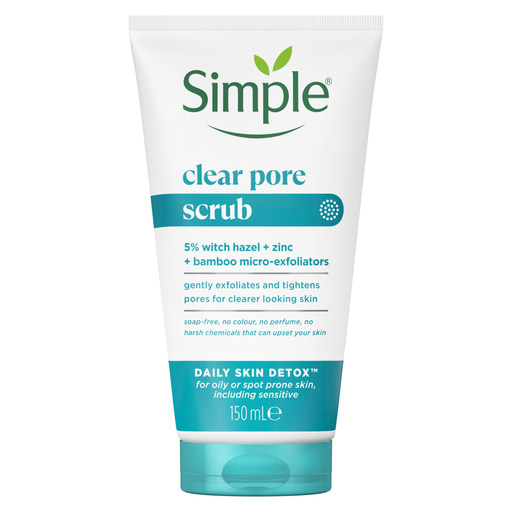
Why This Fits Their Persona: A straightforward wash-off option for shoppers starting a pore-care routine and wanting a familiar scrub format.
The instructions specify light pressure and use no more than 2–3 times weekly, helping discourage aggressive daily scrubbing.
Contains bamboo exfoliating material, zinc PCA and niacinamide; the 150ml size suits regular use.
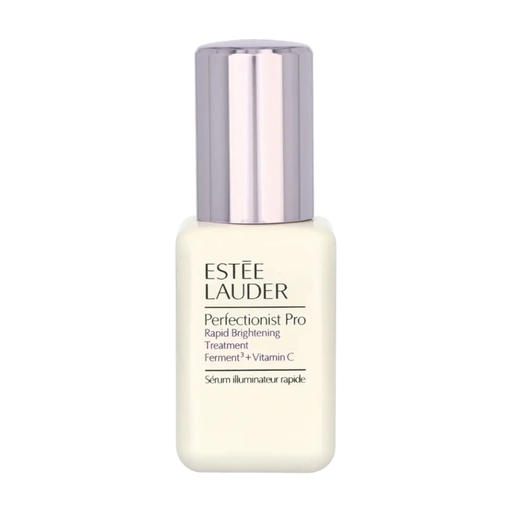
Why This Fits Their Persona: Suits shoppers prioritising dullness, uneven tone and a lightweight serum texture alongside pore-focused care.
It is positioned as a targeted brightening treatment rather than a replacement for cleansing or an intensive peel.
Contains ascorbyl glucoside, sodium hyaluronate and squalane; the 30ml format is designed for targeted daily application.
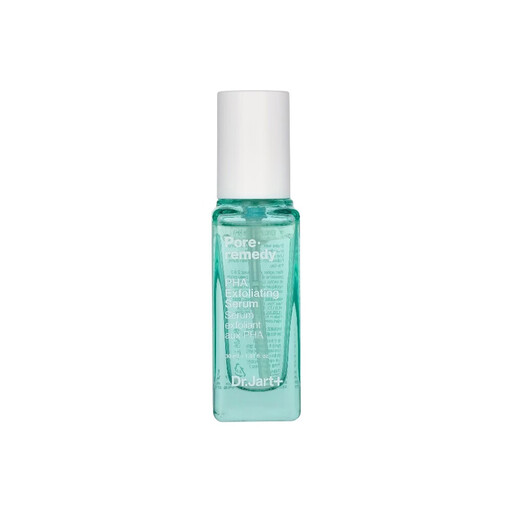
Why This Fits Their Persona: A practical option for shoppers seeking a leave-on PHA treatment with a water-like texture and a defined active level.
The formula clearly states 7% PHA, while the directions advise moisturiser and daytime sunscreen rather than promising instant permanent pore changes.
Uses gluconolactone with panthenol; the 30ml serum format allows measured application.
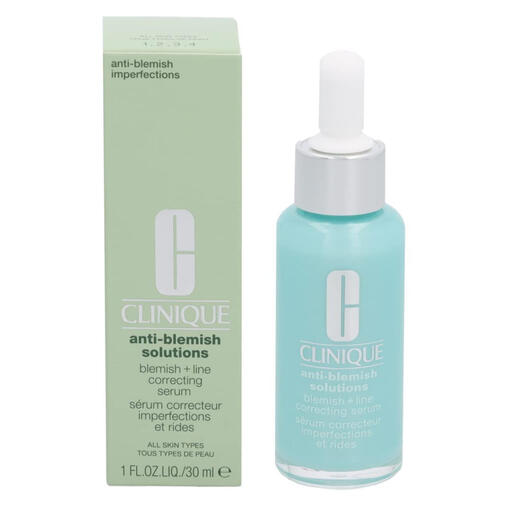
Why This Fits Their Persona: Designed for adults balancing blemishes with concerns about uneven texture and visible lines.
It uses salicylic acid in a serum format, so shoppers can add one targeted treatment instead of layering multiple scrubs.
The formula is fragrance-free and contains salicylic acid, sodium hyaluronate and acetyl glucosamine.
We have compiled a complete, real-time list of products that fully satisfy these strict selection criteria and UK safety regulations.
Start with a gentle cleanser, then introduce one exfoliating product at a time. Use a clay mask or scrub occasionally rather than stacking both on the same day. If dullness or dark marks are your priority, add a brightening serum after your skin has adjusted to exfoliation. Products such as vitamin C derivatives, niacinamide or hydrating ingredients can complement pore-minimising skincare without replacing sun protection.
Keep the routine simple for at least several applications before deciding whether it suits you. More products increase cost and make it harder to identify what is causing irritation.
Some PHA products are formulated as gentler alternatives, but “sensitive-skin-friendly” is not a guarantee for every user. Patch test first, avoid damaged skin and begin less frequently than the maximum directions. Check for fragrance, essential oils and alcohol if these are known personal triggers.
Follow the product instructions. A physical scrub may be limited to a few times weekly, while stronger multi-acid treatments may be intended for once-weekly use. Do not use several exfoliants together until you understand your skin’s tolerance.
It can help loosen surface build-up and improve the appearance of congestion over time, but blackheads can return as oil and dead skin accumulate. Consistent, moderate use is generally more practical than harsh scrubbing or squeezing. Persistent or severe blemishes may require advice from a qualified healthcare professional.