
24/7 Customer Support

Free returns

Same-day & Next-day Delivery

Quality Guaranteed

Unlock Your Welcome Offers: FREE Delivery | Up to 80% OFF | Free 30-day JoyPlus trial
Download the APP
Blocked pores, blackheads, excess oil and uneven texture can make a routine feel needlessly complicated. There are pore-cleansing face washes, exfoliating toners, toner pads, peeling gels, clay face masks and concentrated AHA BHA PHA exfoliators—each aimed at a slightly different concern.
The challenge is separating useful product information from persuasive packaging. A suitable option should match your skin’s tolerance, the type of congestion you experience and how often you realistically want to use it.
A high percentage of acids or a rough physical scrub may feel active, but more intensity is not automatically more suitable. Frequent irritation can make it harder to maintain a consistent routine. Beginners and those with sensitive skin may prefer PHA-based products, enzyme cleansers or a mild peeling gel before considering stronger treatments.
Pore size is influenced by skin structure, oil production and lighting. Pore cleansing products can remove surface oil and loosen impurities, which may make pores look less noticeable temporarily. However, a cosmetic product should not be treated as a permanent enlarged pore treatment or guaranteed solution.
Using an acid cleanser, exfoliating toner, scrub, clay mask and peeling treatment in the same week can create unnecessary stress for the skin. Check the ingredient list for overlapping exfoliants, including glycolic acid, salicylic acid, gluconolactone, betaine salicylate and papain. Introduce one new exfoliating product at a time.
The concentration and product format matter. A rinse-off serum is exposed to the skin for less time than a leave-on toner, while a cleanser is removed after a short massage. Do not compare percentages across formats as though they provide identical strength.
Pore-cleansing face washes are practical for daily cleansing, particularly if you wear sunscreen or experience an oily T-zone. Exfoliating toners and pads are leave-on or semi-leave-on steps, so they require more careful frequency control. Clay face masks are better suited to occasional oil-absorbing care rather than daily use.
A peeling gel can be convenient for a weekly reset, while a targeted clay stick mask may be useful for the nose, forehead and chin instead of the entire face.
Look for hydrating or comforting ingredients such as glycerine, panthenol, allantoin, centella asiatica and hyaluronic acid. These do not cancel out the potential for irritation, but they can make a formula feel more comfortable.
Read the full ingredient list if you react to fragrance, essential oils, alcohol or particular botanicals. Patch testing is sensible before applying a new product across the face. Avoid exfoliating skincare on broken, sunburnt or inflamed skin, follow the packaging directions and use daytime sun protection where the product warning advises it.
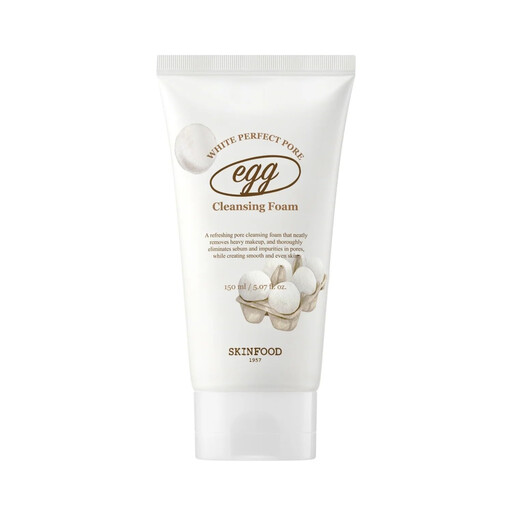
Why This Fits Their Persona: A straightforward 150ml foaming cleanser for shoppers who want a simple first step for oily or combination skin without adding several treatment products.
It is a rinse-off product rather than a leave-on acid treatment, helping beginners avoid layering several exfoliants at once.
Contains salicylic acid, centella and liquorice root extract; creates a fine foam when mixed with water.
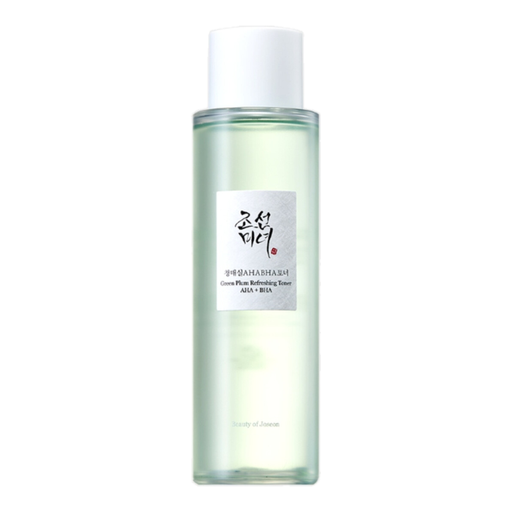
Why This Fits Their Persona: Suitable for an established Korean skincare routine where a lightweight evening toner is preferred over a heavy cream or scrub.
Its listed 3% glycolic acid and 0.5% salicylic acid make the exfoliating profile clear, rather than relying on vague “pore refining” language.
Water-light texture; includes green plum water, mung bean extract and plant extracts alongside AHA and BHA.
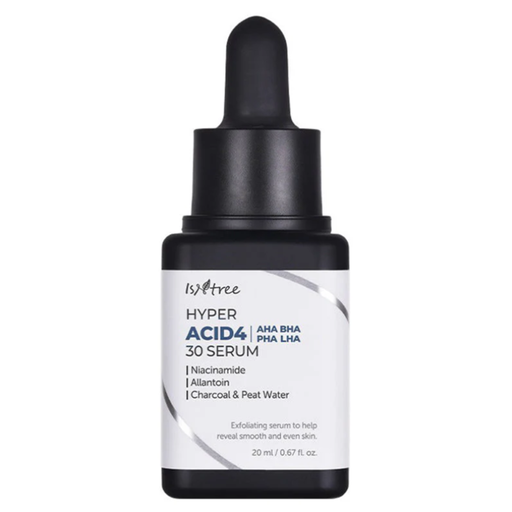
Why This Fits Their Persona: Designed for shoppers seeking a short, occasional treatment for rough texture and congestion rather than a daily exfoliating step.
It is a rinse-off formula used for about one minute, helping limit contact time compared with a leave-on serum.
Lists AHA, BHA, PHA and LHA; the product directions specify use once or twice weekly depending on tolerance.
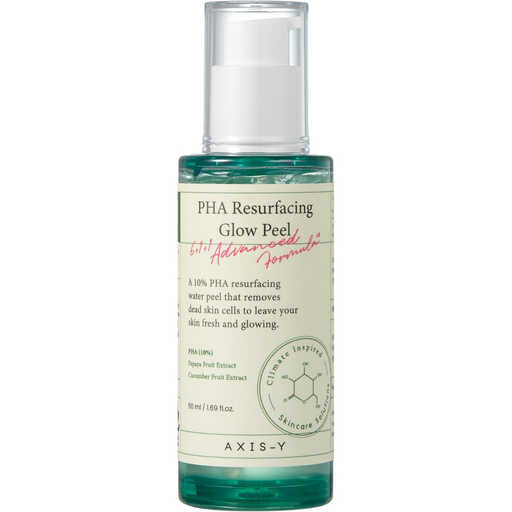
Why This Fits Their Persona: A practical option for people who want a weekly gel treatment and are cautious about stronger AHA or BHA products.
The formula clearly identifies 10% gluconolactone, while the directions specify a 10–15-minute application followed by rinsing.
Contains PHA and centella asiatica extract; the gel format is easy to apply without cotton pads.
We have compiled a complete, real-time list of products that fully satisfy these strict selection criteria and UK safety regulations.
Start with a gentle cleanser once or twice daily, depending on how your skin feels. Add one exfoliating treatment rather than several. For oily or combination skin, a BHA-focused product may be useful for the T-zone; for sensitivity or surface roughness, consider a PHA or enzyme option.
Use clay masks once weekly or as directed, concentrating on oily areas rather than allowing the mask to become uncomfortably dry. Apply moisturiser afterwards. Keep product lids closed, store items away from heat and sunlight, and check the packaging for batch, shelf-life and storage information.
Begin with once weekly for leave-on acids, peeling gels or intensive treatments. If your skin remains comfortable, follow the product directions and increase gradually. A daily cleanser is a separate category, but prolonged rubbing can still cause discomfort.
It is usually more cautious to separate them, particularly if both products contain exfoliating ingredients. Use the clay mask on a different evening and stop if you notice persistent stinging, redness, itching or swelling.
They can help cleanse surface oil and loosen pore debris, but blackheads may return as sebum and dead skin accumulate. Consistent, moderate use is more practical than aggressive scrubbing or squeezing. If congestion is persistent or painful, seek advice from a qualified healthcare professional.