
24/7 Customer Support

Free returns

Same-day & Next-day Delivery

Quality Guaranteed

Unlock Your Welcome Offers: FREE Delivery | Up to 80% OFF | Free 30-day JoyPlus trial
Download the APP
By Joybuy Product Recommendation Officer
A pore-cleansing face mask can help remove surface oil, loosen daily grime and leave skin feeling smoother. However, choosing by a dramatic “deep detox” label alone can lead to dryness, irritation or a product that does not suit your routine.
For UK shoppers, the most useful approach is to compare the formula, application method, skin-type suitability and pack size before buying. A clay mask for oily skin will serve a different purpose from a hydrating sheet mask, while an exfoliating face mask may be unsuitable for users already applying acids or retinoid products.
Clay can temporarily absorb excess sebum, making pores appear less noticeable. It does not permanently change pore size. A very tight, flaky finish may indicate that the product has removed too much surface moisture rather than delivered superior cleansing.
Look for moisturising ingredients such as glycerin, panthenol, squalane or plant oils, particularly if your skin feels dry after washing.
A charcoal face mask can provide an oil-absorbing wash-off treatment, but the word “charcoal” does not describe the complete formula. Check whether the product also contains clay, fragrance, essential oils or exfoliating ingredients. These additions influence how comfortable the mask feels and how frequently it should be used.
Blackheads are not simply dirt and cannot always be removed in one application. Repeated scrubbing, leaving clay on until it cracks or combining several exfoliating products may cause redness and discomfort. Follow the stated contact time and begin with once-weekly use unless the packaging gives different instructions.
A face mask for combination skin is often most practical when applied only to the oily T-zone, while drier cheek areas receive moisturiser or a hydrating sheet mask. Oily skin may tolerate a clay or charcoal formula more readily, but it still needs post-mask hydration.
Sensitive or reactive skin should favour shorter contact times, avoid damaged areas and complete a patch test according to the product instructions. No cosmetic mask should be applied to broken, wounded or inflamed skin.
A tub may offer a larger amount per application, while a stick mask can be easier to use without touching the product. Sheet masks are convenient for moisture-focused care, but they are not interchangeable with an oil-absorbing clay treatment.
Check the stated time: some formulas are designed for 3–5 minutes, while others require 10–20 minutes. Do not leave a wash-off mask on for longer in the hope of improving results. For multi-pack products, consider how frequently you will realistically use them and check storage advice, batch information and packaging condition.
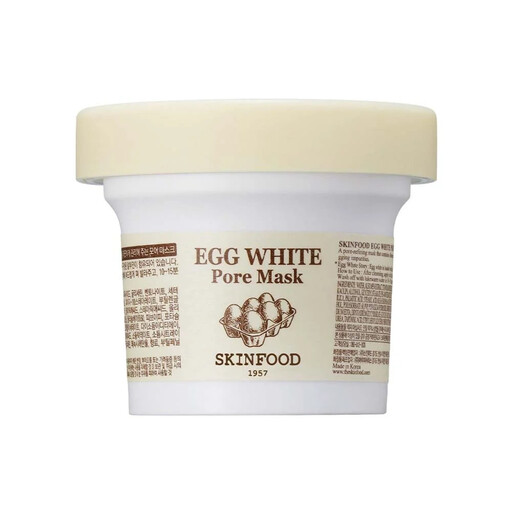
Why This Fits Their Persona: A 120g wash-off format suits shoppers wanting a straightforward weekly clay treatment for an oily T-zone or visible shine.
Kaolin and bentonite provide the cleansing base, while glycerin, panthenol and olive fruit oil support a less stripped feeling.
120g quantity; combines two clays with moisturising and soothing-support ingredients.
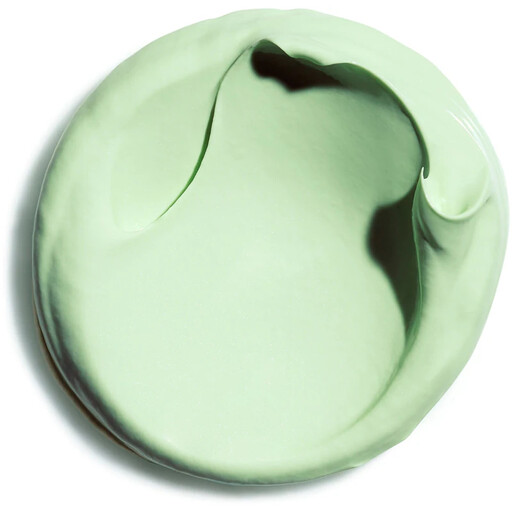
Why This Fits Their Persona: The 10-minute application and creamy texture suit combination-to-oily users who prefer a more targeted weekly routine.
Its stated 10-minute contact time helps discourage overuse, and the formula uses white and green clays rather than relying on charcoal imagery alone.
75ml creamy texture; intended for use once or twice weekly on combination-to-oily skin.
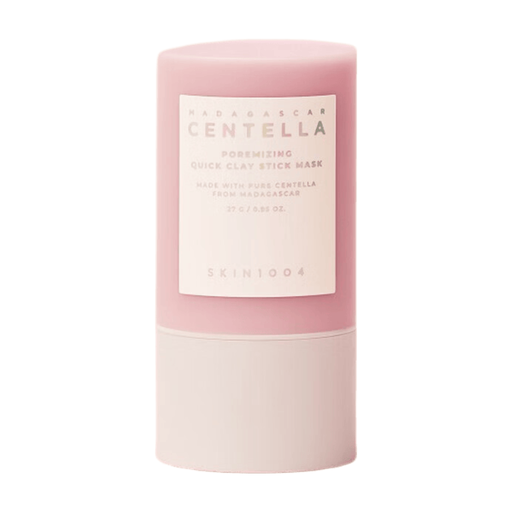
Why This Fits Their Persona: The stick format is practical for busy UK routines, travel or applying product only across the nose, forehead and chin.
The recommended 3–5-minute window and instruction not to let it dry completely reduce the temptation to leave clay on until it cracks.
27g twist-up format; contains kaolin, bentonite and centella asiatica extract.
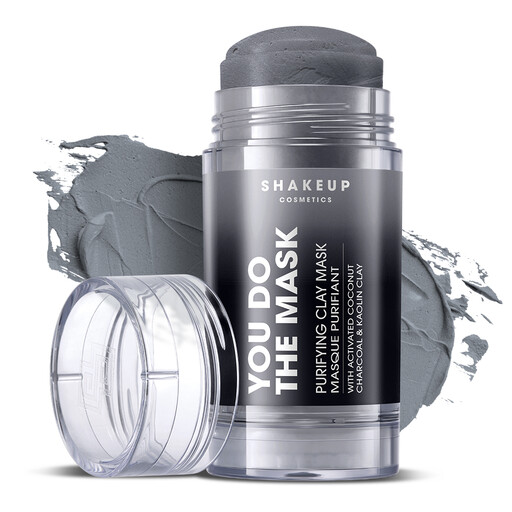
Why This Fits Their Persona: The twist-up design makes targeted application quick for users who want to focus on blackheads, congestion or an oily T-zone.
It combines kaolin and activated coconut charcoal with glycerin, rather than presenting charcoal as the only relevant feature.
Mess-free stick packaging; includes coconut extract, glycerin, kaolin and activated coconut charcoal.
We have compiled a complete, real-time list of products that fully satisfy these strict selection criteria and UK safety regulations.
Many clay and charcoal formulas are intended for once or twice weekly use. Start once a week, especially if your skin is sensitive or you already use exfoliating products. A daily sheet mask is a different category and may focus more on hydration than oil absorption.
No. A blackhead-clearing mask may temporarily lift surface impurities and absorb excess oil, but pores can become congested again. Consistent cleansing, suitable moisturising and avoiding excessive scrubbing are more practical long-term habits.
Choose clay when excess oil and shine are your main concerns. Choose a hydrating sheet mask when your skin feels dry, tight or uncomfortable after cleansing. Combination skin may benefit from applying clay only to the T-zone and using hydration-focused care elsewhere.