
24/7 Customer Support

Free returns

Same-day & Next-day Delivery

Quality Guaranteed

Unlock Your Welcome Offers: FREE Delivery | Up to 80% OFF | Free 30-day JoyPlus trial
Download the APP
A pore cleansing face mask can be useful when your skin feels oily, congested or uneven. However, the label alone does not tell you whether a product will suit your routine. Clay, charcoal, scrub and sheet masks work in different ways, while some formulas may leave skin feeling uncomfortably tight if used too often.
For shoppers in the UK, three common marketing traps are worth avoiding:
The right choice depends on your skin type, the area you want to treat and how much time you will realistically spend on your routine.
A clay face mask for pores commonly contains kaolin, bentonite or other mineral clays. These ingredients can absorb surface oil and are often suitable for oily or combination skin. A formula with glycerin, panthenol, squalane or plant oils may feel more comfortable if your skin becomes tight after cleansing.
A charcoal face mask is another option for oily or congested areas. Charcoal is typically included alongside clay rather than used as the only cleansing ingredient. Check the full ingredient list rather than relying on the word “charcoal” on the front of the pack.
For sensitive skin, look for a sensitive skin pore mask with a shorter, familiar ingredient list. Fragrance, essential oils, alcohol and exfoliating particles may not suit everyone, so a patch test is sensible before applying a new mask to the whole face.
Some masks only absorb excess sebum, while others also contain physical or chemical exfoliants. Red bean powder, konjac, silica or salicylic acid can help lift surface dead skin and improve the feel of uneven texture, but combining several exfoliating products may increase the chance of irritation.
If your main concern is occasional shine, a simple wash-off pore mask may be enough. If blackheads and rough texture are the priority, a targeted exfoliating formula may be more appropriate. Apply it only to areas that need it, such as the nose, forehead and chin, rather than automatically covering the entire face.
A deep cleansing face mask should not be left on longer than directed. Some products are designed to remain slightly moist, while others are intended to dry before rinsing. Using a clay mask daily can leave some skin types feeling dry, so once or twice weekly is a common starting point unless the packaging states otherwise.
Avoid the eye and lip areas, and do not apply masks to broken, sunburnt, inflamed or irritated skin. UK cosmetic products should display ingredients and relevant usage warnings on their packaging. Always check the product label for the latest information, particularly if you have known sensitivities.
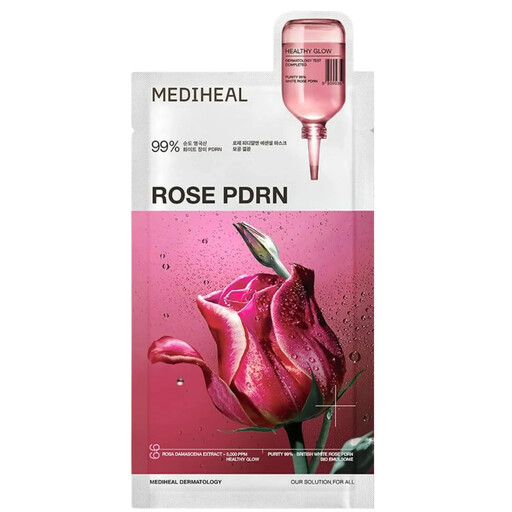
Why This Fits Their Persona: The multi-piece pack suits shoppers who prefer a regular sheet-mask routine and want several applications in one purchase.
It is not presented as a permanent pore treatment; the sheet format focuses on a moisturising, leave-on application rather than harsh drying.
10+1 sheets; includes ceramide NP, squalane and glycerin in the listed formula.
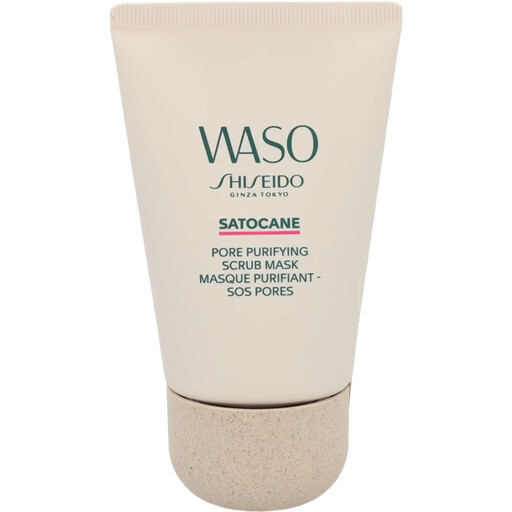
Why This Fits Their Persona: It suits shoppers looking for a considered Japanese-style clay treatment with a five-minute application and a scrub step.
The instructions specify a short contact time rather than encouraging prolonged drying, helping users follow a measured routine.
Contains kaolin, bentonite and betaine; listed as fragrance-free, vegan and non-comedogenic in the supplied product details.
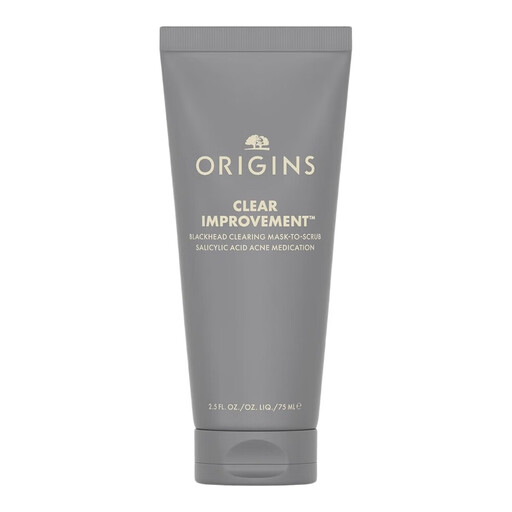
Why This Fits Their Persona: This targeted option is suited to oily or combination skin where blackheads and rough texture are the main concerns.
The formula makes its exfoliating approach clear, combining salicylic acid with konjac root, silica, clay and charcoal rather than implying that charcoal alone removes every blackhead.
Can be applied to targeted zones; supplied instructions recommend use once or twice weekly.
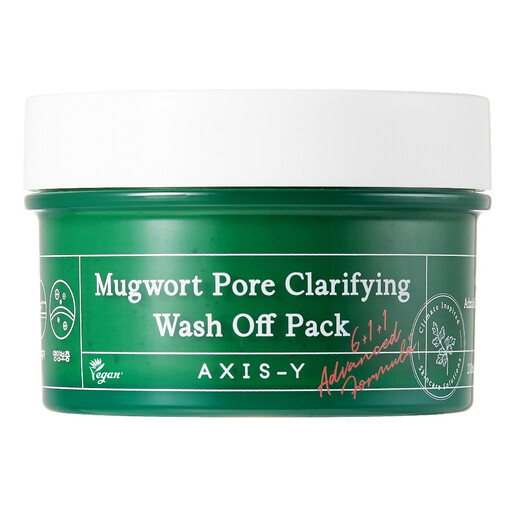
Why This Fits Their Persona: The Korean pore mask is designed for shoppers who want a wash-off clay formula with mugwort, oat, kelp and hyaluronic acid in the ingredient list.
The supplied directions recommend a patch test and warn against use on broken or irritated skin, encouraging a cautious introduction.
Contains kaolin, bentonite, mugwort extract and sodium hyaluronate; intended for one or two uses per week.
We have compiled a complete, real-time list of products that fully satisfy these strict selection criteria and UK safety regulations.
Pore strips require additional care. They should only be used on the area stated on the packaging and should not be applied to sunburnt, swollen, excessively dry or irritated skin. For example, the Bioré Tea Tree Oil Ultra Deep Cleansing Pore Strips are intended for the nose and should not be used more often than once every three days according to the supplied directions.
Start with once weekly, especially if the formula contains clay, scrub particles or salicylic acid. Oily skin may tolerate twice-weekly use, but follow the product instructions and reduce frequency if tightness or irritation develops.
No. A pore-minimising face mask may temporarily make pores look less noticeable by reducing surface oil and improving the feel of texture. Pores remain a normal part of skin and will become more visible again as oil and product build-up return.
They serve different purposes. Clay and charcoal formulas are generally chosen for oil absorption and wash-off cleansing, while sheet masks mainly deliver a leave-on essence. For visible blackheads, check whether the product includes a targeted exfoliating ingredient and use it cautiously rather than choosing solely by colour or marketing language.