
24/7 Customer Support

Free returns

Same-day & Next-day Delivery

Quality Guaranteed

Unlock Your Welcome Offers: FREE Delivery | Up to 80% OFF | Free 30-day JoyPlus trial
Download the APP
A pore-cleansing face mask can be useful when your skin feels greasy, rough or congested, but choosing one based only on words such as “detox”, “pore tightening” or “deep cleansing” can lead to disappointment. A clay mask may absorb surface oil without removing blackheads, while a strong exfoliating formula can leave sensitive skin uncomfortable.
The right choice depends on the ingredients, application format and how often you plan to use it. This guide explains the main buying pitfalls and compares practical options for different skin profiles, including products suitable for a weekly routine, targeted T-zone care and convenient on-the-go use.
A pore-refining mask may make pores look less noticeable after excess oil and surface debris are removed. However, cosmetic masks cannot permanently close pores. Enlarged pores can be influenced by genetics, oil production and skin texture, so look for realistic descriptions such as “minimises the appearance of pores” rather than permanent results.
A charcoal face mask usually combines charcoal with clays such as kaolin, bentonite or montmorillonite. These ingredients can absorb oil and lift surface impurities, but charcoal is not automatically a complete blackhead treatment. If blackheads are your primary concern, check whether the formula also contains a suitable exfoliant, such as salicylic acid or another BHA.
Allowing a mask to become completely dry and tight does not necessarily improve its performance. It can make skin feel dry, particularly if you already use cleansers, retinoids or acid products. Follow the packaging directions and begin with a shorter application time if your skin is reactive.
For oily or blemish-prone skin, salicylic acid is a commonly used BHA that can help loosen oil and debris within pores. Products containing physical particles, such as sugar, bean powder, silica or konjac, provide surface exfoliation through massage. Using both types in one product may feel more intensive, so avoid combining it with several other exfoliating products in the same routine.
A clay face mask for oily skin may contain:
A formula labelled for oily skin is not automatically suitable for every face. Combination skin often benefits from applying a clay mask only to the forehead, nose and chin, while leaving drier cheeks uncovered. For sensitive skin, consider a mild PHA or soothing wash-off mask and avoid formulas with multiple essential oils, fragrance or rough scrubbing particles if these are known triggers.
A wash-off face mask in a tube or jar is suitable for weekly targeted use, but it requires a sink and a thorough rinse. A stick format is easier to apply without using your fingers, although it should still be spread evenly and kept clean. Sheet masks are convenient and hydrating, but they may be less suitable when your main goal is absorbing excess sebum.
Also check the product’s INCI ingredient list, usage instructions, warnings, batch information and packaging condition. UK shoppers should use cosmetics only as directed, avoid damaged skin and stop using a product if persistent irritation develops.
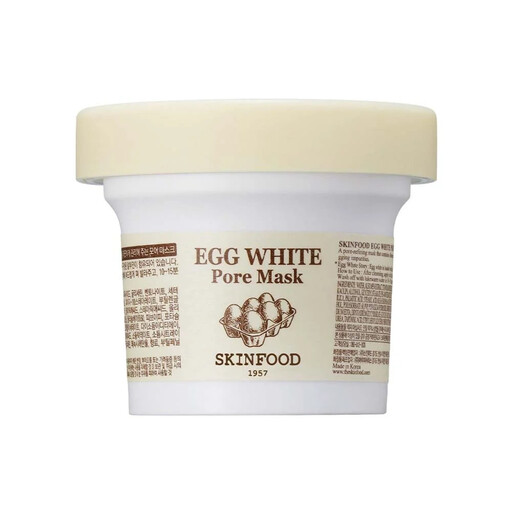
Why This Fits Their Persona: Its 120g size and straightforward rinse-off format make it practical for shoppers building a simple weekly pore-care routine.
The ingredient list identifies kaolin and bentonite for oil absorption rather than relying only on vague “pore tightening” wording.
Contains kaolin, bentonite, panthenol and olive fruit oil; designed to rinse away after partial drying.
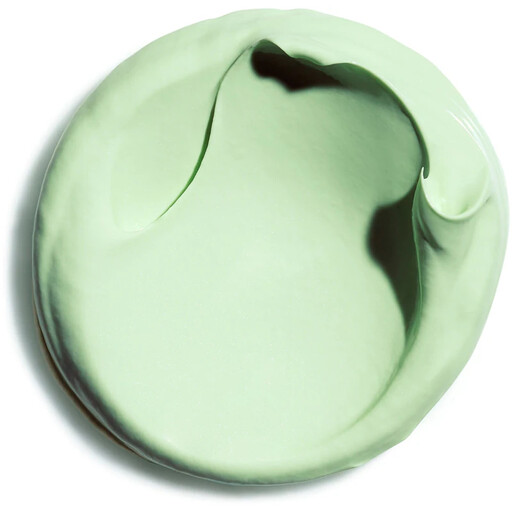
Why This Fits Their Persona: A creamy 10-minute option for combination-to-oily skin when comfort and a refined finish matter as much as oil absorption.
Its directions specify a thin layer and a 10-minute contact time, helping avoid the common mistake of leaving clay on until it becomes uncomfortably tight.
Uses white and green clays in a creamy texture; suitable for once- or twice-weekly use.
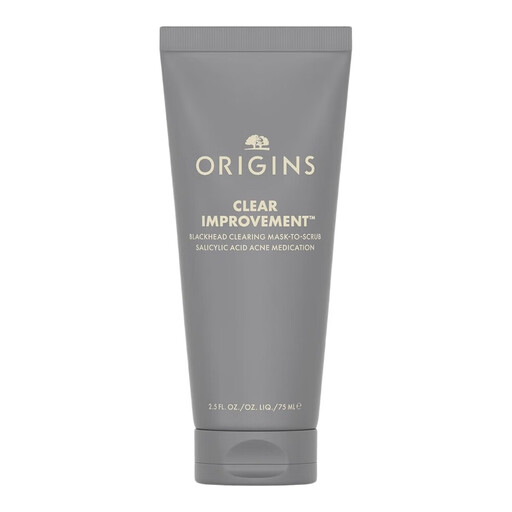
Why This Fits Their Persona: Designed for shoppers prioritising blackhead and uneven-texture care, with instructions for full-face or targeted T-zone application.
It clearly identifies both salicylic acid and physical exfoliants, so shoppers can judge its intensity instead of assuming every charcoal mask works the same way.
Combines mineral clay, bamboo charcoal, salicylic acid, konjac root and mineral silica; intended for use once or twice weekly.
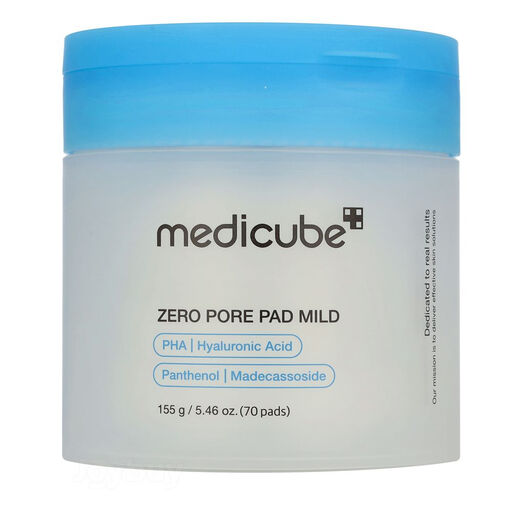
Why This Fits Their Persona: Pre-soaked pads offer a quick alternative to a traditional mask for shoppers who prefer controlled, low-mess application.
PHA is used instead of a rough scrub, while the two-sided pad makes the exfoliating step easier to control.
Includes gluconolactone, panthenol, allantoin and sodium hyaluronate; supplied as 70 pads according to the product description.
We have compiled a complete, real-time list of products that fully satisfy these strict selection criteria and UK safety regulations.
There is no single suitable option for every skin type. Clay masks are practical for excess oil, while a blackhead face mask containing salicylic acid or another exfoliant may be more relevant for pore congestion. Sensitive skin may be better suited to a mild PHA format or a soothing clay mask used less frequently.
Many clay and exfoliating formulas are intended for once or twice weekly use. Follow the specific product directions and reduce frequency if you notice dryness, stinging or redness. A face mask for combination skin can often be applied only to the T-zone rather than the entire face.
No. A mask can remove excess oil and loosen surface debris, making pores appear temporarily less noticeable. Results depend on regular, suitable use and broader skincare habits rather than leaving the product on for longer or using it every day.