
24/7 全天候客户支持

免费退货

当日/次日达

品质保障

开启新人专享福利: 全场免邮 | 低至 2 折 | 免费试用 30 天 JoyPlus 会员
下载 Joybuy
Blackheads, excess shine and rough texture can make skincare shopping feel unnecessarily complicated. Pore-cleansing face masks are available as clay treatments, charcoal formulas, exfoliating masks, sheet masks and quick-application sticks, but the most eye-catching claims do not always indicate the right product for your skin.
The main buying pitfalls are easy to overlook:
For oily skin and visible shine, kaolin, bentonite and montmorillonite clay can absorb surface sebum. A charcoal face mask may also be suitable if you prefer a purifying wash-off treatment, although charcoal is not a universal solution for every type of congestion.
For blackheads and blocked pores, look for salicylic acid, a beta hydroxy acid commonly used in exfoliating skincare, or gentler PHA ingredients such as gluconolactone. These formulas may help loosen oil and dead skin on the surface, but they should be introduced gradually.
If your skin is sensitive, prioritise glycerin, panthenol, allantoin, centella asiatica or hyaluronic acid. These ingredients can support a more comfortable routine, but fragrance and essential oils may still be unsuitable for some users. Always check the current packaging and ingredient list before use.
A clay mask for oily skin is usually intended for occasional use, often once or twice weekly. An exfoliating face mask containing both physical particles and acids requires more care than a simple hydrating sheet mask.
A product such as a blackhead removal mask may be designed for the nose and T-zone rather than the entire face. Targeted application can reduce unnecessary dryness on the cheeks.
Do not leave a clay mask on until it becomes uncomfortably tight or cracked. Follow the stated usage time. More time does not necessarily provide more cleansing.
A wash-off face mask in a tube or jar can suit regular weekly care, while a stick format is useful for quick, targeted application. Sheet masks are convenient and produce little bathroom mess, but they are generally more focused on hydration and soothing than intensive sebum absorption.
For repeated use, compare the number of applications rather than the pack size alone. A large jar may offer good value if the formula suits your skin, while individually packed sheets can be practical for travel or controlled portions.
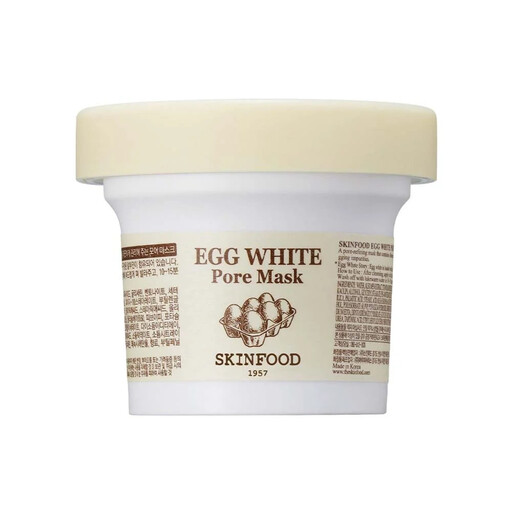
Why This Fits Their Persona: A straightforward 120g clay treatment for shoppers beginning a weekly pore-care routine and wanting a familiar jar format.
Its ingredient list clearly identifies kaolin and bentonite rather than relying only on vague detox wording. Use it for the recommended period and rinse before skin feels overly tight.
Contains kaolin, bentonite, panthenol and dipotassium glycyrrhizate; the 120g format is suitable for repeated targeted use.
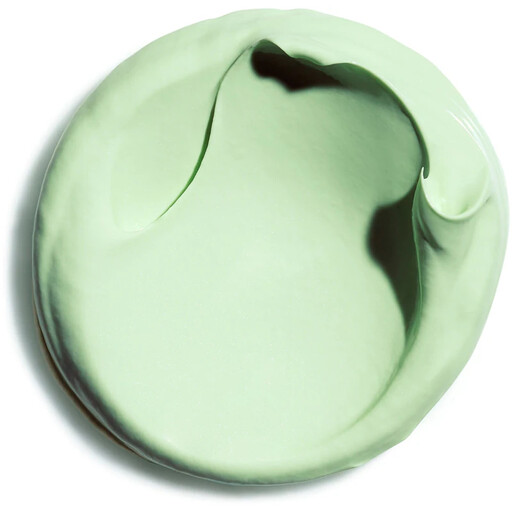
Why This Fits Their Persona: A 75ml creamy clay option for combination-to-oily skin that prefers a more comfortable weekly treatment.
The product instructions specify a 10-minute application, helping users avoid the assumption that a longer drying time delivers deeper results.
Uses white and green clays and has a creamy texture; intended for once- or twice-weekly use.
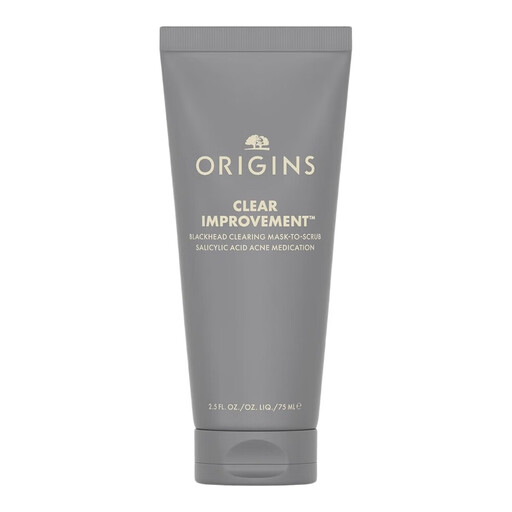
Why This Fits Their Persona: Suits users specifically comparing face masks for clogged pores and blackheads who want both exfoliating particles and an acid-based ingredient.
The formula lists salicylic acid alongside konjac root and mineral silica, making the dual exfoliation approach clear. Its instructions limit use to once or twice weekly.
Combines bamboo charcoal, mineral clay and salicylic acid; can be applied to the full face or selected T-zone areas.
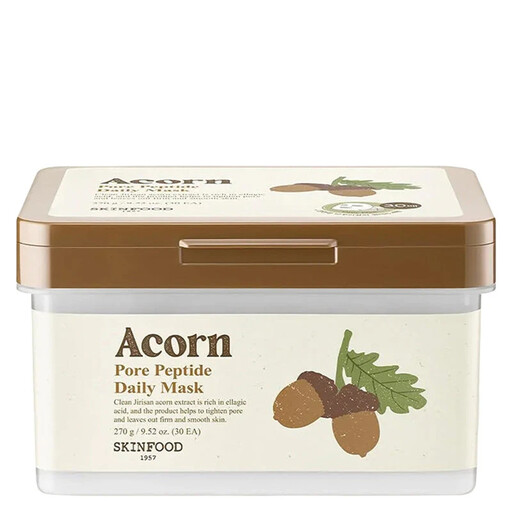
Why This Fits Their Persona: A 30-piece sheet-mask pack for users who prefer quick, consistent skincare rather than a traditional clay treatment.
It is positioned as a daily hydrating and balancing sheet mask, rather than being mistaken for an intensive blackhead removal mask.
Includes niacinamide, betaine, glycerin and a peptide complex; lightweight sheet material is designed for 10–20-minute applications.
We have compiled a complete, real-time list of products that fully satisfy these strict selection criteria and UK safety regulations.
Do not squeeze blackheads aggressively or combine several strong exfoliating products in one routine. If persistent acne, painful blemishes or ongoing irritation is a concern, consider seeking advice from a qualified healthcare professional.
Most clay, charcoal and exfoliating masks are intended for once or twice weekly use. Daily use is generally more appropriate for hydrating sheet masks, provided the product instructions and your skin’s tolerance support it. Reduce frequency if you notice dryness, stinging or persistent redness.
Charcoal and clay can absorb surface oil, so skin may look temporarily cleaner and more matte after use. They do not permanently reduce pore size. For an enlarged-pore appearance linked to congestion, combine occasional masking with gentle cleansing and avoid abrasive scrubbing.
A clay mask may help absorb excess oil, while an exfoliating mask with salicylic acid or PHA may help loosen dead skin and pore debris. If you have sensitive or acne-prone skin, begin with one active approach rather than layering several acids, scrubs and masks together.