
24/7 Customer Support

Free returns

Same-day & Next-day Delivery

Quality Guaranteed

Unlock Your Welcome Offers: FREE Delivery | Up to 80% OFF | Free 30-day JoyPlus trial
Download the APP
Pore cleansing face masks can help remove excess surface oil, loosen everyday impurities and leave skin feeling smoother. However, choosing between a clay face mask, charcoal face mask, sheet mask or exfoliating face mask is not simply a matter of selecting the most dramatic marketing claim.
For UK shoppers, the main challenge is matching the formula to skin type and using it at a sensible frequency. A mask that leaves oily skin feeling temporarily matte may feel uncomfortable on dry cheeks, while a highly active blackhead face mask may be too demanding for sensitive skin.
A pore-minimising face mask may make pores look less noticeable after absorbing oil or smoothing the skin surface. It cannot permanently remove pores, and “tightening” language often describes a temporary visual effect. Look instead for practical details such as clay type, exfoliating ingredients, application time and whether the product is intended for the whole face or targeted areas.
A formula containing several clays, charcoal, acids and physical particles may sound comprehensive, but combining too many cleansing actions can leave skin feeling dry or irritated. This is particularly relevant if you already use exfoliating toners, retinoid products or blemish treatments.
A suitable face mask for oily skin may need oil-absorbing ingredients, while a face mask for combination skin may work better when applied only to the T-zone. Avoid using a mask on broken, sunburnt or visibly irritated skin.
A large jar may offer more applications, but it requires clean hands or a spatula and careful storage. Single-use Korean face masks are convenient and hygienic for occasional hydration, while a stick mask is easier to apply without making a bathroom counter messy. Check the net weight, number of sheets and recommended use before comparing prices.
Kaolin is commonly used to absorb surface oil and is often suitable for combination or oily skin. Bentonite, hectorite and other mineral clays can provide a more absorbent feel. Charcoal powder is another frequently used ingredient in a charcoal face mask, although its presence does not automatically indicate a stronger or more suitable product.
Ingredient lists are arranged broadly by concentration, but product performance depends on the complete formula. Glycerin, panthenol, betaine, squalane or plant oils may help make a clay treatment feel less drying.
An exfoliating face mask can use chemical exfoliants such as salicylic, glycolic or lactic acid, physical particles such as silica or plant powders, or both. If blackheads and rough texture are your main concerns, check whether the product contains exfoliating ingredients and follow its stated contact time.
Do not scrub aggressively when rinsing. Physical particles can be unsuitable for easily irritated skin, particularly when combined with acids or essential oils.
Most wash-off face mask formulas are designed to remain on the skin for approximately five to 15 minutes. Leaving a clay formula until it becomes completely hard and cracked does not necessarily improve cleansing and may increase tightness.
For regular care, one or two applications per week is a practical starting point. A hydrating face mask or gentle sheet mask may be used more frequently if the packaging allows, but always follow the product directions.
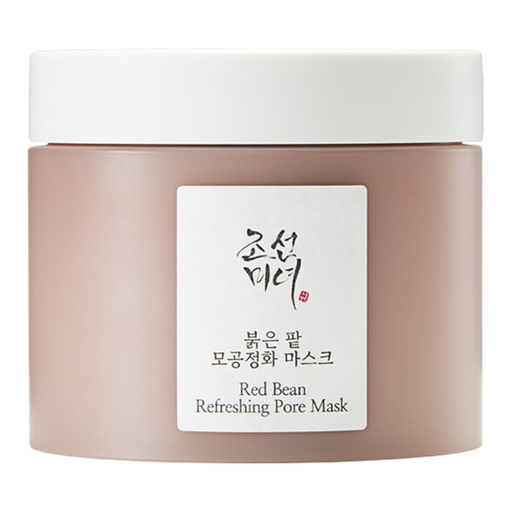
Why This Fits Their Persona: A 140ml wash-off format suits shoppers seeking a straightforward weekly treatment without committing to individual sheet masks.
Its stated 5–10-minute use time helps avoid leaving a clay mask on until it becomes uncomfortably dry.
Contains kaolin and red bean powder; the wash-off formula is intended for weekly use and gentle massage during rinsing.
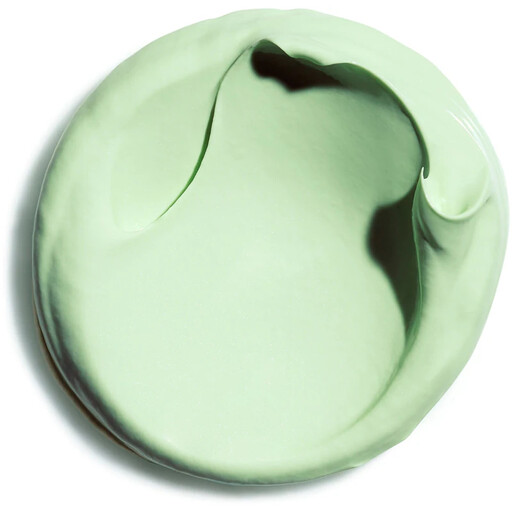
Why This Fits Their Persona: A 75ml creamy treatment is suited to combination-to-oily skin users who prefer a shorter, clearly defined masking routine.
The directions specify a 10-minute application and once- or twice-weekly use, making frequency easier to control.
Uses white and green clays in a creamy texture; the product is specifically described for combination to oily skin.
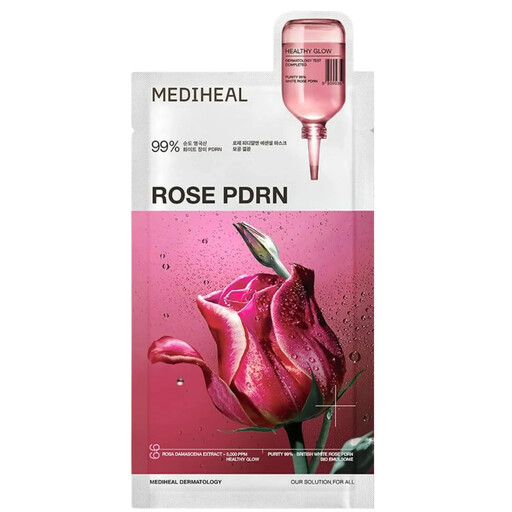
Why This Fits Their Persona: The 10+1 sheet pack works for shoppers who prefer pre-portioned treatments for regular home skincare.
The single-use format avoids estimating portions from a jar and does not require rinsing after the stated 10–20-minute application.
Includes rose ingredients, glycerin, panthenol, squalane and ceramide NP; remaining essence is patted into the skin.
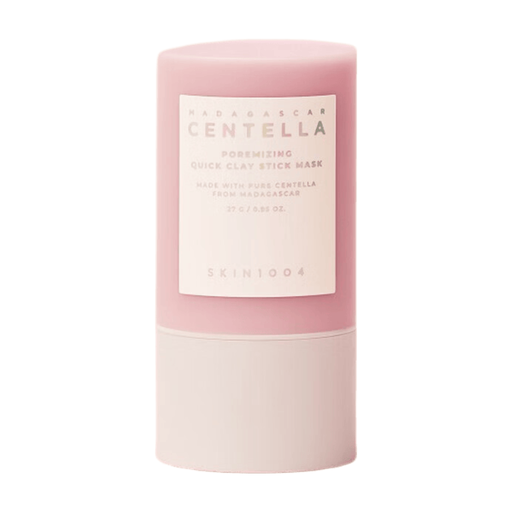
Why This Fits Their Persona: The twist-up stick is practical for targeted T-zone use, travel or quick applications in a compact bathroom routine.
Its instructions recommend three to five minutes and advise against letting the clay dry completely, helping limit overuse.
Contains kaolin, bentonite and centella asiatica extract; designed for once- or twice-weekly use on oily or combination skin.
We have compiled a complete, real-time list of products that fully satisfy these strict selection criteria and UK safety regulations.
For most clay, charcoal and exfoliating formulas, once or twice weekly is a sensible starting point. Follow the product directions and reduce frequency if skin feels tight, flaky or uncomfortable.
Some are, but suitability depends on the full formula rather than the product category. Fragrance, essential oils, acids and physical particles may be concerns for some users. A gentler hydrating face mask or soothing sheet mask may be more appropriate, and patch testing is advisable.
They may help loosen surface debris and absorb excess oil, which can make pores look clearer temporarily. They do not permanently remove pores or guarantee that blackheads will not return. Consistent, gentle skincare and avoiding aggressive squeezing are more practical approaches.