
24/7 Customer Support

Free returns

Same-day & Next-day Delivery

Quality Guaranteed

Unlock Your Welcome Offers: FREE Delivery | Up to 80% OFF | Free 30-day JoyPlus trial
Download the APP
Pore-cleansing face masks can help skin feel fresher, less oily and smoother after use, but choosing the wrong formula may leave your face tight, irritated or still congested. Marketing terms such as “detox”, “deep cleanse” and “pore minimising” do not always explain how a product works or whether it suits your routine.
Before buying, check the formula, application time and format rather than relying on claims alone. The following guide highlights common pitfalls, key specifications and our top recommendations for different skin concerns.
A pore-minimising mask may temporarily reduce the appearance of pores by absorbing surface oil and smoothing the skin. However, pores do not permanently close or disappear. Look for realistic benefits such as reduced shine, a cleaner-feeling T-zone and a smoother-looking texture.
A charcoal face mask or clay mask for oily skin can be useful for absorbing excess sebum, but more active ingredients are not automatically more suitable. Clay, charcoal, AHAs and BHAs may feel drying or irritating when used too often, particularly on sensitive or dehydrated skin.
A formula containing moisturising ingredients such as glycerin, panthenol, squalane or hyaluronic acid may be more comfortable. If you are considering a face mask for acne-prone skin, remember that a cosmetic mask is not a substitute for prescribed treatment or advice from a healthcare professional.
Some wash-off masks require a sink, a cloth and several minutes of rinsing. Others are supplied as sheets or convenient sticks. A product that does not fit your routine may be left unused, regardless of its ingredient list.
Check the recommended contact time, frequency, packaging hygiene and storage instructions. Do not leave a mask on longer than directed in the hope of improving its effect.
For excess oil and visible congestion, kaolin, bentonite, illite and other clays can absorb sebum. Charcoal is also used in deep-cleansing face masks to bind with surface impurities, although it should not be treated as a guarantee of improved skin health.
AHAs such as glycolic or lactic acid and BHAs such as salicylic acid provide exfoliating functions. Combining acids with clay may suit oily or rough-textured skin, but it can be less comfortable for reactive skin. Red bean powder, for example, offers a gentler physical exfoliating option in some Korean face masks.
For a more hydrating finish, look for glycerin, panthenol, ceramides, squalane or sodium hyaluronate. A hydrating sheet mask may be more suitable when the main concern is tightness or dullness rather than heavy oiliness.
A short-use product can be easier to incorporate consistently. The Skin 1004 stick mask is directed for three to five minutes, while several wash-off formulas in this selection recommend approximately five to 15 minutes. Sheet masks commonly remain on the skin for 10 to 30 minutes.
Follow the packaging directions and start with once-weekly use if your skin is sensitive. Applying several exfoliating products in the same routine may increase the chance of discomfort.
Wash-off masks offer control over where you apply the product, making them useful for combination skin. Apply clay only to the oilier forehead, nose and chin if your cheeks become dry. Stick formats can reduce mess and avoid repeatedly dipping fingers into a jar, while sheet masks provide quick, even coverage.
Always check the full ingredient list for known sensitivities, fragrance and essential oils. Patch testing is sensible before first use. Avoid the eye area, broken skin and active irritation, and stop using a product if persistent redness, swelling, itching or discomfort occurs.
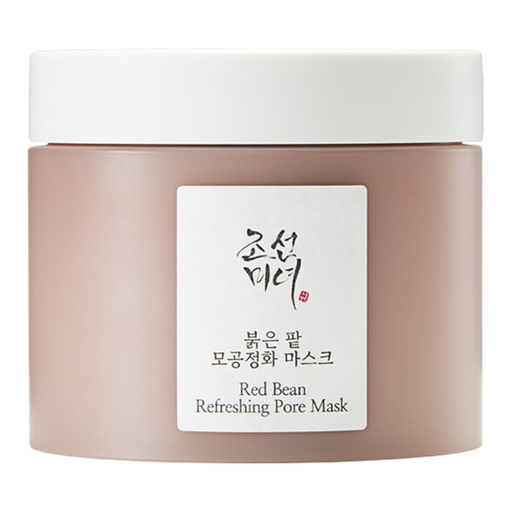
Why This Fits Their Persona: A practical wash-off option for shoppers starting a weekly pore-care routine without choosing a highly active formula.
The recommended five-to-10-minute application helps avoid unnecessarily long contact. Red bean powder and kaolin provide cleansing and mild exfoliation without relying on charcoal alone.
140ml wash-off format; includes red bean extract, red bean powder and kaolin.
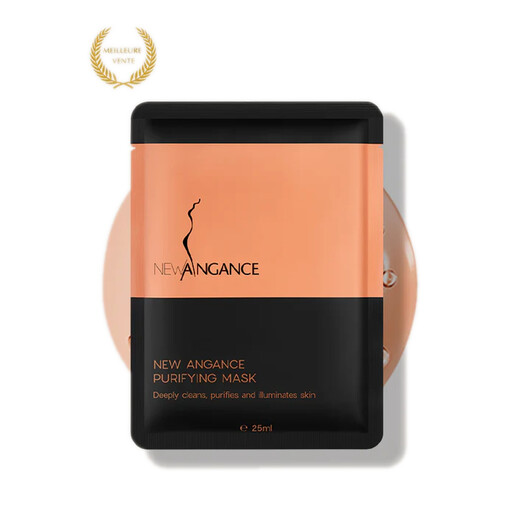
Why This Fits Their Persona: A multi-pack sheet format for shoppers who prefer a measured, ready-to-use treatment with no bowl or rinsing.
Its directions specify 20 to 30 minutes and two to three uses per week, helping set clear expectations instead of encouraging prolonged wear.
Ten 25ml sheets; contains charcoal, niacinamide, glycerin and sodium hyaluronate.
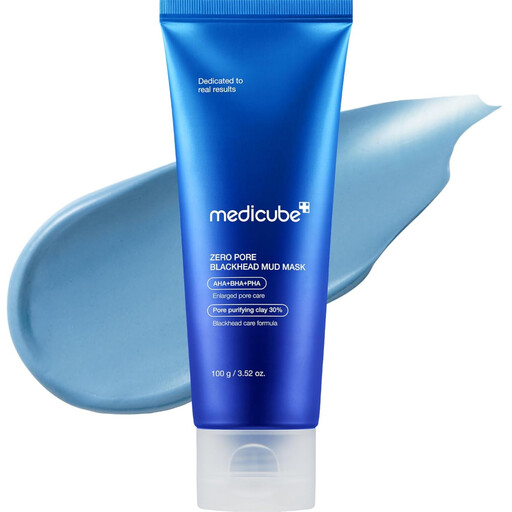
Why This Fits Their Persona: Suitable for shoppers specifically comparing a face mask for blackheads, visible oil and rough texture.
The ingredient list clearly identifies kaolin, bentonite, glycolic acid and salicylic acid, so buyers can assess its combined cleansing and exfoliating profile.
100g mud texture; includes hyaluronic acid, allantoin and vitamin E alongside clay and acids.
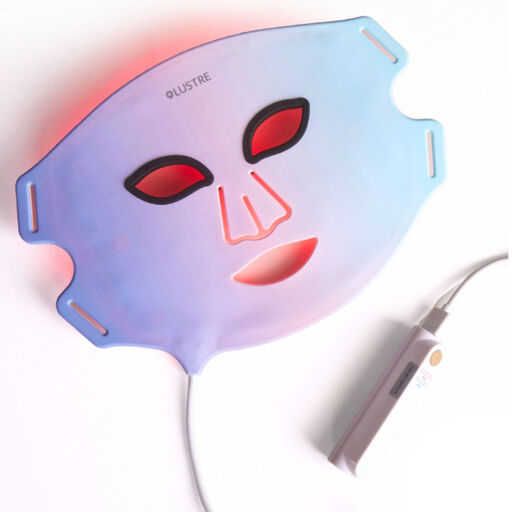
Why This Fits Their Persona: A cordless, reusable option for adults who prefer a short at-home device session over a wash-off or sheet mask.
It specifies red 640nm and blue 465nm LEDs, a 10-minute automatic shut-off and built-in eye protection rather than leaving treatment time unclear.
Rechargeable silicone design; dual light modes and 66 LED bulbs. Follow the supplied contraindications before use.
We have compiled a complete, real-time list of products that fully satisfy these strict selection criteria and UK safety regulations.
A clay, charcoal or mud mask may suit oily or combination skin because these formats are designed to absorb excess surface oil. If congestion is accompanied by sensitivity or dryness, choose a shorter-contact formula and apply it only to the T-zone.
Many products recommend once or twice weekly, while some sheet masks specify more frequent use. Follow the individual packaging directions rather than applying every mask at the same frequency. Reduce use if your skin feels tight, flaky or uncomfortable.
An LED face mask has a higher initial purchase cost but is rechargeable and reusable. Disposable sheet masks and wash-off products have a lower entry cost but need replacing. Compare the stated session time, charging requirements and how regularly you expect to use the product before deciding which format offers better value for your routine.