
24/7 Customer Support

Free returns

Same-day & Next-day Delivery

Quality Guaranteed

Unlock Your Welcome Offers: FREE Delivery | Up to 80% OFF | Free 30-day JoyPlus trial
Download the APP
Pore cleansing products can help remove excess oil, make-up residue and surface debris, but choosing the wrong formula may leave skin feeling tight, irritated or even more congested. Shoppers with oily, combination or acne-prone skin often face three common marketing traps.
First, a product described as “deep cleansing” is not automatically suitable for daily use. Strong acids, abrasive particles and highly absorbent clays can be uncomfortable when used too often. Secondly, visible pores cannot be permanently erased: their appearance is influenced by oil production, skin texture and genetics. A suitable routine may make them look less noticeable, but claims of permanent pore closure deserve caution. Finally, “natural” does not always mean gentle. Essential oils, fragrance and botanical extracts can still cause sensitivity.
The practical approach is to match the product format and active ingredients to your skin’s needs, then introduce one new product at a time.
Salicylic acid skincare is commonly selected for oily or congested skin because salicylic acid is oil-soluble and can work within the pore lining. It is found in some cleansers, exfoliating toners, pads and blackhead removal products.
Physical exfoliators, such as face scrubs for oily skin, use particles or textured ingredients to polish the skin’s surface. These can be useful for occasional roughness, but rubbing firmly or using them alongside several acid products may increase discomfort. Look for clear usage instructions and avoid treating a scrub as a daily necessity unless your skin tolerates it.
Alpha hydroxy acids, including glycolic acid, work mainly on the skin’s surface and may be useful for uneven texture. Higher-strength formulas require more careful introduction and consistent daytime sun protection.
A cleanser is rinsed away quickly, while a toner, pad, ampoule or peel remains on the skin for longer. This affects how frequently it should be used.
Clay face masks generally work as weekly treatments rather than replacements for a daily cleanser. Follow the stated contact time, and do not wait for a mask to become uncomfortably dry and tight. Some wash-off products recommend one or two applications per week, while stronger leave-on exfoliants may begin at once weekly.
For UK shoppers, a simple routine is often easier to maintain:
Check whether the product contains fragrance, essential oils, alcohol denat., exfoliating acids or physical particles if your skin is sensitive. A product labelled “non-irritation tested” or “allergy tested” may still not suit every individual, so a patch test is sensible.
For products sold in the UK, check the packaging for the ingredient list, batch information, usage instructions and warnings. Cosmetic products should be used only as directed. Avoid applying pore-cleansing skincare to broken, sunburnt or inflamed skin, and keep products away from the eyes.
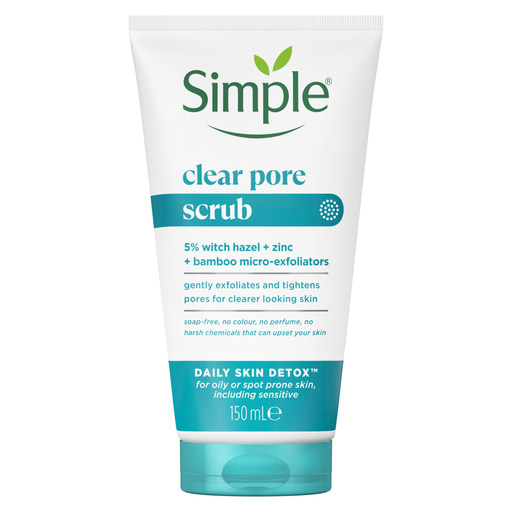
Why This Fits Their Persona: A straightforward option for shoppers starting a pore-care routine and wanting a rinse-off product rather than a leave-on acid.
The instructions specify use no more than two to three times weekly, helping prevent the common mistake of overusing a physical exfoliator.
Contains bamboo micro-exfoliators, zinc PCA, niacinamide and panthenol; the formula is listed as vegan-friendly and free from perfume.
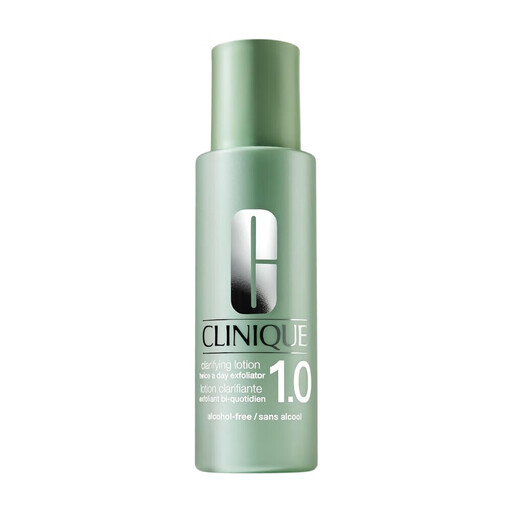
Why This Fits Their Persona: Suits shoppers looking for an alcohol-free liquid exfoliator with a clearly defined place after cleansing.
Its product information identifies it as extra-gentle and alcohol-free, while still advising users to stop if irritation or discomfort occurs.
Includes salicylic acid, acetyl glucosamine, glycerin and sodium hyaluronate; it is designed for use with a cotton pad and is not rinsed off.
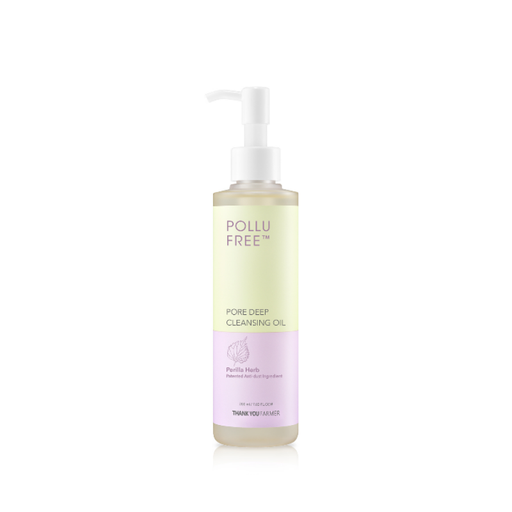
Why This Fits Their Persona: A practical first step for people wearing daily sunscreen, make-up or spending time in polluted urban environments.
It is used on dry hands and a dry face, then emulsified with water. This makes the cleansing method clear rather than relying on vague “pore detox” language.
Designed to dissolve make-up, sunscreen and surface impurities; the 200ml format is suitable for regular double-cleansing routines.
We have compiled a complete, real-time list of products that fully satisfy these strict selection criteria and UK safety regulations.
Use a gentle cleanser as your foundation. Dr. Jart+ Pore Remedy Renewing Foam Cleanser contains glycerin and panthenol and is positioned as a daily amino-based cleanser. It may suit users who want a foaming wash without a deliberately abrasive texture.
For weekly care, the Axis-Y Mugwort Pore Clarifying Wash Off Pack combines kaolin and bentonite with mugwort extract, adzuki bean powder and humectants. Apply an even layer to clean, dry skin, leave it for the stated time and rinse thoroughly. Do not use it on irritated or broken skin.
If blackheads remain a concern, introduce a salicylic acid product gradually rather than combining several exfoliants immediately. Korean pore care products such as wash-off masks, toner pads and lightweight ampoules can be effective additions, but the routine should remain simple enough to monitor.
It depends on the format and your skin’s tolerance. A gentle cleanser may be used daily, while a clay mask or physical scrub is generally better suited to occasional use. Start exfoliating toners or pads less frequently than the packaging maximum, then adjust only if your skin remains comfortable.
No cosmetic product can permanently remove pores. Cleansing and exfoliation may reduce the appearance of oil, build-up and uneven texture, making pores look less prominent temporarily or with continued routine use. Persistent acne or painful, inflamed spots should be discussed with a qualified healthcare professional.
A cleansing oil can be useful for removing sunscreen and make-up, including on oily skin. Emulsify it with water and rinse thoroughly. If residue remains or congestion worsens, discontinue it and choose a different cleanser. Always check the ingredient list for known personal triggers.