
24/7 全天候客户支持

免费退货

当日/次日达

品质保障

开启新人专享福利: 全场免邮 | 低至 2 折 | 免费试用 30 天 JoyPlus 会员
下载 Joybuy
Congested pores, excess shine, blackheads and uneven texture can make skincare shopping confusing. A product may promise a “deep clean” yet leave your skin tight, flaky or more reactive. Another may contain a long list of botanical extracts but offer little practical help for oily or combination skin.
As the Joybuy Product Recommendation Officer, I focus on separating useful product information from marketing language. The right pore-cleansing routine is not necessarily the strongest one. It should match your skin type, preferred format and tolerance for exfoliating ingredients.
A face wash that leaves your skin feeling squeaky or tight may be removing too much surface oil. This can be uncomfortable for sensitive skin and may make it harder to maintain a balanced routine. Look for glycerin, amino-acid surfactants, panthenol or soothing extracts alongside cleansing ingredients.
Using a salicylic acid cleanser, exfoliating face scrub, clay mask for clogged pores and acid serum in the same routine can be excessive. AHA, BHA, PHA, LHA and physical particles all contribute to exfoliation. Introduce one exfoliating product at a time and follow the instructions on the packaging.
Pore size cannot be permanently removed with skincare. However, cleansing excess sebum and loosening surface build-up may make pores look less noticeable temporarily. Be cautious with products promising instant or permanent pore elimination, particularly where the ingredient percentages and usage instructions are unclear.
Choose the format based on how much care your skin needs:
Salicylic acid, a BHA, is oil-soluble and commonly selected for oily or combination skin. The products in this guide include concentrations ranging from 0.5% to 2%, while some formulas use willow bark extract instead. These are not interchangeable on a percentage-for-percentage basis, so always check the full ingredient list.
AHA, such as glycolic or lactic acid, works mainly on surface texture. PHA, such as gluconolactone, is often chosen by shoppers seeking gentler exfoliation. Clay ingredients including kaolin and bentonite absorb surplus oil, while niacinamide is commonly included in pore-refining skincare for its skin-conditioning and tone-evening properties.
A formula can be effective yet unsuitable for your preferences. Check for parfum, essential oils, alcohol and exfoliating particles if your skin is easily irritated. Products labelled for acne-prone skincare are not automatically suitable for every person with breakouts. Patch testing is sensible, and no exfoliating product should be applied to broken, sunburnt or inflamed skin.
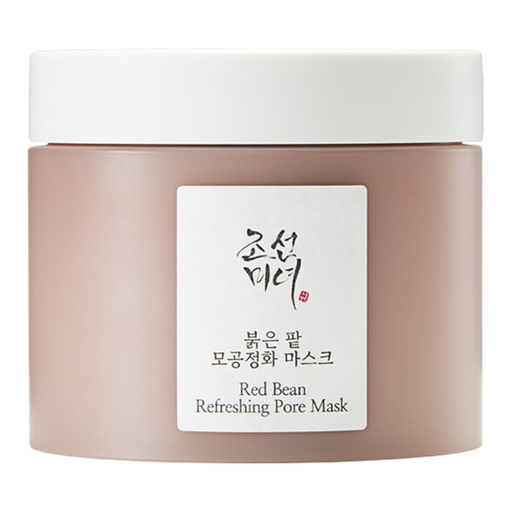
Why This Fits Their Persona: A straightforward weekly option for shoppers starting a Korean skincare for pores routine without adding another daily cleanser.
Its instructions specify 5–10 minutes and advise against letting the mask dry completely, helping reduce unnecessary tightness.
Contains kaolin, red bean extract and red bean powder; designed for once- or twice-weekly use.
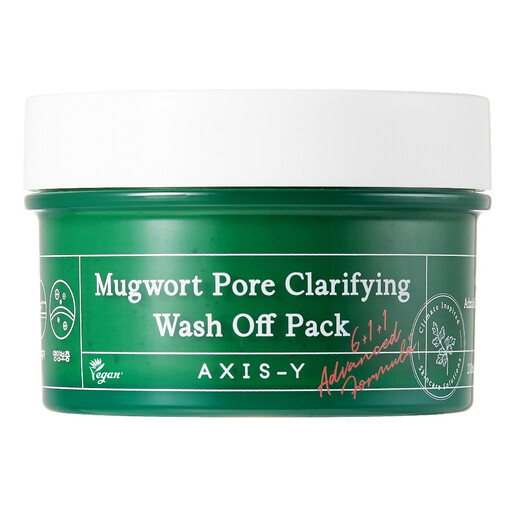
Why This Fits Their Persona: A considered wash-off treatment for congested or combination skin that also wants a cooling, comforting masking step.
It combines clay and charcoal with mugwort, oat, kelp and hyaluronic acid rather than relying on a single oil-absorbing ingredient.
Contains 61% mugwort extract, kaolin, bentonite and adzuki bean powder; supplied with a spatula.
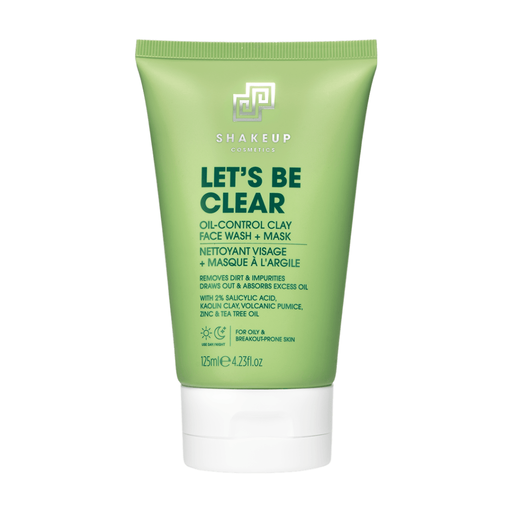
Why This Fits Their Persona: Useful for shoppers who want one product for regular cleansing and occasional deeper care, particularly with oily T-zones.
The dual-use instructions separate daily washing from a 3–5 minute mask application, making frequency easier to control.
Contains 2% salicylic acid, kaolin, volcanic pumice and Zinc PCA in a 125ml format.
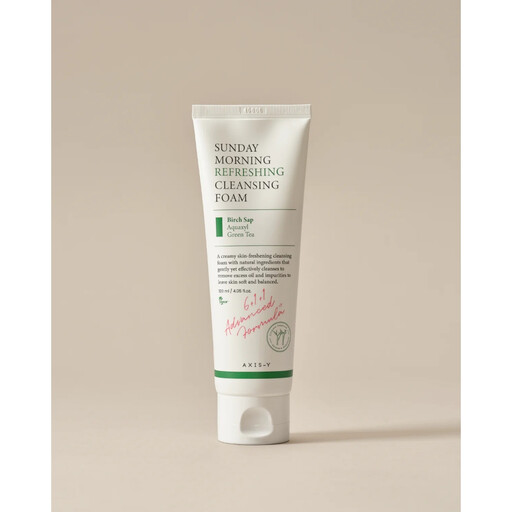
Why This Fits Their Persona: A rinse-off option for people seeking gentler exfoliation for dullness and surface texture rather than a daily acid cleanser.
Its instructions give a defined 10–15 minute contact time and advise against use on irritated or damaged skin.
Uses 10% gluconolactone, a PHA, with centella, cucumber, apple, grape and plum extracts.
We have compiled a complete, real-time list of products that fully satisfy these strict selection criteria and UK safety regulations.
For oily and combination skin, begin with a gentle cleanser once or twice daily, then add one targeted treatment. A clay mask can be used weekly on the T-zone, while a serum may be applied to address uneven tone. Avoid using a scrub and acid peel on the same evening.
Always follow exfoliation with moisturiser, and use broad-spectrum sunscreen during the day. Stop using a product if persistent stinging, swelling, itching or a rash develops. For severe or ongoing acne, consult a qualified healthcare professional rather than relying solely on cosmetic products.
Start with once weekly for masks, peels and stronger exfoliators. Daily cleansers should still be used according to their label instructions, but reduce frequency if your skin becomes tight or uncomfortable.
They can be, but application time matters. Choose a formula with moisturising or soothing ingredients, avoid letting it dry fully where instructed, and patch test before applying it to the face.
It may be possible for tolerant skin, but introducing both at once makes irritation harder to identify. Start with one product, use it at the stated frequency and add the second only if your skin remains comfortable.