
24/7 Customer Support

Free returns

Same-day & Next-day Delivery

Quality Guaranteed

Unlock Your Welcome Offers: FREE Delivery | Up to 80% OFF | Free 30-day JoyPlus trial
Download the APP
If your T-zone becomes shiny by lunchtime, your nose feels rough or foundation settles into enlarged pores, choosing the right pore-clearing skincare products can be difficult. Product labels often promise deep cleansing, detoxification and smoother-looking skin, but the formula and usage instructions matter more than dramatic wording.
The most useful approach is to match the product type to your skin’s needs, check the active ingredients and avoid combining too many exfoliating steps.
A tight, hot or strongly tingling feeling does not necessarily indicate effective blackhead removal. It may simply reflect a high level of exfoliation, fragrance or drying ingredients. Oily skin can still become uncomfortable and dehydrated after aggressive cleansing, potentially making your routine harder to maintain.
Look for clear instructions, a reasonable contact time and moisturising ingredients such as glycerine, panthenol or hyaluronic acid.
A salicylic acid cleanser, exfoliating face scrub, acid toner, peel and clay mask may all sound useful individually. Used together, however, they can create an unnecessarily demanding routine. Choose one principal exfoliating product first, then add other steps only if your skin remains comfortable.
Physical particles also require care. Scrubbing harder or more frequently is not a reliable solution for clogged pores.
Clay and charcoal products can absorb surface oil, leaving skin looking less shiny temporarily. They cannot change pore structure permanently. The appearance of enlarged pores is influenced by oil levels, skin texture and natural characteristics, so consistent, gentle pore care is more realistic than a one-use transformation.
For pore care, salicylic acid and betaine salicylate are commonly used exfoliating ingredients. Clay, kaolin, bentonite and charcoal can help absorb excess sebum. Niacinamide is often included in formulas aimed at oily skin and uneven-looking tone.
Also check for barrier-supporting ingredients. Glycerine, panthenol, allantoin, centella and hyaluronic acid can make a clarifying routine feel more comfortable. If you are sensitive to fragrance or essential oils, review the full INCI list rather than relying on front-label claims.
A wash-off mask is not necessarily more effective when left on until it becomes completely dry and tight. Follow the stated time, rinse with lukewarm water and moisturise afterwards. Introduce new exfoliating products gradually, especially if you have acne-prone skin or are already using retinoids or other active products.
Patch testing is sensible. Do not apply these products to broken, sunburned or severely irritated skin, and stop use if persistent stinging, swelling, itching or rash develops.
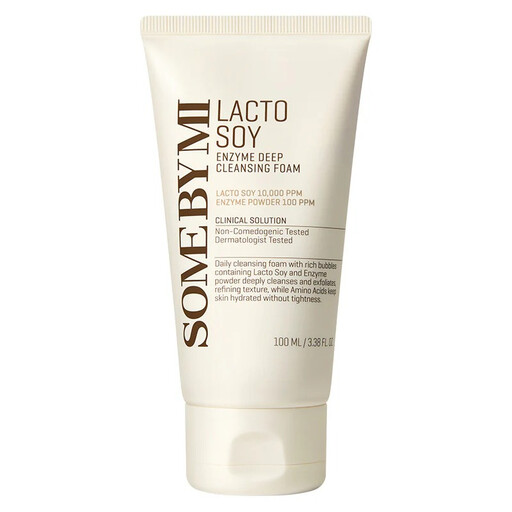
Why This Fits Their Persona: A practical starting point for shoppers who want one creamy cleanser for everyday use, with an optional weekly enzyme-mask format.
The dual-use format helps avoid buying separate daily and occasional cleansing products, while the formula includes moisturising ingredients alongside papain enzyme.
Cream-to-foam texture; includes multiple hyaluronic acid forms and amino acids; 100ml tube.
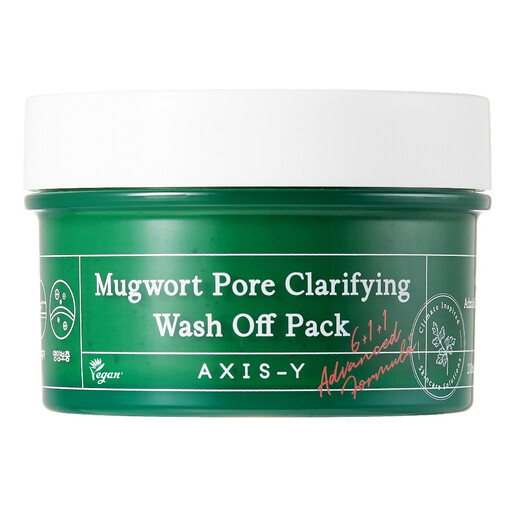
Why This Fits Their Persona: Suitable for shoppers looking for a Korean skincare wash-off treatment with a botanical-led formula and a considered masking ritual.
Its instructions specify approximately 15 minutes and one to two uses weekly, helping prevent the common mistake of leaving a clay face mask on until excessive tightness develops.
Contains mugwort extract, kaolin, bentonite, charcoal and adzuki bean powder; includes sodium hyaluronate and beta-glucan.
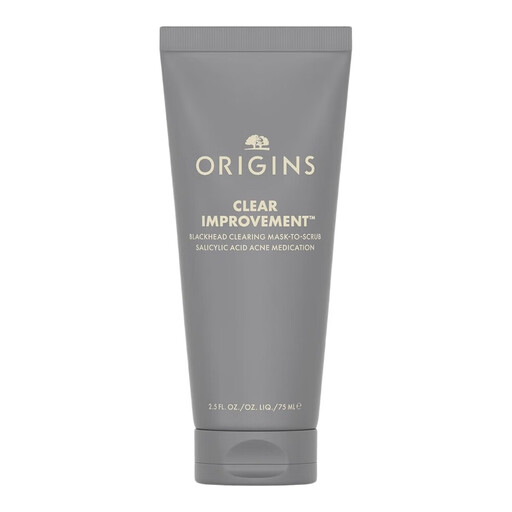
Why This Fits Their Persona: Designed for users who want a targeted weekly treatment for oily areas, visible blackheads and uneven surface texture.
The ingredient list openly combines salicylic acid, clay, charcoal and physical exfoliating materials, making it easier to recognise that this is an active treatment rather than a basic mask.
Combines salicylic acid with kaolin, montmorillonite, charcoal, konjac root and silica; intended for one to two weekly uses.
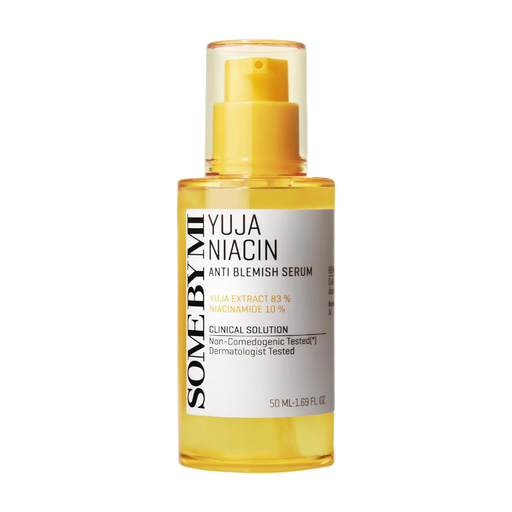
Why This Fits Their Persona: A lightweight follow-up option for oily or combination skin when the main concern is dull-looking tone and the appearance of post-blemish marks.
It is positioned as a serum rather than a pore-stripping cleanser, so it can complement gentle pore care without adding another scrub or mask to the routine.
Gel texture; lists 10% niacinamide and 83% yuja fruit extract; use after cleansing and toning.
We have compiled a complete, real-time list of products that fully satisfy these strict selection criteria and UK safety regulations.
Start with a gentle cleanser morning and evening, then introduce one targeted treatment. For example, use a clay face mask once weekly on the T-zone or choose an acid toner on alternate evenings. Avoid using an exfoliating face scrub on the same day as an acid peel or salicylic acid mask.
Finish with a suitable moisturiser. In the daytime, use sunscreen, particularly when your routine includes exfoliating acids. If blemishes are painful, persistent or worsening, consider seeking advice from a pharmacist or healthcare professional rather than repeatedly increasing exfoliation.
Some are, but suitability depends on the complete formula and frequency of use. Begin with a gentle cleanser or a short-contact wash-off product. Fragrance, essential oils, physical particles and exfoliating acids may not suit everyone, so patch test and reduce frequency if discomfort appears.
Many clay or charcoal masks are intended for once-weekly use, while some allow one to two applications weekly. Follow the product directions and rinse before excessive tightness develops. Applying a mask only to oily areas can be more comfortable than covering the entire face.
Skincare can help loosen buildup, absorb excess oil and improve the appearance of texture with consistent use. It cannot permanently remove pores or guarantee that blackheads will not return. Gentle cleansing, suitable exfoliation and avoiding aggressive squeezing are more sustainable choices.