
24/7 全天候客户支持

免费退货

当日/次日达

品质保障

开启新人专享福利: 全场免邮 | 低至 2 折 | 免费试用 30 天 JoyPlus 会员
下载 Joybuy
Visible pores, blackheads, excess shine and uneven skin texture can make skincare shopping confusing. Many products promise a “poreless” appearance, yet enlarged pores cannot be permanently erased with a cosmetic product. The more realistic aim is to reduce the look of congestion, manage surface oil, smooth texture and create a more even make-up base.
Before choosing from the many pore-minimising skincare products available in the UK, it is worth separating useful product features from marketing language.
A pore-blurring primer can make pores look less noticeable immediately by filling or optically diffusing uneven areas. This is useful before foundation, but it does not replace cleansing or targeted skincare. If a product is marketed as providing instant “pore tightening”, check whether the effect is simply a temporary mattifying or smoothing finish.
A clay mask for clogged pores may absorb excess sebum, while an exfoliating toner for pores can help loosen dead skin and surface build-up. Using both too frequently, however, may leave skin feeling tight, dry or uncomfortable. Oily and combination skin still needs hydration, particularly after a wash-off treatment.
Salicylic acid, alpha hydroxy acids, retinoids and textured delivery systems can all require careful use. Check the full ingredient list, directions and warnings rather than relying on claims such as “professional strength” or “instant results”. UK shoppers should also confirm that the packaging provides the required cosmetic information, including ingredients, precautions and responsible-person details where applicable.
For an enlarged pore treatment, look for ingredients that match the concern:
A formula containing several exfoliating ingredients is not automatically more suitable. Start gradually and avoid combining multiple strong exfoliants in the same routine.
Choose the format that fits your routine. A serum or pore-refining serum is convenient for daily targeted application. A pore-tightening ampoule may have a more concentrated feel and should be used according to its instructions. Clay masks are generally occasional treatments, while toners may be used more frequently if your skin tolerates them.
For busy mornings, a stick mask or primer can be more practical than a product that needs mixing or a long setting time.
Fragrance, essential oils, menthol, alcohol and exfoliating acids may not suit everyone. Read the ingredient list if your skin is reactive, and perform a patch test before applying a new product over the whole face. Also check the size: a 30ml ampoule and a 120g wash-off mask have different usage patterns and cost-per-application.
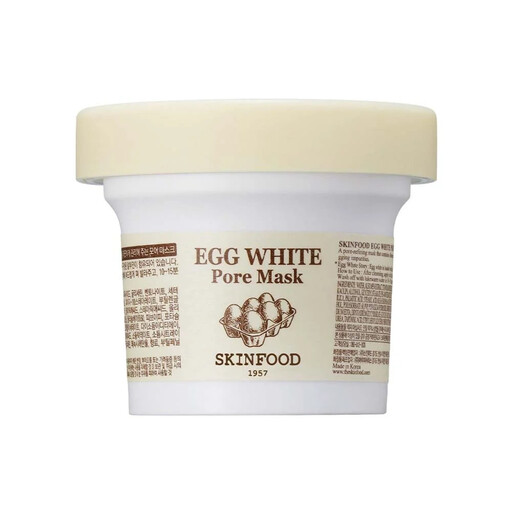
Why This Fits Their Persona: A straightforward wash-off option for shoppers beginning a weekly pore-care routine, particularly around an oily T-zone.
The ingredient list identifies kaolin and bentonite rather than relying only on vague detox language. Use it occasionally and rinse before the mask becomes uncomfortably dry.
120g format; includes kaolin, bentonite, panthenol and olive fruit oil.
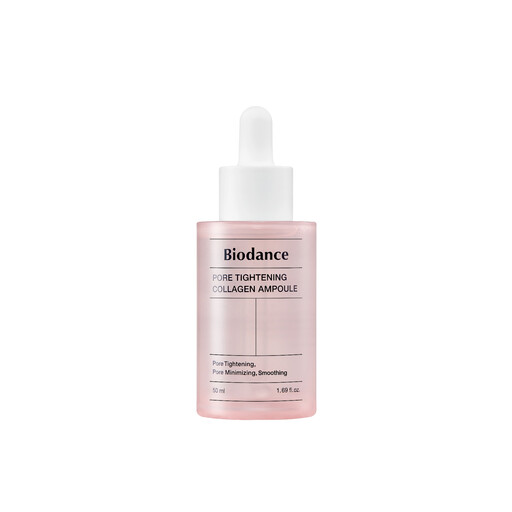
Why This Fits Their Persona: Suitable for those wanting a lightweight leave-on product that fits morning and evening skincare, including under make-up.
Its listed formula focuses on hydration and texture support alongside pore-focused positioning, rather than depending on a harsh stripping feel.
50ml ampoule; includes niacinamide, panthenol, allantoin and multiple hyaluronic acid ingredients.
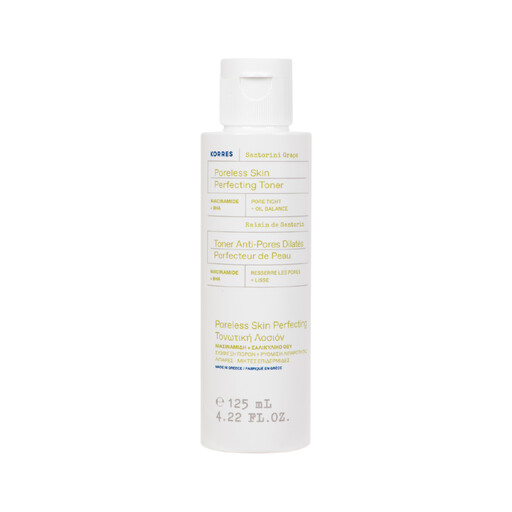
Why This Fits Their Persona: A practical choice for adults specifically comparing an exfoliating toner for pores and wanting a measured BHA step in their routine.
The product specifies 2% salicylic acid and advises starting every other day. That makes frequency easier to control than an unspecified “daily resurfacing” claim.
Contains 2% salicylic acid and niacinamide; directions include sunscreen use and patch testing.
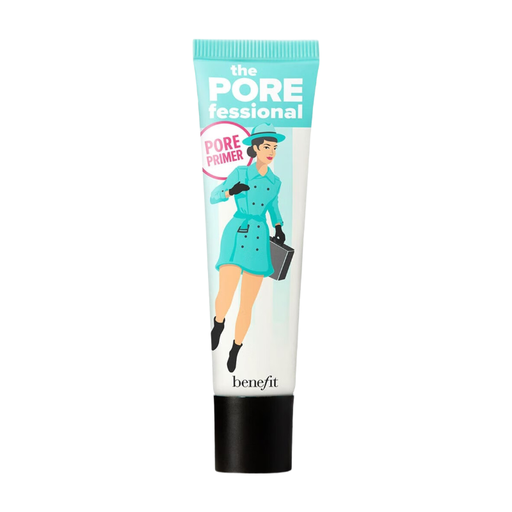
Why This Fits Their Persona: Designed for people who want an immediately smoother-looking base before foundation or a quick T-zone touch-up during the day.
It is positioned as a cosmetic blurring product, so expectations remain focused on application and appearance rather than permanent pore changes.
Lightweight translucent texture; can be applied before make-up or patted over make-up.
We have compiled a complete, real-time list of products that fully satisfy these strict selection criteria and UK safety regulations.
Keep the routine simple:
Avoid introducing several exfoliating products at once. If redness, itching, swelling or persistent stinging occurs, stop using the product and seek appropriate medical advice.
No cosmetic product can permanently remove pores. Products may reduce the appearance of pores temporarily through oil control, hydration, exfoliation or blurring pigments. Consistent, suitable use is generally more realistic than expecting an overnight transformation.
Begin with once weekly, particularly if the formula contains several clays, charcoal, fragrance or essential oils. Apply mainly to oily areas if your cheeks feel dry, and moisturise after rinsing.
You may be able to, but check the ingredients first. If both products contain acids or other potentially irritating actives, alternate them rather than layering them immediately. Patch test new combinations and reduce frequency if your skin feels uncomfortable.