
24/7 全天候客户支持

免费退货

当日/次日达

品质保障

开启新人专享福利: 全场免邮 | 低至 2 折 | 免费试用 30 天 JoyPlus 会员
下载 Joybuy
Visible pores, shine, blackheads and uneven texture can make skincare shopping surprisingly confusing. Many products promise “tightened” or “invisible” pores, but pores do not permanently open and close like doors. Their appearance is usually influenced by sebum, congestion, dehydration, skin texture and natural skin structure.
For UK shoppers comparing pore minimising skincare, the aim should be realistic: choose formulas that help remove excess oil, loosen surface build-up and keep skin hydrated without creating irritation.
Clay and charcoal can absorb surface oil, making skin look smoother immediately after rinsing. However, this visual effect may not last if the formula is too drying or if oil returns quickly. A tight, squeaky feeling is not automatically evidence of effective cleansing.
A salicylic acid toner, AHA essence, PHA pad and exfoliating ampoule may all sound useful individually. Used together, however, they can leave skin feeling dry, stinging or unusually reactive. This is particularly relevant for people looking for skincare for oily skin, because over-cleansing can encourage a cycle of dryness and shine.
Words such as “deep”, “professional” or “advanced” do not explain how a product fits into your routine. Check the ingredient list, recommended frequency, texture and warnings before purchasing. A simple pore refining skincare product used consistently may be more practical than several highly active products used irregularly.
For blackheads and clogged pores treatment, salicylic acid or betaine salicylate may be relevant because these ingredients are commonly used in exfoliating cosmetic formulas. For dullness and rough surface texture, AHAs such as glycolic or lactic acid may be considered. PHA, including gluconolactone, is often selected by shoppers seeking a milder exfoliating option.
Do not introduce several acids at once. Start according to the label directions and reduce use if your skin becomes uncomfortable.
Kaolin, bentonite and charcoal are common in a clay face mask designed to absorb excess sebum. Hydrating ingredients such as glycerin, panthenol, beta-glucan or hyaluronic acid can make a formula feel more comfortable afterwards.
For combination skin, applying a clay mask only to the T-zone may be more suitable than covering drier cheeks. Lightweight moisturisers and pore tightening serum formulas can also help avoid the dehydrated feeling that encourages over-application of mattifying products.
A wash-off mask may be intended for once- or twice-weekly use, while a toner, pad or serum may be designed for more frequent application. Follow the product instructions rather than leaving a mask on until it becomes uncomfortably tight.
Products containing AHA or BHA can increase sun sensitivity. Use broad-spectrum sunscreen during daytime and take extra care in strong sunlight. Patch-test new products, avoid broken or irritated skin, and stop use if persistent redness, swelling, itching or burning occurs.
The following options cover different routines rather than promising one universal solution.
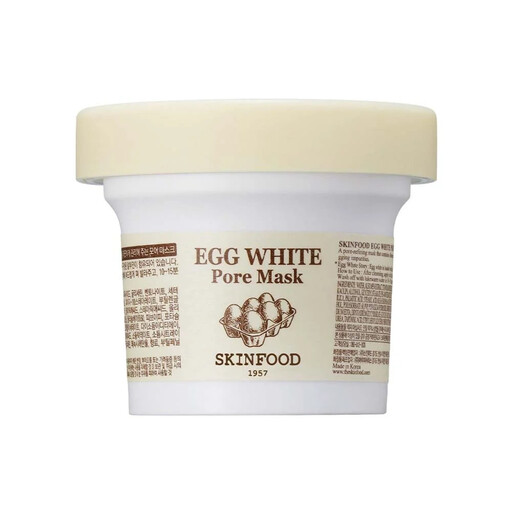
Why This Fits Their Persona: A straightforward weekly clay mask for shoppers starting a pore-care routine without adding several daily steps. It can suit an oily T-zone when used as directed.
Kaolin and bentonite are clearly listed, while panthenol, dipotassium glycyrrhizate and olive fruit oil provide supporting comfort-focused ingredients.
120g size; combines mineral clays with glycerin, panthenol and olive fruit oil. Rinse-off format limits daily overuse.
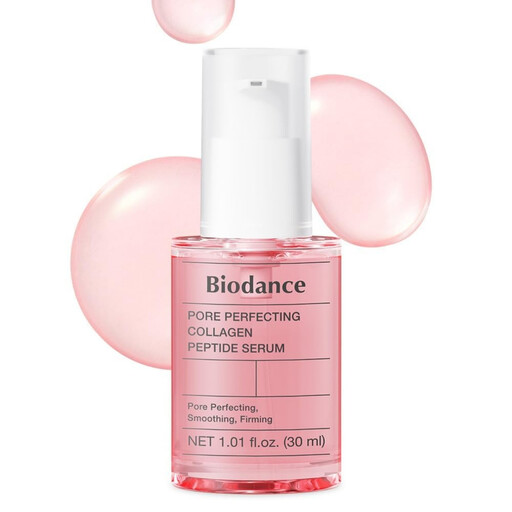
Why This Fits Their Persona: A lightweight daily serum for those prioritising hydration, skin feel and a smoother-looking make-up base alongside pore care.
Its advertised claims do not need to be taken at face value: the listed formula can be assessed directly, including collagen water, peptides, niacinamide, elastin and hyaluronic acid.
30ml dropper bottle; refreshing texture; includes panthenol, allantoin and multiple hyaluronic acid forms.
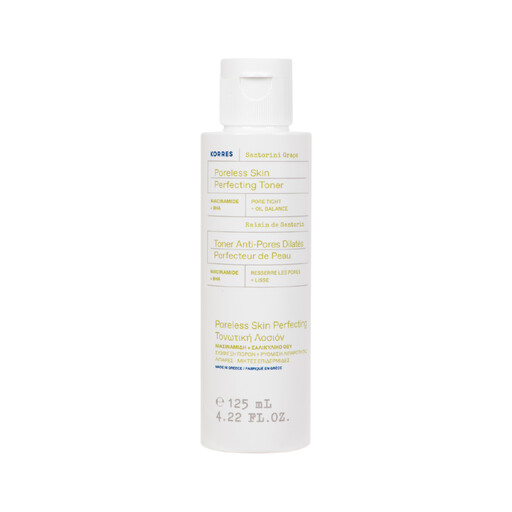
Why This Fits Their Persona: Suitable for shoppers wanting a dedicated exfoliating toner for oily areas, blackhead concerns and recurring congestion.
The formula identifies its acid level: 2% salicylic acid, alongside niacinamide and Santorini grape extract. The instructions advise starting every other day.
125ml size; leave-on formula; clear sun-exposure warning and patch-test guidance.
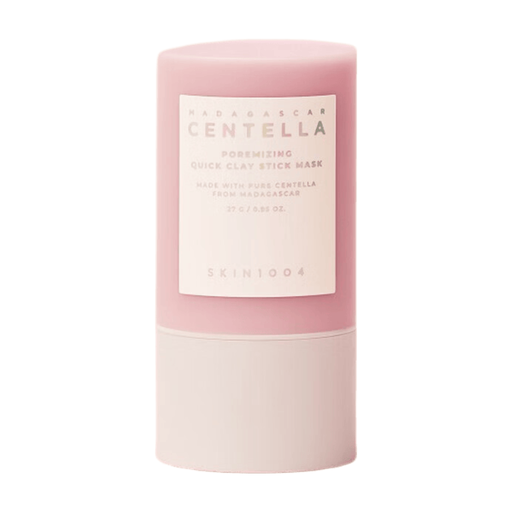
Why This Fits Their Persona: A convenient option for targeted T-zone use, especially when a full-face mask feels unnecessary or messy.
The directions specify a short 3–5 minute contact time and advise not allowing the clay to dry completely, reducing the temptation to overuse it.
Stick format; five clay types listed; includes 4.9% centella asiatica extract and aloe leaf extract.
A simple routine is easier to maintain:
Avoid using an exfoliating toner on the same evening as a strong exfoliating serum or clay mask until you understand how your skin responds. For persistent acne, painful inflammation or ongoing irritation, cosmetic pore products are not a substitute for medical advice.
We have compiled a complete, real-time list of products that fully satisfy these strict selection criteria and UK safety regulations.
No cosmetic product can permanently change the basic structure of pores. Pore minimising skincare may temporarily improve the way pores look by reducing surface oil, removing build-up and smoothing uneven texture. Consistent use is generally more realistic than expecting an immediate permanent change.
Many clay masks are intended for once- or twice-weekly use. Apply a thinner layer to oily areas, rinse according to the instructions and moisturise afterwards. If your skin feels persistently tight, flaky or irritated, reduce frequency or stop using the product.
Salicylic acid is commonly included in cosmetic products aimed at excess oil and congested pores, but suitability varies. Start slowly, avoid combining it immediately with other acids and use sunscreen during the day. Always check the current packaging instructions and ingredient list before use.