
24/7 全天候客户支持

免费退货

当日/次日达

品质保障

开启新人专享福利: 全场免邮 | 低至 2 折 | 免费试用 30 天 JoyPlus 会员
下载 Joybuy
Visible pores, blackheads, excess oil and uneven texture are common concerns, but choosing suitable pore care skincare products can be confusing. Marketing often presents pore-minimising skincare as a quick fix, when results usually depend on consistent cleansing, controlled exfoliation and realistic expectations.
Before buying an exfoliating face scrub, PHA exfoliant, pore refining serum or cleansing oil, check whether the product suits your skin type and routine. The right choice for oily skin may be too active for sensitive skin, while an intensive peel may be unnecessary if your main concern is sunscreen residue.
Pores do not open and close like doors. Their appearance can look more noticeable when they contain oil, dead skin or debris, and less noticeable when the surrounding skin surface is smoother and hydrated. Products can help improve the look of congestion and texture, but claims of permanently shrinking pores should be treated cautiously.
AHA BHA PHA skincare, toner pads, scrubs and peeling creams can all remove surface build-up. Using several in the same routine may increase dryness, tightness or irritation rather than improving skin clarity. Choose one main exfoliating approach first, then assess how your skin responds.
A strong scrub or foaming cleanser may leave skin feeling very clean, but that sensation does not necessarily indicate better long-term pore care. Over-cleansing can leave some people with uncomfortable tightness, while heavy oils and make-up residue may contribute to congestion if they are not emulsified and rinsed properly.
Always check the current packaging and full ingredient list. A familiar ingredient does not guarantee that a formula will suit every complexion.
Physical scrubs use particles or textured surfaces, while chemical exfoliants use acids. Physical exfoliation is easy to understand and rinse away, but vigorous rubbing can be uncomfortable on reactive skin. Chemical products still require careful frequency control, even when marketed as mild.
For example, a PHA exfoliant may be preferable to a stronger acid routine for some sensitive users, whereas a high-strength glycolic and retinol product should be approached gradually. Follow the stated directions rather than increasing use to chase faster results.
Products containing exfoliating acids can increase sensitivity to sunlight. Use a broad-spectrum sunscreen during the day and avoid applying exfoliants to broken, irritated or sunburnt skin. Patch testing is sensible, especially when trying Korean pore care products with multiple botanical extracts, essential oils or fragrance.
For cleansing oils, look for a formula that emulsifies with water. Massage onto dry skin, add water until it turns milky, rinse thoroughly and follow with a second cleanser if needed. This is particularly useful after long days wearing sunscreen or make-up.
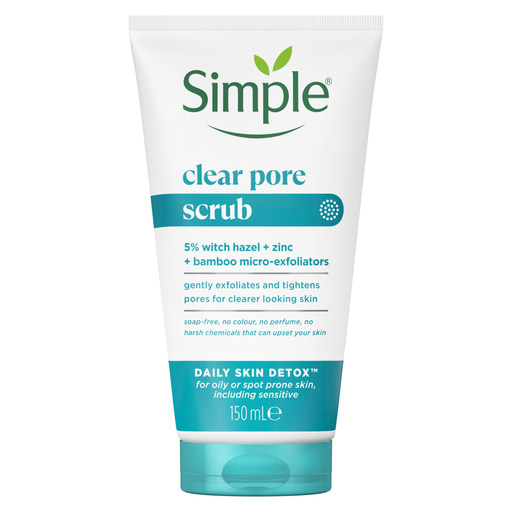
Why This Fits Their Persona: A straightforward wash-off option for shoppers starting a pore-care routine without adding several leave-on products.
Its directions specify use no more than two to three times weekly, helping avoid the common mistake of scrubbing every day.
Contains bamboo exfoliating material, zinc PCA, niacinamide and panthenol; the 150ml format is suitable for occasional use.
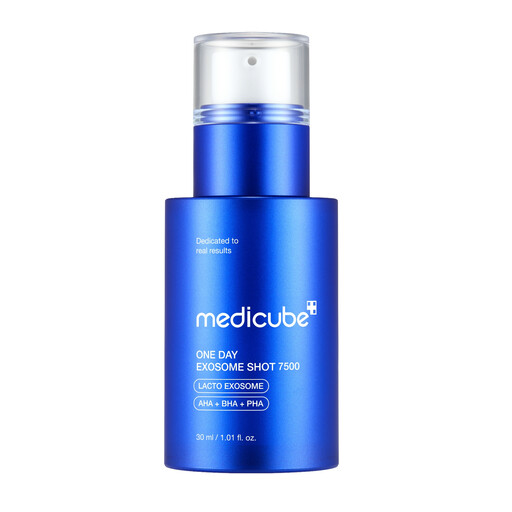
Why This Fits Their Persona: Suitable for shoppers wanting a concentrated ampoule step focused on the look of enlarged pores and uneven texture.
The instructions recommend use every three days, rather than treating a concentrated formula as an everyday exfoliator.
Lightweight 30ml ampoule containing niacinamide, panthenol, betaine salicylate and gluconolactone; avoid the eye area and follow the supplied precautions.
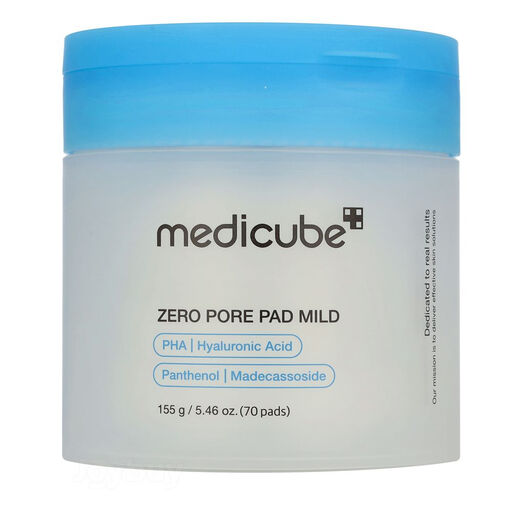
Why This Fits Their Persona: A measured pad format for users who prefer a controlled, low-effort exfoliating toner step.
PHA is used instead of relying on abrasive particles, and the two-sided pad helps limit pressure during application.
Includes 70 pads, gluconolactone, panthenol, allantoin and hyaluronic acid; apply moisturiser and daytime SPF as directed.
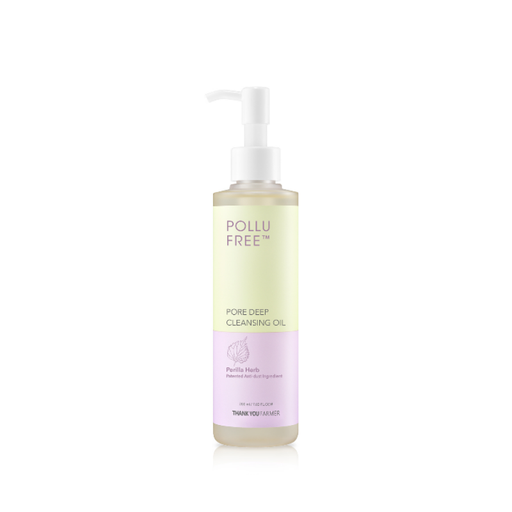
Why This Fits Their Persona: Practical for commuters, make-up users and anyone applying water-resistant sunscreen or spending time in polluted urban areas.
Its use instructions specifically cover dry-face application, water emulsification and rinsing, reducing the risk of leaving an oily film behind.
The 200ml oil is designed to dissolve make-up, sunscreen and surface impurities, then emulsify with water for rinsing.
We have compiled a complete, real-time list of products that fully satisfy these strict selection criteria and UK safety regulations.
A simple routine is often easier to maintain than a shelf full of active products:
Avoid using a strong glycolic-retinol peel pad alongside another exfoliating serum or scrub unless the product instructions and your skin tolerance clearly support it.
Look for a gentle cleanser, a product containing salicylic acid or betaine salicylate, and lightweight, non-comedogenic hydration. Avoid assuming that a drying or highly abrasive formula will control oil more effectively.
Blackhead removal products may loosen and remove surface build-up, helping blackheads look less noticeable. However, congestion can return as oil and dead skin accumulate, so consistent cleansing and moderate exfoliation are more realistic than a one-off treatment.
Follow the specific product instructions and start conservatively. A scrub may be limited to a few uses per week, while a PHA product or peeling cream may have a different schedule. Do not combine several exfoliating products at once, and use SPF during daytime acid care.