
24/7 Customer Support

Free returns

Same-day & Next-day Delivery

Quality Guaranteed

Unlock Your Welcome Offers: FREE Delivery | Up to 80% OFF | Free 30-day JoyPlus trial
Download the APP
As a Joybuy Product Recommendation Officer, my role is to help you navigate the crowded online marketplace. When it comes to sourcing ingredients for authentic Asian cuisine here in the UK, finding the right cut of pork can be a significant challenge. Many home cooks find their dishes lack the authentic texture and flavour they remember, often due to using the wrong type of meat. Let's look at the common pitfalls and how to avoid them.
The search for quality pork for Asian cooking in the UK often leads to a few common frustrations:
To ensure your cooking is a success, focus on these two key parameters. They are far more important than brand names or flashy packaging.
Different parts of the pig offer unique textures and fat content. Using the right Chinese pork cuts is the foundation of an authentic dish.
How the meat is prepared before it reaches you is just as crucial as the cut itself.
Based on these practical criteria, here are a few selections matched to specific home-cooking needs.
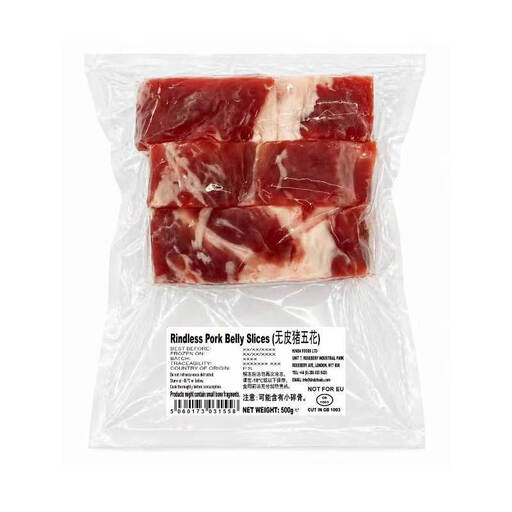
Why This Fits Their Persona: Perfect for those who love hosting social meals like hot pot or Korean BBQ. The pre-sliced format removes the most time-consuming prep step, allowing you to focus on your guests.
It directly solves the "wrong cut" problem. These are specifically pork belly, sliced to a thickness ideal for quick cooking, unlike generic supermarket pork that is too thick and lean.
Rindless for easy eating and expertly sliced for convenience. The balanced fat-to-meat ratio ensures a juicy, tender result every time.
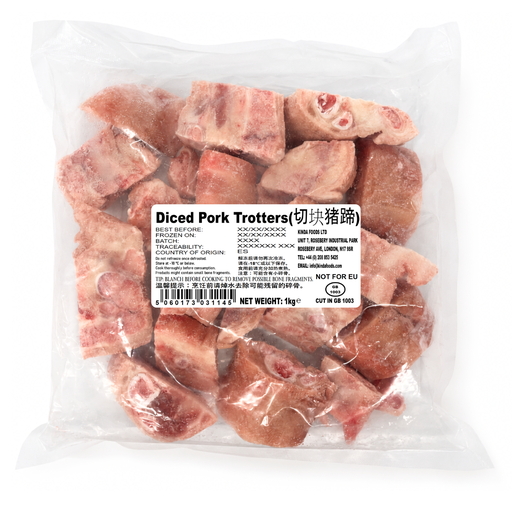
Why This Fits Their Persona: For cooks dedicated to traditional, slow-cooked dishes like braised trotters or rich pork bone broths. These cuts are essential for authentic flavour and texture but are difficult to source and prepare.
This avoids the trap of unavailability. Mainstream butchers rarely stock trotters, and if they do, they require extensive cleaning and chopping. This product is pre-diced and cleaned, saving hours of labour.
Rich in collagen for authentic, gelatinous stews. The 1kg family pack is convenient and the flash-freezing process locks in quality, making it a reliable pantry staple.
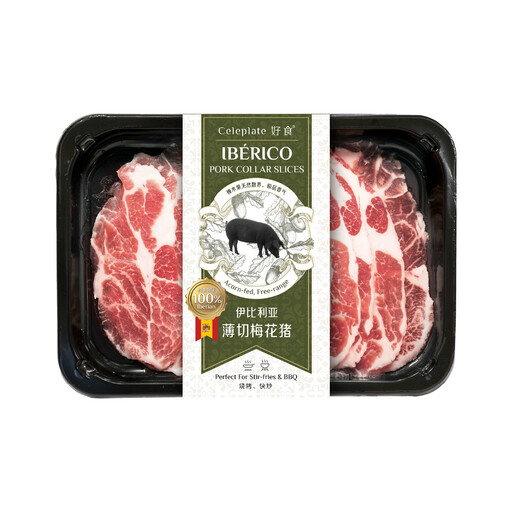
Why This Fits Their Persona: For the discerning cook who understands that the quality of the raw ingredient defines the final dish. This is for making a standout Char Siu, a high-end Japanese grill, or a truly memorable stir-fry.
This sidesteps the "generic pork" trap by offering a specific, high-quality breed. Iberian pork is famed for its nutty flavour and melt-in-the-mouth fat, a world away from lean, flavourless supermarket cuts.
Features the superior marbling and deep, nutty flavour characteristic of Spanish Iberico pigs. The thin slices are perfect for quick, high-heat cooking methods.
We have compiled a complete, real-time list of products that fully satisfy these strict selection criteria and UK safety regulations.
For many applications, particularly pre-sliced cuts, high-quality frozen pork is not only as good but often better. The flash-freezing process locks in the meat's texture and moisture at its peak. This is especially true for pork for hot pot, where professionally sliced frozen meat holds its shape and cooks perfectly, something that is very difficult to achieve at home with a fresh block of meat.
This is a common point of confusion. The pork shoulder is a large primal cut. The pork collar is the upper part of the shoulder, closer to the head. It is richly marbled and very tender. The lower part of the shoulder is leaner and works better for different applications. For recipes like Char Siu or Korean Bo-ssam, the collar is the superior choice due to its fat content, which ensures a moist and flavourful result.
The key to perfect crackling is removing moisture. First, ensure you have a skin-on cut. Pat the skin completely dry with a paper towel. Score the skin with a sharp knife, being careful not to cut into the meat. Rub the skin generously with coarse salt and a little vinegar or oil. For even better results, leave it uncovered in the refrigerator overnight to dry out further. Finally, start the roasting process at a high temperature (around 220°C) for 20-30 minutes to blister the skin, then reduce the heat to cook the meat through.