
24/7 Customer Support

Free returns

Same-day & Next-day Delivery

Quality Guaranteed

Unlock Your Welcome Offers: FREE Delivery | Up to 80% OFF | Free 30-day JoyPlus trial
Download the APP
Buying pork ribs in the UK can be less straightforward than it appears. A product may be labelled as spare ribs, baby back ribs or rib pieces, while the preparation time, meat content and storage requirements vary considerably. Ready-to-cook products can also look convenient, but the cooking instructions and allergen information deserve careful attention.
Joybuy Product Recommendation Officer provides the following practical guide to help you compare pork ribs for family meals, Chinese recipes, barbecues and quick lunches.
Pork spare ribs are generally larger and meatier than baby back ribs, making them suitable for slow cooking, braising and soups. Baby back ribs come from closer to the backbone and are usually smaller, making them useful for grilling, roasting and barbecuing.
However, product descriptions can use these terms inconsistently. Always check the pack description, weight and whether the ribs are supplied as a rack, individual ribs or diced pork rib pieces.
“Ready-to-cook” does not mean ready to eat. Frozen seasoned ribs may still require thorough cooking, while pre-cooked braised pork ribs only need reheating according to the pack instructions.
Check whether the product must be defrosted, whether it can be cooked from frozen, and whether the packaging is suitable for boiling or microwave use. For food safety, follow the instructions on the packaging and ensure pork is cooked thoroughly until piping hot throughout.
Chinese pork ribs and seasoned products often contain ingredients such as soya sauce, oyster sauce, sesame, wheat or fermented bean paste. These may introduce soya, gluten, sesame, crustacean or mollusc allergens, depending on the recipe.
Salt levels can also differ sharply between plain frozen ribs and prepared products. For example, a plain pork rib product may list very little added salt, whereas a flavoured noodle cup or seasoned rib dish can contribute considerably more salt per serving. Read the nutrition panel rather than judging flavour from the product name.
Choose the cut according to your recipe:
Plain products with a declaration such as pork 100% offer more flexibility because you can control the sauce, spice level and cooking style yourself.
Most frozen pork ribs should be stored at -18°C or below and should not be refrozen after thawing. Some products need complete defrosting before cooking, while others are designed to cook directly from frozen.
For raw ribs, allow time for braising, stewing or slow roasting. Pre-cut ribs can reduce preparation time, but they still require proper cooking. Keep raw meat separate from ready-to-eat food and wash hands, utensils and surfaces after handling.
For garlic pork ribs, check whether garlic is included in the marinade or supplied as a seasoning. For black bean pork ribs, look for fermented black beans, soya sauce and sesame oil in the ingredient list. A braising spice sachet can be a flexible option for making Chinese-style dishes at home, but you may need to add meat and other seasonings separately.
Compare protein, fat, saturates and salt per 100g, particularly when choosing prepared ribs for regular family meals. Pack size also matters: 260g may suit one or two portions alongside rice, while 700g to 1kg packs are more practical for batch cooking.
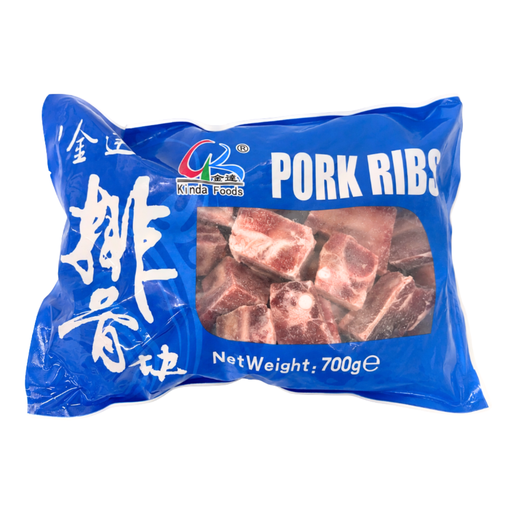
Why This Fits Their Persona: A 700g pack of plain, pre-cut frozen pork ribs gives new home cooks a flexible starting point for braising, stewing or sweet-and-sour recipes.
The ingredient list identifies pork ribs without a pre-applied sauce, so you are not paying for a flavour profile you may not use.
100% pork ribs; pre-cut format; suitable for braising, stewing and sweet-and-sour cooking.
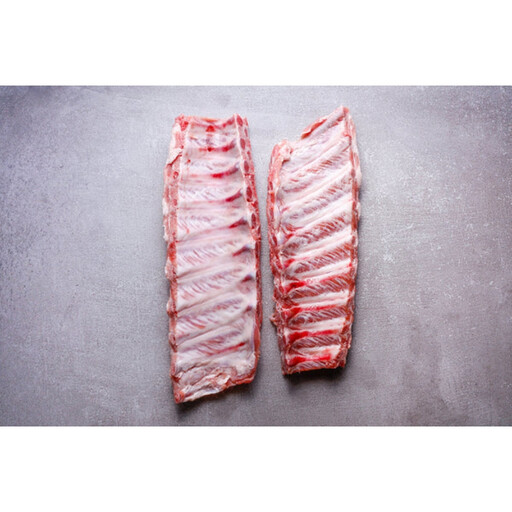
Why This Fits Their Persona: A UK-origin option for shoppers planning a shared barbecue or oven meal and looking for a defined baby back rib cut.
The listing states the cut, 100% pork ingredient and UK origin, making it easier to compare with imported or differently labelled ribs.
850g pack; pork listed as the only ingredient; suitable for boiling, marinating, oven finishing or barbecuing.
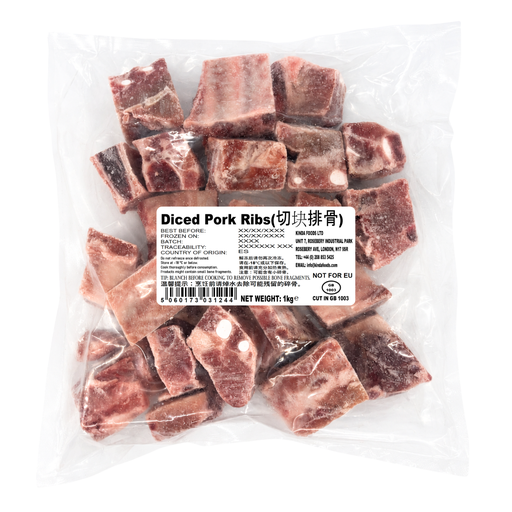
Why This Fits Their Persona: The 1kg diced format suits batch cooking, soups, stews and Chinese braised dishes for families or regular home cooks.
The product is plainly described as raw, diced pork ribs, so the required thawing and cooking time is clear before purchase.
100% pork rib; no additives or preservatives listed; pre-cut into bite-sized chunks.
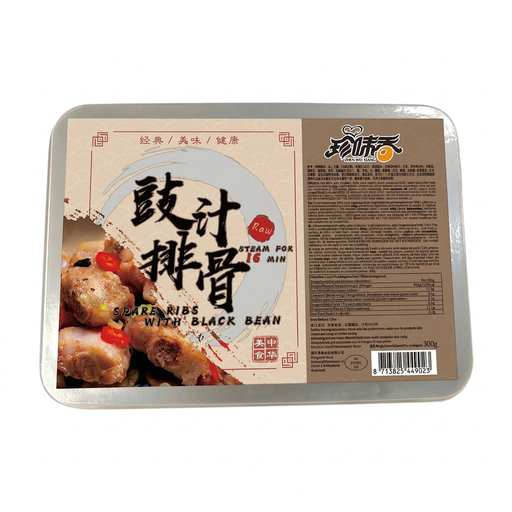
Why This Fits Their Persona: A compact ready-to-cook choice for Cantonese-style meals, dim sum-inspired plates or a quick midweek serving with rice.
The pack states that the ribs are frozen and require steaming for 15–20 minutes, avoiding confusion between reheating and cooking.
Pork ribs make up 80% of the product; black bean sauce provides a defined savoury flavour; steam preparation is straightforward.
We have compiled a complete, real-time list of products that fully satisfy these strict selection criteria and UK safety regulations.
Before adding pork ribs to your basket, check:
For raw pork ribs, common methods include braising for 40–60 minutes after blanching, slow stewing, roasting or finishing on a barbecue. A pork rib seasoning sachet, such as a Chinese stew blend containing spices including star anise, Sichuan pepper and dried tangerine peel, can simplify preparation while allowing you to choose the meat and portion size.
No. They are different rib cuts. Spare ribs are generally larger, while baby back ribs are closer to the backbone and often smaller. Product descriptions should still be checked because naming conventions can vary between suppliers.
The time depends on size, cut and method. Diced ribs may be used in stews or braises, while a larger rack may need extended cooking before grilling or roasting. Follow the product instructions, thaw safely where required and cook until thoroughly heated and tender.
Only if the packaging and instructions permit it. Remove any aluminium pouch before microwave cooking and transfer the contents to a microwave-safe container. Pre-cooked products still need to be heated until piping hot throughout.