
24/7 Customer Support

Free returns

Same-day & Next-day Delivery

Quality Guaranteed

Unlock Your Welcome Offers: FREE Delivery | Up to 80% OFF | Free 30-day JoyPlus trial
Download the APP
Choosing porridge and breakfast cereals should be straightforward, but attractive packaging can hide important differences in ingredients, preparation and portion size. A low shelf price may not represent good value if a box contains small servings, while a product described as “wholegrain” may also contain considerable sugar or flavouring.
This guide explains the practical details to check before buying, from instant porridge sachets and microwave porridge to wholegrain oats, multigrain cereal, baby cereal and ready-to-eat grain products.
Instant sachets and microwave porridge usually require hot water, milk or cooking before consumption. For example, some oat sachets are ready in around two minutes, but they still need to be cooked thoroughly. By contrast, canned porridge is generally ready to eat straight from the can, although the packaging may provide separate heating instructions.
Check whether the product is:
This distinction matters for office breakfasts, university accommodation and busy family mornings.
Wholegrain oats can provide fibre, but flavoured sachets may also contain sugar, syrup-style flavouring or sweetened fruit ingredients. Compare the per 100g nutrition panel, rather than relying only on front-of-pack wording.
For instance, plain porridge oats such as Scotts Porage Oats Original Porridge Oats 1kg contain a single ingredient: oatmeal. Flavoured sachets are more convenient, but their ingredient lists and sugar values can differ considerably.
Breakfast products can contain or may contain traces of gluten, wheat, oats, barley, milk, soya, peanuts, nuts or sesame. This is particularly important when buying multigrain products or Asian-style grain porridges, where several cereal and legume ingredients may be combined.
For baby cereal, check the stated age range carefully. A product containing honey is not suitable for infants under 12 months. Always follow the preparation instructions, supervise children while eating and check the label before purchase.
Look for the proportion of the main cereal. A product labelled as oat-based may contain rolled oats alongside sugar, milk powder, soya protein or other cereals. If you want a simple base for adding fruit or yoghurt, a single-ingredient product may be more suitable. If convenience is the priority, a flavoured or fortified option may reduce preparation time.
For wholegrain oats, check whether the ingredient list begins with wholegrain rolled oats or oatmeal. For multigrain cereal, identify the actual grains included, such as rice, wheat, barley, buckwheat, millet or black rice.
Use both columns when comparing products. The serving size can vary between a 25g baby cereal portion, a 35g instant sachet and a larger bowl of traditional oats.
Pay particular attention to:
Nutrition information is not a substitute for individual dietary advice, but it helps shoppers compare products on a consistent basis.
A product’s format affects its practical value. Individual sachets help with portion control and storage, while a 1kg bag of oats may suit households that prepare breakfast regularly. Breakfast cereal multipacks can be useful for lunch boxes or families with different preferences, but check whether every individual portion will be used.
Once opened, keep dry cereals sealed in a cool, dry place. Follow the pack’s best-before guidance. Prepared porridge should generally be eaten immediately, and opened cans should not be stored for later consumption unless the label specifically permits it.

Why This Fits Their Persona: A large bag of plain oats suits students, first-time renters and households that want to customise breakfast with their own toppings.
The ingredient list identifies 100% oatmeal, avoiding hidden flavour blends and making the base easy to assess.
1kg pack; 100% oatmeal; suitable for hob preparation and adaptable serving sizes.

Why This Fits Their Persona: Designed for professionals and gym-going shoppers who want a flavoured microwave porridge with stated protein content and individual portions.
The pack states 100% wholegrain Quaker oats and 9g of protein per serving; allergens include oats and soya, with possible peanut and nut traces.
8 sachets; microwave preparation in about 2½ minutes at 800W; 9g protein per serving as listed.
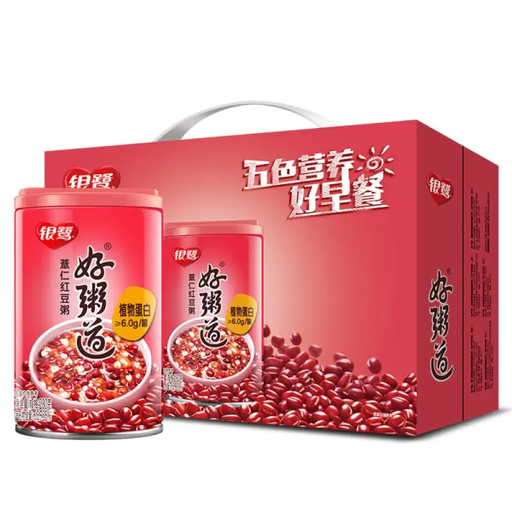
Why This Fits Their Persona: A practical option for households wanting traditional Asian-style grain porridge without soaking or simmering millet, beans and grains.
It is clearly identified as ready to eat, so shoppers do not mistake a raw grain blend for an instant product.
12 cans; can be served warm or cold; contains red bean, Job’s tears and mixed grains.
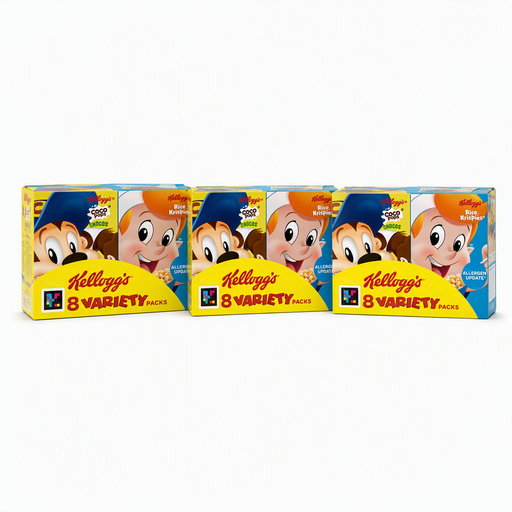
Why This Fits Their Persona: Individual portions can simplify weekday breakfasts, packed lunches and households where family members prefer different cereal flavours.
The 24-pack format makes the portion count clear; shoppers should still check each included cereal’s ingredients and allergen information.
24 individual variety portions; suitable for breakfast or lunch boxes; compact serving format.
We have compiled a complete, real-time list of products that fully satisfy these strict selection criteria and UK safety regulations.
Parents should treat baby cereal as a separate category rather than simply choosing a smaller adult product. Check the recommended age, preparation ratio, milk ingredients, allergens and storage period after opening.
Products such as Milupa Banana Bedtime Cereal 4-6+ Months 125g provide preparation guidance and an age indication on the product information. However, UK guidance commonly recommends introducing solids at around six months, and the appropriate timing can vary. Follow advice from a health professional if unsure.
It depends on the pack size, serving weight and whether you use milk. A large bag of plain oats often has a lower cost per serving, while sachets provide measured portions and reduce preparation time. Compare the total pack weight and number of stated servings rather than the front-of-pack price alone.
Dry products should be kept sealed in a cool, dry place and used according to the packaging guidance. An airtight container can help maintain texture after opening, but always check for changes in smell, appearance or moisture. Ready-to-eat cans should be consumed immediately after opening unless the label gives different instructions.
Canned porridge can be useful for convenience, travel or stocking a cupboard, but compare the sugar, salt, portion size and allergen information with dry oats or cereal. It can form part of varied breakfast choices, but no single product needs to be used every day.