
24/7 Customer Support

Free returns

Same-day & Next-day Delivery

Quality Guaranteed

Unlock Your Welcome Offers: FREE Delivery | Up to 80% OFF | Free 30-day JoyPlus trial
Download the APP
Navigating the porridge and cereals aisle can be more complex than it seems. With shelves packed with options from traditional porridge oats to instant porridge and exotic healthy grains, it is easy to make a choice that doesn't quite fit your lifestyle or nutritional goals. As a Joybuy Product Recommendation Officer, my role is to help you see past the marketing clutter and focus on what truly matters for a satisfying and sensible purchase. Let's look at the common pitfalls and how to sidestep them.
Many shoppers find themselves disappointed with their cereal and porridge choices. This often comes down to a few recurring issues that are simple to avoid once you know what to look for.
To ensure you are getting value and quality, focus on these key parameters. They apply whether you are buying a simple bag of oats or a specialised baby cereal.
This is the most reliable source of information.
The type of grain and how it has been processed affects both cooking time and nutritional value.
Be realistic about the time you have.
Based on these practical criteria, here are a few options that align with different needs and preferences.

Why This Fits Their Persona: For those with hectic mornings, these sachets offer a warm, filling breakfast in under three minutes. The portion-controlled format removes guesswork and the added protein helps with satiety through a busy morning of meetings.
It directly tackles the convenience cost trap by being sold in a multi-pack, offering better value than single-serve pots. While it contains sugar for flavour, the nutritional information is clear, avoiding the "hidden sugars" pitfall.
Contains 9.4g of protein per sachet to aid fullness. Made with 100% wholegrain oats and ready in just 2.5 minutes.
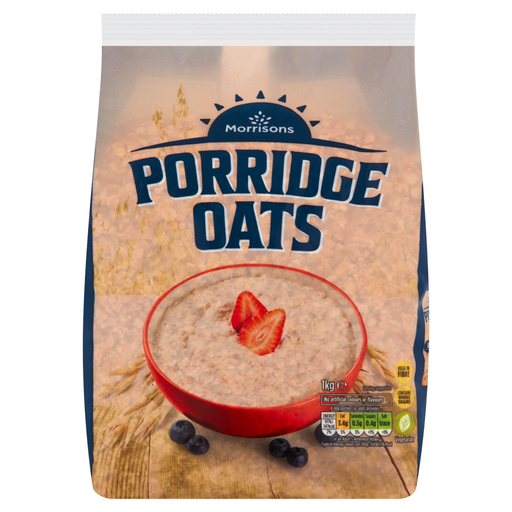
Why This Fits Their Persona: This is a blank canvas for anyone who wants complete control over their breakfast. It's perfect for making traditional porridge, overnight oats or even for use in baking. The large 1kg bag is economical for daily use.
This product is the antidote to the "hidden sugars" trap, as it contains only 100% oat flakes with no added sugar, salt or flavourings. It also offers excellent value, completely avoiding the convenience cost premium.
Made with 100% wholegrain oats, high in fibre and contains only trace amounts of naturally occurring salt and sugar. Extremely versatile and cost-effective.
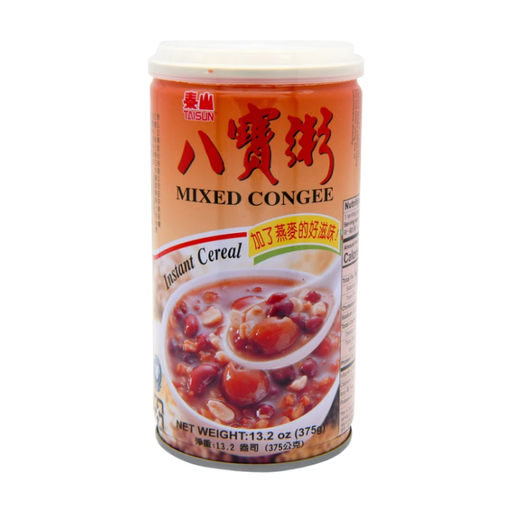
Why This Fits Their Persona: For those curious about different breakfast cultures, this ready-to-eat Asian congee offers a completely different experience from oat-based porridge. It's a sweet, thick and glutinous meal with a variety of grains and beans, providing a novel and satisfying option.
This product sidesteps the "vague grain mix" trap by delivering a traditional, well-balanced recipe with over eight types of grains and beans. It provides an authentic taste experience without requiring you to source and cook multiple speciality ingredients.
Completely ready-to-eat, no heating required. Rich in dietary fibre and plant protein from a diverse mix of ingredients including glutinous rice, oats, peanuts and barley.
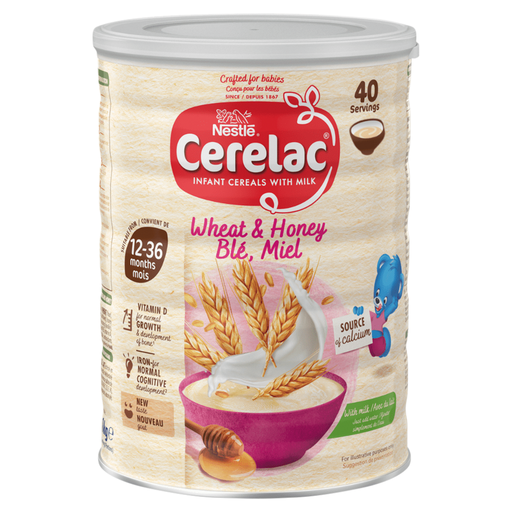
Why This Fits Their Persona: Parents of toddlers need nutritious, age-appropriate and easy-to-prepare meals. This baby cereal is specifically designed for children from 12 months, fortified with key nutrients to support their development.
It avoids the trap of generic "healthy" marketing by being a purpose-built product. The packaging clearly states it is for toddlers (12-36 months) and contains honey, making it unsuitable for infants under 12 months, providing crucial safety information upfront.
Enriched with iron to support normal cognitive development, plus calcium and vitamin D for bone growth. Very simple to prepare by just adding water.
We have compiled a complete, real-time list of products that fully satisfy these strict selection criteria and UK safety regulations.
It depends entirely on the specific product. Many instant options contain added sugar, salt or artificial flavourings to improve taste and shelf life. In contrast, a bag of traditional porridge oats gives you full control over what you add. However, some brands now offer high protein porridge or simple wholegrain sachets with no added sugar. The key is to always check the nutritional label before buying.
While both are comforting grain-based dishes, they come from different culinary traditions. British porridge is almost always made from oats, cooked with water or milk to a thick, creamy consistency and typically served sweet with toppings like fruit or syrup. Asian congee is a savoury or sometimes sweet rice porridge. It is often much looser in consistency and can be a complete meal, simmered for hours with ingredients like meat, fish, vegetables and beans.
There are many ways to add flavour and nutrients.