Households batch-prepping oat-based lunches
Families making flapjacks, baked oats or similar prepared lunch items who need enough dry oats for repeated weekly use rather than a single ready-to-eat portion.


Choose plain rolled or jumbo oats in a 1kg to multi-pack format when your household will regularly make finished lunch items such as flapjacks, baked oats or overnight oats at home. Choose sachets or pots only when preparation facilities are confirmed, and select specifically labelled gluten-free oats only where that requirement applies; always check the current allergen label, school policy and chilled-food plan.
Families making flapjacks, baked oats or similar prepared lunch items who need enough dry oats for repeated weekly use rather than a single ready-to-eat portion.
Secondary-school pupils who may need an individually measured oat product, but only where a microwave or boiling water is genuinely available and permitted.
Families that need to distinguish a specifically gluten-free oat product from standard oats and check both the exact label and the school’s allergy arrangements.
Start with the intended lunch format: plain oats work as an ingredient for food prepared at home, while instant formats still need the right preparation facilities. Then check the pack size, allergen information and how any chilled dish will be carried.
| Priority | What to check | Your needs |
|---|---|---|
| Usable pack size | Compare the pack weight with the number of recipes your household will make. Check stated portion guidance where supplied and choose a size you can use consistently. | I want enough oats for repeated lunch preparation without buying more dry oats than our usual recipes will use. |
| Preparation at school | Check whether sachets need milk and microwave heating, or whether a pot needs boiling water. Confirm what the school permits before packing an instant format. | The lunch should be ready to eat, unless my child has reliable access to the permitted equipment needed to prepare it. |
| Allergen suitability | Read the exact ingredient and allergen statement on the current pack. Check for a specific gluten-free label where required, plus any wheat, barley, soya or nut-related cautions. | I need the product and the packed item to fit the pupil’s dietary requirements and the school’s allergy arrangements. |
| Chilled transport | For overnight oats or dishes made with milk, yoghurt or other perishable ingredients, use an insulated lunchbox or bag and keep chilled food cold until lunch. | I need a practical way to keep a prepared oat dish cold through the school morning. |
A gluten-free oat claim and suitability for an oat allergy are different matters. Standard oat products can also carry warnings relating to wheat, barley, soya or nuts, depending on the specific product.
Read the current pack allergen statement every time you buy, use a specifically labelled gluten-free oat product only where needed, and confirm the school’s allergy policy.
Sachets need milk and microwave heating, while hot-water pots need boiling water. Without those facilities, dry oats are not a usable prepared lunch.
Confirm access and permission first. If facilities are unavailable, use oats as an ingredient in a finished lunch item prepared at home.
Milk- or yoghurt-based oat dishes can spoil if they are not kept cold through the school morning.
Use an insulated lunchbox or bag with an appropriate cold source, keep chilled foods separate where practical, and discard uneaten perishable food at the end of the day.
Oat-based cereal products can include sugar, rye, wheat, barley or nuts, changing both the ingredient list and allergen suitability.
For flexible home-prepared recipes, choose a plain-oat product whose ingredients and allergen statement suit the household. Use granola or muesli only when its fuller ingredient list is appropriate.
Quaker offers traditional rolled oats in 500g, 1kg and 1.5kg packs, alongside microwaveable sachets and hot-water pots.
Mornflake focuses on plain and jumbo oats, with conventional jumbo oat packs from 500g to 4kg and a separately labelled gluten-free jumbo-oat range.
Flahavan's offers Irish wholegrain oat products, including organic jumbo oats and other oat formats sold in the UK grocery market.
Dorset Cereals is primarily an oat-based granola and muesli brand rather than a like-for-like plain porridge-oat family-pack choice.
Jordans offers organic wholegrain rolled oats alongside protein-oat products.
Waitrose provides a basic 1kg plain-oat own-label option alongside branded, gluten-free, jumbo and sachet formats.
Joybuy product options for households making oat-based lunch items at home, including plain oats in household packs and a specifically labelled gluten-free route.
 No image available
A larger plain-oat supply for households preparing repeated oat-based lunch items at home.
Two 1kg packs; 100% organic wholegrain oat flakes. Prepare a finished lunch item before packing, and keep milk- or yoghurt-based versions cold until lunch. Check the current label and the school’s allergy policy.
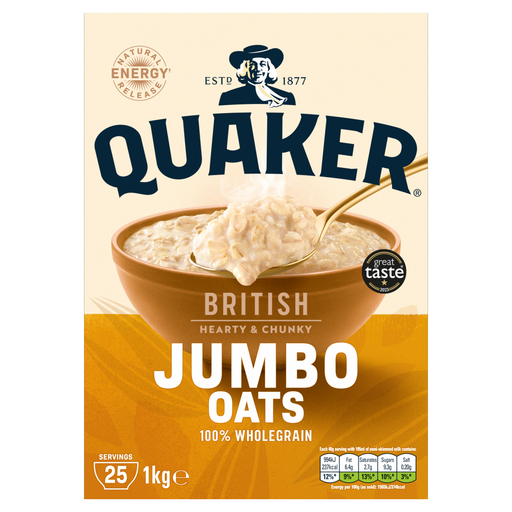 No image available
A standard household pack for home-made overnight oats and baking.
1kg pack of 100% wholegrain oat flakes. The listing notes possible wheat traces, so check the exact pack label and individual school policy before packing.
 No image available
A specialist option for home-prepared oat recipes where a gluten-free product is required.
1kg pack of 100% gluten-free, wheat-free oat flakes with 25 stated portions. Oats remain an allergen, so this does not establish suitability for an oat allergy.
 No image available
A smaller plain-oat commitment for households trying regular oat-based lunch preparation.
1kg pack of 100% organic wholegrain oat flakes. Plain oats need preparing into a finished lunch item, and dairy-based recipes need chilled transport.
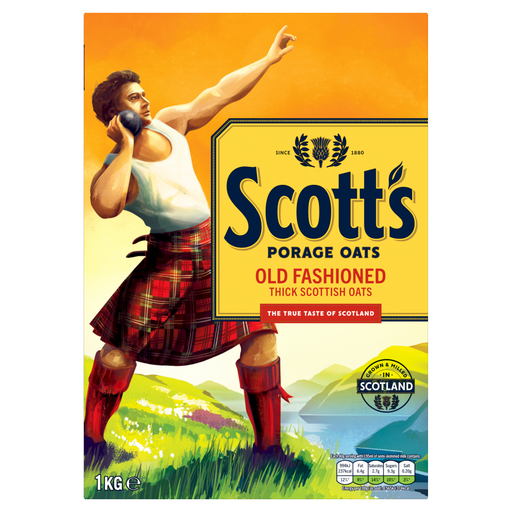 No image available
A plain 1kg rolled-oat option for households cooking or baking oat dishes before school.
100% rolled oats with stated stovetop and microwave preparation for 40g servings. The listing notes possible wheat and barley, so check the current label and school allergy policy.
No. The Food Standards Agency states that food labelled gluten-free must contain no more than 20mg/kg gluten, but oats must still be emphasised because oat allergy is distinct from gluten intolerance. Check the exact pack label rather than relying on the category name.
Not as prepared porridge without the required preparation. Quaker Original sachets require milk and microwave heating, while Quaker’s Original pot requires boiling water. Send them only if the pupil has confirmed access to the appropriate permitted facility; otherwise pack a finished oat-based item or another ready-to-eat food.
Treat overnight oats made with milk, yoghurt or other perishable ingredients as chilled food. Keep them cold until eaten with an insulated lunchbox or bag, separate chilled foods where practical, and discard perishable leftovers at the end of the day.
In England, schools have a duty to support pupils with medical conditions including allergies and must publish an allergy safety policy, according to the Department for Education. This does not mean every food is automatically allowed: check the individual school’s policy and the pupil’s documented needs. Rules and guidance may differ elsewhere in the UK.
No. A larger pack is useful only when the household can make and use the planned oat recipes consistently. Compare the pack size with the likely number of prepared lunches, available storage and the product’s current best-before information before choosing a multi-pack format.