What to check before buying
Start with the recipe’s intended texture, then compare plain products by unit price and check the ingredient and allergen statement on the pack.
| Priority |
What to check |
Your needs |
| Value per usable kilogram |
Compare the displayed price per kg across pack sizes; check whether an offer has qualifying-product conditions; choose a pack size you can store and use. |
I want to keep repeat baking costs down without changing the recipe. A larger pack is only useful if I will use it before its best-before date. |
| Flake size and texture |
Use standard rolled oats for conventional recipes; choose jumbo or chunky flakes for a more pronounced oat texture; treat quick oats as a different baking ingredient. |
I want visible flakes and a rougher bite, or a smoother dough. If texture matters, I will test a small batch before changing oat format. |
| Ingredient simplicity |
Look for a plain rolled-oat ingredient list; avoid assuming granola, flavoured porridge or oat bran will behave like rolled flakes; check for fruit, nuts, seeds and flavourings. |
I want to control sweetness, fat and flavourings myself rather than introducing extra ingredients from a mixed cereal. |
| Gluten and allergen suitability |
Check the product’s gluten-free label where required; read the ingredient and allergen statement every time; consider manufacturing warnings for wheat, barley and nuts. |
I need an oat product suitable for the intended eater, not simply a plain or organic product. In the UK, the Food Standards Agency states that foods labelled gluten-free must contain no more than 20 mg/kg gluten. |
Joybuy oat options
Joybuy product options for biscuit baking, including gluten-free, organic, jumbo and thicker rolled-oat routes.
 No image available
Morrisons Free From Gluten Free Oats 1kg
For gluten-free biscuit baking where the listing’s gluten-free oat flakes and plain oat ingredient list fit the recipe.
1kg pack. Check the pack description if flake size or biscuit texture is important, and compare the current price per kg before choosing.
Joybuy
 No image available
Flahavan’s Organic Porridge Oats 2kg (2 x 1kg)
For frequent biscuit baking with an organic preference and a plain wholegrain oat-flake ingredient list.
Two 1kg packs; store cool and dry. The listing states that it contains oats (gluten), so it is not a gluten-free substitute.
Joybuy
 No image available
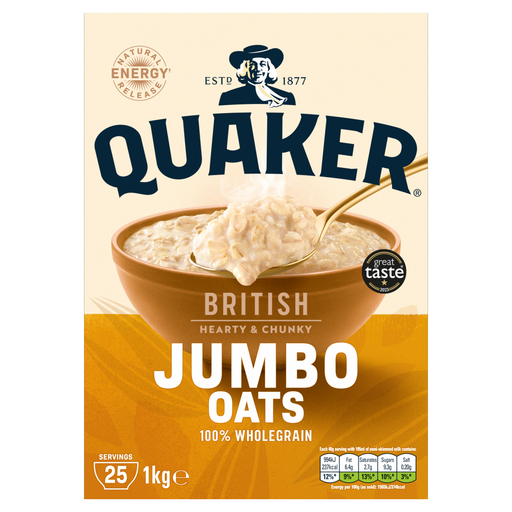
Quaker Jumbo Rolled Oats 1kg
For biscuits where a more visible oat presence is wanted, using jumbo wholegrain oat flakes with no added flavourings or sweeteners stated.
1kg pack. The listing says it may contain traces of wheat, and jumbo flakes can give a different bite from ordinary rolled oats.
Joybuy
 No image available
Flahavan’s Organic Porridge Oats 1kg
For organic plain-oat baking where you want to control the recipe’s sugar and flavourings separately.
1kg pack of 100% organic wholegrain oat flakes. The listing states that it contains oats (gluten), so it is not a gluten-free substitute.
Joybuy
 No image available
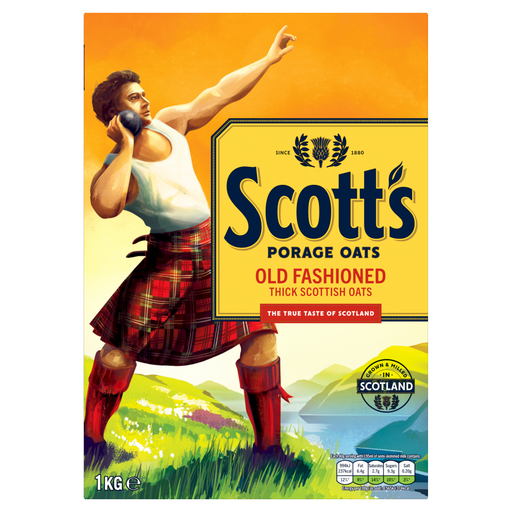
Scotts Porage Old Fashioned Porridge Oats 1kg
For plain oat-biscuit recipes where a heartier texture from thicker rolled oats is preferred.
1kg pack with a stated 100% rolled-oat ingredient list. The listing says it may contain wheat and barley; test a small batch if the recipe was developed with finer oats.
Joybuy
Frequently asked questions
Are ordinary porridge oats suitable for oat biscuits and flapjacks?
Usually, yes. Use plain rolled porridge oats when the recipe specifies porridge oats: Waitrose & Partners describes its Essential Porridge Oats as rolled flakes suitable for flapjacks, and a Hamlyns oat-biscuit recipe uses porridge oats. Do not assume oat bran, flavoured sachets, granola or quick oats are interchangeable without adapting the recipe.
Should I use jumbo oats or ordinary rolled oats for biscuits?
Use ordinary rolled oats as the safer default when a recipe simply says porridge oats. Choose jumbo or chunky rolled oats when you want more visible flakes and a rougher oat texture, and test a small batch if the recipe was developed with standard flakes.
Are quick oats a good value substitute for baking?
Only if a smoother result is acceptable. Mornflake says its Superfast Oats use smaller flakes that absorb liquid faster and make smooth, creamy porridge, so they can behave differently from normal rolled flakes in biscuit dough.
Can I treat organic or “100% oats” as gluten-free?
No. Coeliac UK states that “100% oats”, “pure oats” and “organic” do not tell you whether a product is gluten-free. In the UK, the Food Standards Agency states that food labelled gluten-free must contain no more than 20 mg/kg gluten; choose a specifically gluten-free labelled product where that requirement applies and check the pack each time.
How should I store a large oat pack for baking?
Keep it cool and dry, and use an airtight container once opened where appropriate. For larger packs intended for repeated baking, check the best-before date and the storage instructions on the product you buy.


