
24/7 Customer Support

Free returns

Same-day & Next-day Delivery

Quality Guaranteed

Unlock Your Welcome Offers: FREE Delivery | Up to 80% OFF | Free 30-day JoyPlus trial
Download the APP
Porridge oats are affordable, versatile and easy to prepare, but the packaging can make similar products look very different. A large bag may offer better value for regular households, while a smaller pack of porridge sachets may suit busy mornings. Organic status, oat thickness, added ingredients and allergen information can also affect which product is appropriate.
Before adding breakfast oats to your basket, look beyond phrases such as “wholesome”, “natural” or “traditional”. The ingredients list, preparation method and pack size usually provide more useful information.
Plain rolled oats generally contain one ingredient: oats. Flavoured instant porridge may include sugar, salt, milk powder, flavourings or dried fruit. These products can be convenient, but they are not interchangeable from a nutritional or allergen perspective.
For example, a golden syrup porridge sachet is designed for quick preparation and includes added ingredients, whereas a 1kg bag of plain oats allows you to control sweetness with fruit, cinnamon or a small amount of syrup.
Wholegrain oats retain the grain components, but products can still differ in fibre, fat, sugar and salt per 100g. Compare the nutrition panel rather than relying only on front-of-pack wording. Also check whether the stated values refer to oats as sold or to porridge prepared with milk.
Oats naturally contain oat proteins and may be labelled as containing gluten, depending on processing and local labelling. Some products may also contain or may contain traces of wheat, barley, rye, soya, milk, sesame or nuts.
People with coeliac disease or food allergies should follow medical and packaging guidance and choose products specifically labelled as suitable where appropriate. “Organic” does not automatically mean gluten-free.
For a simple everyday option, look for 100% oats or 100% wholegrain oat flakes. Plain oats in the supplied range include products with around 8–9g of fibre and 11g of protein per 100g, although figures vary between products.
If buying flavoured porridge, check:
A product marketed as reduced sugar may still contain sweeteners or separate glucose sachets, so read the full ingredient list.
A 1kg bag can be economical for families, frequent porridge eaters and home bakers. Larger multipacks, such as 2 x 1kg, reduce the need to reorder but require suitable airtight storage.
Single-serve porridge sachets are useful for office kitchens, university accommodation, travel or rushed mornings. Compare the price per 100g, not only the shelf price, and check whether the sachet requires milk, water, a microwave or boiling water.

Why This Fits Their Persona: A straightforward 1kg bag suits shoppers starting a regular porridge routine, family breakfasts and flexible home cooking.
The ingredients list identifies 100% oatmeal, with no added artificial flavours, colours or preservatives. Allergen information still needs checking because wheat and barley may be present.
100% oatmeal; 1kg pack; approximately 9g dietary fibre and 11g protein per 100g according to the supplied nutrition information.

Why This Fits Their Persona: Organic food buyers and households that eat porridge frequently may value the 2kg format and certified organic positioning.
It lists 100% organic wholegrain oat flakes, avoiding the uncertainty of a cereal blend with a low oat percentage.
2kg total pack; organic wholegrain oat flakes; approximately 8.3g fibre and 11g protein per 100g.
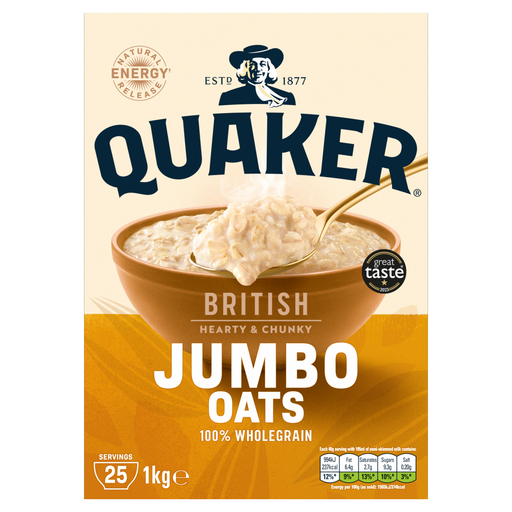
Why This Fits Their Persona: Jumbo oat flakes suit regular cooks who want porridge with more bite, as well as overnight oats and baking recipes.
The product description clearly identifies 100% wholegrain oat flakes, rather than presenting a flavoured or multi-cereal mix as plain oats.
1kg pack; 100% wholegrain oat flakes; suitable for porridge, overnight oats and baking.
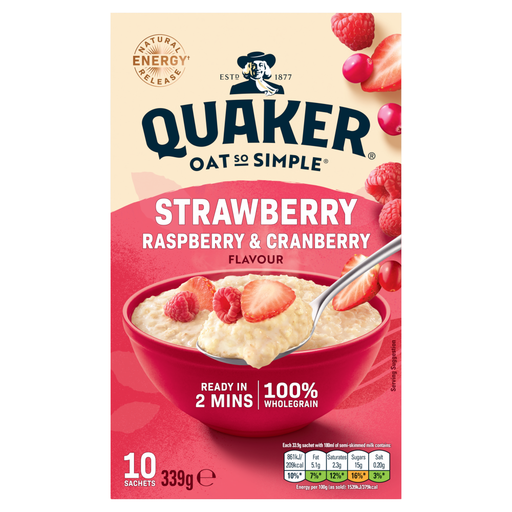
Why This Fits Their Persona: Individual portions are practical for work mornings, shared kitchens and anyone who prefers a measured serving with minimal preparation.
The pack states the number and weight of sachets, while the ingredient list identifies rolled oats, sugar and natural flavouring. This makes portion and added ingredients easier to assess.
10 individual sachets; microwave preparation in around two minutes; includes real fruit pieces according to the product description.
We have compiled a complete, real-time list of products that fully satisfy these strict selection criteria and UK safety regulations.
Keep opened porridge oats in a cool, dry place and reseal the original packaging or transfer the contents to an airtight container. This helps protect the flakes from moisture and odours. Follow the pack’s use-by or best-before information and check the product before use.
For a standard serving, many plain oat products use around 40g of oats. Milk creates a creamier result, while water keeps the preparation lighter. Start with the stated liquid quantity, then adjust it to suit your preferred consistency. Microwave cooking times vary by appliance, so stir carefully and allow the bowl to stand briefly before eating.
Rolled oats are a type of porridge oat made by flattening oat grains. They can be used for porridge, overnight oats and baking. The thickness of the flakes affects texture and cooking time.
Not necessarily. Oats may be labelled as containing gluten or may carry a warning about wheat, barley or rye. If you need to avoid gluten for medical reasons, check the exact product label and suitability statement before buying.
When kept sealed in a cool, dry place, oats can remain suitable until the date shown on the packaging. Some products recommend transferring them to an airtight container and using them within two months after opening for best quality. Always follow the specific storage instructions on the pack.