
24/7 Customer Support

Free returns

Same-day & Next-day Delivery

Quality Guaranteed

Unlock Your Welcome Offers: FREE Delivery | Up to 80% OFF | Free 30-day JoyPlus trial
Download the APP
Choosing porridge oats seems simple until you compare rolled oats, instant porridge, oat flakes, granola and oat-based breakfast cereal. Pack sizes, processing methods and added ingredients can make two products with similar-looking packaging very different in everyday use.
For UK shoppers, the main buying mistakes are usually paying for convenience you do not need, overlooking allergens and confusing a product’s marketing language with its actual ingredient list. This guide explains what to check before buying, followed by our top recommendations for different household needs.
A bag labelled “oatmeal” may contain 100% oats, while an instant sachet or flavoured breakfast product can include sugar, milk powder, salt, flavourings or other cereals. Check the ingredients list rather than relying on front-of-pack wording.
For example, plain porridge oats can be suitable for sweet or savoury recipes, whereas golden syrup porridge pots and flavoured oat sachets are already portioned and seasoned. That convenience may be useful, but it can reduce flexibility and increase the cost per serving.
A larger pack is not automatically better value if some of it will go stale or remain unused. Compare the price per 100g, then consider the number of servings. A 1kg porridge oats pack generally suits regular households, while smaller sachets can be more practical for students, commuters or occasional users.
These terms describe different characteristics. Wholegrain refers to the grain used, organic refers to certified production standards and high-fibre is a nutritional description that should be checked against the nutrition panel. Granola and oat cereal can contain wholegrain oats but also added sugar, oils, dried fruit or nuts.
Cooking instructions matter in practice. A plain 40g serving may need four to five minutes on the hob, while a sachet can be ready in roughly two to three minutes. Always follow the product label, particularly for microwave preparation.
For a simple porridge base, look for 100% oats or 100% wholegrain oat flakes. Products containing wheat, barley, rye, soya, milk, nuts or sesame must be checked carefully if anyone in your household has an allergy or intolerance.
Some oat products may carry a “may contain” warning for wheat or barley. Oats themselves are commonly listed as containing gluten under UK allergen labelling and cross-contamination information can vary by product. Read the current packaging before purchase rather than relying only on a product title.
Use both measurements. A 40g serving of plain oats may show around 148–150 kcal before milk or toppings are added, while a prepared serving with semi-skimmed milk will be higher. Compare:
For a balanced bowl, add fruit, yoghurt, seeds or nuts according to your preferences and dietary requirements. Treat toppings as part of the overall nutritional comparison.

Why This Fits Their Persona: A straightforward 1kg option for households wanting a plain breakfast cereal base without added flavourings or preservatives.
The listed ingredients are 100% oatmeal, making it easier to see what you are paying for and add your own toppings.
1kg pack; 9g dietary fibre and 11g protein per 100g according to the supplied product information.

Why This Fits Their Persona: Suitable for shoppers who specifically want organic porridge oats and a plain wholegrain oat ingredient.
The ingredient list states 100% organic wholegrain oat flakes, rather than relying on a vague natural or wholesome description.
Plain format; supplied nutrition lists 8.3g fibre and 11g protein per 100g.
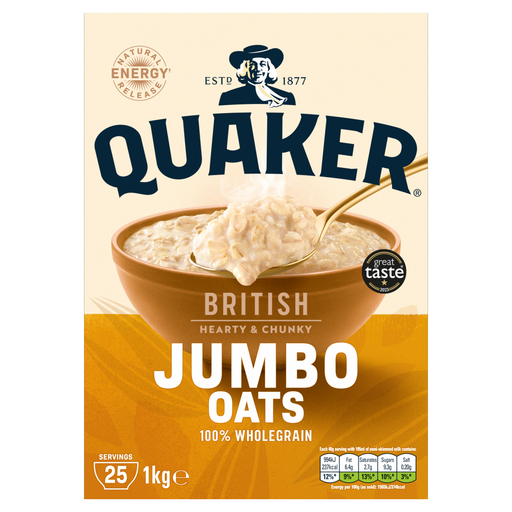
Why This Fits Their Persona: A versatile choice for batch porridge, overnight oats, baking and homemade granola.
The product is identified as 100% wholegrain oat flakes, so it avoids the hidden ingredients found in many flavoured cereals.
1kg quantity; suitable for hob cooking, overnight preparation and recipes.

Why This Fits Their Persona: Individual paper pots are convenient for quick breakfasts at home, in halls or in an office with access to hot water.
The portion size and preparation method are clear, helping prevent over-measuring or carrying a large open bag.
57g individual serving; prepared with hot water and ready in approximately two minutes.
We have compiled a complete, real-time list of products that fully satisfy these strict selection criteria and UK safety regulations.
Yes. Plain porridge oats are a cereal product made from oats, while breakfast cereal is a broader category that includes oat flakes, granola, wheat biscuits and other grain-based products. Check the ingredients and nutrition panel to compare them fairly.
Store oats in a cool, dry place and reseal the packaging. Some product instructions recommend using them within two months after opening for best quality, although the specific storage guidance and best-before date on the pack should take priority. Transfer loose oats to an airtight container if the original bag is difficult to close.
Usually, loose 1kg porridge oats offer more servings for the pack size, while instant sachets charge for portioning, flavouring and preparation convenience. Compare the price per 100g and consider whether you need a ready-to-prepare format before ordering.