What to check before buying
Start with the texture the child accepts, then check the ingredient list, current allergen statement and where the porridge will be served.
| Priority |
What to check |
Your needs |
| Texture and preparation time |
Check whether flakes are quick-cook or jumbo; follow the stated cooking method; choose a texture the child is likely to accept. |
A smooth bowl can be useful when tea time is rushed. Mornflake says its cut-and-rolled quick-cook oats absorb liquid faster, while jumbo oats retain more texture. |
| Plain wholegrain ingredients |
Read the full ingredient list; distinguish plain oats from flavoured sachets; check the exact pack before choosing milk or toppings. |
I may want a plain oat base so I can decide which additions suit the child and the meal. |
| Allergen and setting compatibility |
Read allergens and precautionary statements on the exact variant; check the child’s dietary plan; confirm the school or nursery policy before packing food. |
Plain oats are not automatically suitable for every allergy requirement or every setting. The Department for Education says schools in England must publish an allergy safety policy. |
| Age-appropriate use |
Consider the child’s age and overall diet; avoid making wholegrain or high-fibre foods the only starchy option; serve within a varied pattern of foods. |
For a toddler or preschool child, I want wholegrain oats to be one option among different starchy foods. The NHS advises against giving only wholegrain foods to children under 2 or only high-fibre foods to children under 5. |
Joybuy product options
Joybuy product options for a quick home tea-time bowl, a thicker textured porridge, or a plain wholegrain oat base that can be customised at home.
 No image available
Quaker Oat So Simple Big Bowl Original 6 Pack, 231g
A portioned option for a freshly made home tea-time bowl, with a stated 2½-minute microwave method.
Six 38.5g sachets; wholegrain rolled oats are listed as the ingredient. Contains oats; check the current pack and the individual school or nursery policy before packing food.
Joybuy
 No image available
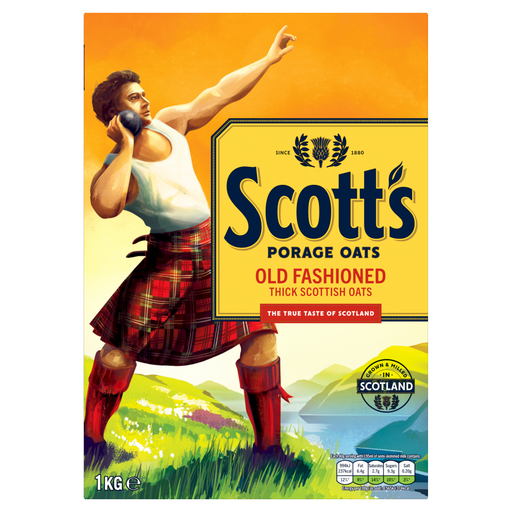
Scotts Porage Old Fashioned Porridge Oats, 1kg
A plain oat option for a child who accepts a thicker, heartier texture.
100% rolled oats; stated preparation is 4–5 minutes on the hob or 2–3 minutes in the microwave. May contain wheat and barley.
Joybuy
 No image available
Flahavan's Organic Porridge Oats, 2 x 1kg
A plain organic oat base for households that want to choose their own additions.
Two 1kg packs of 100% organic wholegrain oat flakes. Check the pack instructions for preparation and the current allergen information before use.
Joybuy
 No image available
Flahavan's Organic Porridge Oats, 1kg
A smaller pack for a flexible plain-oat porridge base prepared at home.
1kg of 100% organic wholegrain oat flakes. Check the pack instructions for preparation and the current allergen information before use.
Joybuy
 No image available
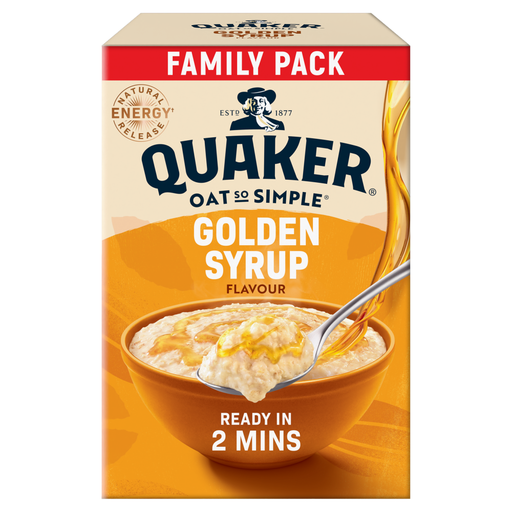
Quaker Oat So Simple Golden Syrup Family Pack, 20 Sachets
A quick microwave sachet option for a child who accepts golden-syrup flavour.
Twenty 36g sachets with a stated 2-minute microwave method and 1-minute standing time. The ingredient list includes 81% wholegrain rolled oats, sugar, natural flavourings and salt; it may contain barley, wheat and soya.
Joybuy
Frequently asked questions
Are ordinary porridge oats gluten-free?
Do not assume so. The Food Standards Agency says that food labelled gluten-free must contain no more than 20 mg/kg gluten, and oats must still be emphasised because oat itself can be an allergen. Where a gluten-free product is required, choose one specifically labelled gluten-free and check the current pack.
Can I send oat-based food to school or nursery?
Check the individual setting’s current policy first. In England, the Department for Education says schools must publish an allergy safety policy, while the NHS advises parents to check nursery food rules, including possible nut-related restrictions.
Are wholegrain oats suitable for every young child at every meal?
No. The NHS says wholegrain foods should be introduced gradually from around 6 months, but children under 2 should not be given only wholegrain foods and children under 5 should not be given only high-fibre foods. Use wholegrain oats as one part of a varied diet rather than the only starchy option.
Which oats make the smoothest quick tea-time porridge?
Mornflake says its Quick Cook Whole Grain Oats are cut before rolling, so the smaller flakes absorb water or milk faster and make a smooth, creamy porridge in 2 minutes. Follow the exact pack instructions and cool the prepared food to an appropriate serving temperature for the child.
Can cooked porridge be prepared ahead for a lunchbox?
Check the exact product instructions rather than applying one rule to every oat product. Waitrose says its Essential Porridge Oats should not be stored or reheated once prepared; for a packed oat dish, also follow the school or nursery’s food-safety policy.


