Buying priorities
Start with the amount you can realistically use, then check texture and preparation method before making allergen and gluten-free checks for the intended eater.
| Priority |
What to check |
Your needs |
| Pack size and flexibility |
Compare pack weight and price per kilogram where both are stated. Check whether plain oats can also be used in familiar recipes such as flapjacks. Start with a quantity that can be stored and used before committing to bulk. |
A smaller pack can feel less wasteful while acceptance is uncertain. I want enough oats for repeated small servings, without relying on one large bag being eaten. |
| Texture and preparation |
Check whether the product uses traditional rolled flakes, smaller quick-cook flakes or individual sachets. Confirm the preparation method, required liquid and cooking time. Treat brand texture descriptions as guidance rather than a guarantee of a child’s preference. |
I may need a smoother bowl, a familiar plain flavour, or a quick breakfast on busy mornings. A small trial serving is more useful than assuming one format will be accepted. |
| Allergen and gluten-free suitability |
Read the current pack’s allergen statement every time. For coeliac disease or a clinician-directed gluten-free diet, select oats clearly labelled gluten-free. Check cross-contact warnings where an allergy applies. |
I need the product to match the eater’s dietary requirements, not simply a short ingredient list. Ordinary oats should not be treated as gluten-free by default. |
Joybuy porridge oat options
Joybuy product options for plain oats, gluten-free oats and portioned microwave sachets in this fussy-eater meal scenario.
 No image available
Morrisons Free From Gluten Free Oats 1kg
A plain 1kg option for small repeated servings where gluten-free oats are required.
Stated as 100% gluten-free oat flakes, with 25 portions. Confirm the current pack labelling remains suitable for a coeliac or clinician-directed diet, and check preparation directions if a very smooth texture is needed.
Joybuy
 No image available
Scotts Porage Oats Original 1kg
A plain 1kg pack for trying porridge in small servings or using oats in familiar household recipes.
Stated as 100% oatmeal with 25 suggested portions and no added flavours, colours or preservatives. The product is described as thicker and heartier, and may contain wheat and barley.
Joybuy
 No image available
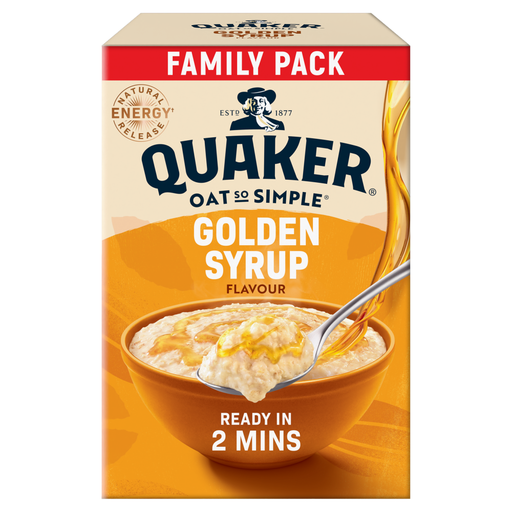
Quaker Oat So Simple Golden Syrup Family Pack, 20 Sachets
Individually portioned sachets for mornings when a fixed serving and quick microwave preparation are useful.
Contains 20 x 36g sachets with stated two-minute microwave instructions. The recipe includes golden-syrup flavour, sugar and natural flavourings, and may contain barley, wheat and soy.
Joybuy
 No image available
Quaker Oat So Simple Big Bowl Original, 6 Pack
A small number of separate sachets for controlled porridge trials and quick preparation with water or milk.
Contains six 38.5g wholegrain rolled-oat sachets with a stated 2½-minute microwave method. Each sachet is described as 33% bigger than a standard 27g sachet and may contain wheat and barley.
Joybuy
Frequently asked questions
Should I buy a large oats bag if my child is a fussy eater?
Not as a first purchase unless oats are already an accepted food at home. NHS guidance recommends small portions and calm re-offering rather than forcing food, so a modest pack can help limit waste while you see whether porridge is accepted. Choose a larger pack once the household uses it regularly and has storage space.
Are quick-cook oats better for a child who dislikes lumpy porridge?
They can be worth trying when a smoother result is preferred. Mornflake says its Superfast oats use smaller flakes that absorb liquid faster for smooth, creamy porridge, but this is the manufacturer’s description rather than independent sensory testing. Try a small serving before committing to a larger quantity.
Do plain oats need to be labelled gluten-free for someone with coeliac disease?
Yes. Coeliac UK advises avoiding oats and oat products that are not labelled gluten-free because ordinary oats can be contaminated with wheat, barley or rye. Follow healthcare advice, particularly if the person has symptoms or has been given individual dietary instructions.
How should I store an opened oats pack?
Keep it in a cool, dry place and use an airtight container after opening where the pack directs this. Check the best-before date and current on-pack storage instructions, as recipes and allergen information can change.
When is fussy eating more than a product-choice issue?
Seek appropriate healthcare advice if eating is affecting health or growth, or if swallowing difficulties or another physical reason make eating difficult. NHS reassurance about ordinary food refusal is framed around a child who is active, gaining weight and otherwise well.


