Students using a campus microwave
Choose between a bulk bag and a pre-portioned format according to the time and equipment available. Check the salt panel for both the dry oats and the meal as prepared.


For a lower-salt lecture lunch, start with plain oats whose nutrition panel gives a clear salt value, then choose a format that fits the facilities you have. A bulk bag suits students who can measure portions and prepare porridge in a microwave or kitchen, while quick sachets are easier to carry but still need a check of the salt, allergen and preparation information on the exact pack. Consider milk, toppings and sauces separately, as these can change the salt content of the finished bowl.
Choose between a bulk bag and a pre-portioned format according to the time and equipment available. Check the salt panel for both the dry oats and the meal as prepared.
Plain oats can provide a simple lunch base, but milk, packaged toppings, sauces and added table salt can all contribute to the finished meal.
Check the exact pack rather than assuming all oats are interchangeable. Product warnings can cover wheat, barley, nuts, milk or other cross-contact risks.
Choose this when: You have a microwave or hob, can carry a reusable bowl and are happy to measure a serving.
Keep in mind: Preparation takes several minutes, and milk or savoury additions can add salt to the finished bowl.
Choose this when: A pre-portioned format and rapid preparation between lectures matter most.
Keep in mind: Check the individual product’s allergy statement, as plain-oat sachets are not automatically suitable for every allergy requirement.
Choose this when: Organic production is a separate priority alongside a plain-oat format.
Keep in mind: Organic status does not establish gluten-free suitability or remove possible nut cross-contact warnings.
| Priority | What to check | Your needs |
|---|---|---|
| Salt information | Compare salt per 100g before comparing serving sizes. Check the dry oats and the preparation panel separately. Look for plain ingredients rather than assuming that broad label wording gives the full picture. | I want a plain oat base with a clearly stated salt value, and I will check what milk, toppings or sauces add to the bowl. |
| Speed and portability | Check whether you need a microwave, hot water or a hob. Compare sachet size, bulk-pack storage and whether you can bring a suitable bowl. | I need a lunch that works within a short break, without carrying more equipment than I can manage during a lecture day. |
| Allergens and gluten | Read the ingredients and allergy statement on the current pack. Where gluten-free suitability is required, choose a product labelled gluten-free; the Food Standards Agency states that this label applies to food containing no more than 20 mg/kg gluten as sold. | If I need gluten-free oats or must avoid particular allergens, I will use the pack statement rather than treating plain oats as a single category. |
No-added-salt wording does not show the salt content of the finished bowl. Mornflake lists no added salt for its Original Superfast Oats sachets, while Quaker’s dry oats and its milk-prepared example have different listed salt values.
Compare the nutrition table for the oats as sold, then check the recipe, milk and toppings you plan to use.
Single portions can fit a lecture timetable, but a bulk bag may be more practical for regular lunches when you can measure oats and bring a container.
Use a bulk format for routine campus lunches where preparation is available, and keep sachets or pots for days when portability is the main concern.
Jordans Organic Porridge may contain other gluten sources and nuts, while Mornflake states that its sachets are not suitable for people with nut, milk, wheat or barley allergies because of manufacturing methods.
Read the current pack’s ingredients and allergy statement. If gluten-free suitability is required, choose only a product carrying a gluten-free label.
The NHS notes that packaged foods and salty sauces can contribute to dietary salt intake, so the rest of the lunch still matters.
Use fruit, cinnamon, suitable unsalted nuts or other non-salty flavourings instead of adding salt, stock powder, soy sauce or salty processed toppings.
A plain porridge-oat option for students who can prepare measured portions using a microwave or hob.
A portable plain-oat sachet option when a measured lunch portion and fast preparation are useful.
A mainstream rolled-oat route for students happy to measure oats and make porridge from a bulk pack.
A wholegrain rolled-oat brand for students who prefer a traditional oat texture and can prepare a measured serving.
An organic plain-oat option for shoppers whose organic preference is separate from their lower-salt requirement.
Joybuy options for plain porridge-oat lunches, including bulk packs for measured servings and a quick sachet format for microwave preparation.
 No image available
A bulk plain-oat option for measured portions when you have a suitable way to prepare porridge.
The listing describes 100% gluten-free oat flakes, a 1kg pack and 25 portions, with a stated trace salt value.
Check the current pack’s preparation directions before relying on it for a short lecture break, and review allergen information for any additional allergy requirement.
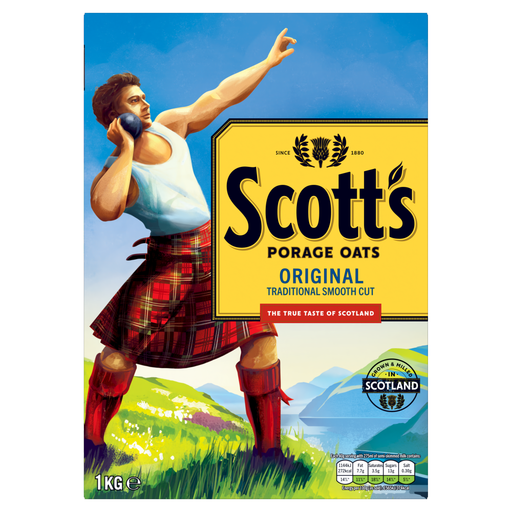 No image available
A plain bulk-pack choice for routine lunches when you can measure oats and prepare them in a suitable bowl.
The listing states 100% oatmeal, 25 portions and 0g salt per 100g and per 40g dry portion.
It may contain wheat and barley. The listing also gives 0.30g salt for a serving made with 275ml semi-skimmed milk, so check the milk and toppings used for the finished lunch.
 No image available
A pre-portioned option for lecture days when microwave access and quick preparation are the priority.
The listing states six individually packed 38.5g sachets and a 2½-minute microwave preparation time.
Check the current salt panel before choosing it for a lower-salt plan, and check the salt contribution of milk and toppings separately.
No. Check the dry product’s salt figure, then consider what you make it with. Quaker lists 0g salt for 40g of Traditional Rolled Oats as sold, while its example serving with semi-skimmed milk lists 0.30g salt. The NHS also advises checking food labels and limiting added salt and salty sauces.
Compare salt per 100g first, as this gives a consistent basis between packs, then check the serving size and preparation instructions. Waitrose & Partners lists 0.0g salt per 40g serving with water for Essential Porridge Oats, while Mornflake lists 0.03g per 100g and less than 0.01g per 27g sachet for Original Superfast Oats.
You can if microwave use is permitted and you have a suitable microwave-safe bowl. Waitrose & Partners gives microwave instructions for Essential Porridge Oats, and Quaker provides microwave instructions for its rolled oats. Take care with hot liquid and check the current pack for the preparation method.
Do not assume so. If gluten-free suitability is necessary, choose an oat product specifically labelled gluten-free. The Food Standards Agency states that food labelled gluten-free must contain no more than 20 mg/kg gluten as sold, and individual products may still carry may-contain warnings.