Home workers making a low-salt lunch
Choose plain oats when you want a warm lunch with control over water, milk and unsalted toppings. The preparation method matters as much as the oats when managing added salt.


Plain, single-ingredient porridge oats are usually the clearest starting point when keeping added salt low matters: the listed plain products declare from 0g to 0.03g salt per 100g before preparation, while leaving you in control of what goes into the bowl. Choose microwave sachets when a very short lunch break matters most, and compare dry-product values with other dry-product values rather than with porridge made using milk.
Choose plain oats when you want a warm lunch with control over water, milk and unsalted toppings. The preparation method matters as much as the oats when managing added salt.
Microwave sachets can suit a brief break when you do not want to weigh a portion. Compare the nutrition for dry oats separately from values for porridge prepared with milk.
Choose oats explicitly certified or labelled gluten-free when that requirement applies. Plain oats are not automatically suitable for coeliac disease.
Choose this when: You make lunch at home regularly and want control over the portion, liquid and toppings.
Consider: You need to measure the oats and prepare them yourself, so this is less convenient than a sachet.
Choose this when: A short break and access to a microwave are more important than flexible portions.
Consider: Nutrition for dry oats and porridge made with milk use different preparation bases, and individual sachets use more packaging.
Choose this when: Gluten-free status is required alongside the low-salt objective.
Consider: Gluten-free certification addresses a separate requirement, so the current salt declaration still needs checking.
| Priority | What to check | Your needs |
|---|---|---|
| Declared salt | Compare salt on the same as-sold basis, preferably per 100g. Read the ingredient list and consider salt added during preparation. | I want the oats themselves to start with very little salt, while keeping control over what is added to lunch. |
| Preparation time | Check whether a microwave is available, the stated preparation method and the portion format. Larger packs allow measured portions; sachets reduce steps. | A quick bowl may matter on a short work break, while a larger pack can suit regular home lunches. |
| Nutrition basis | Compare dry oats with dry oats, or prepared portions made with the same liquid. Check whether the panel refers to oats as sold or porridge made with milk. | I want to understand what comes from the oats and what changes when I prepare them with milk or toppings. |
| Allergen suitability | Read the current allergen statement and any may-contain warning. If gluten-free oats are required, look for an explicit certified or labelled product. | I need a product that matches my dietary requirement rather than assuming all plain oats are suitable. |
Plain oats can have a very low declared salt value, but the phrase does not establish a product-specific reduced-salt claim. Milk, salt, sauces and toppings can all change the finished lunch.
Compare the current as-sold salt declaration per 100g, then consider every ingredient used to make the bowl. Do not assume that wholegrain, organic or original means a product has a verified reduced-salt claim.
Preparation can alter declared energy, saturated fat, sugars and salt. A dry sachet and a ready-to-eat bowl are not directly comparable nutrition bases.
Compare dry product with dry product, or prepared servings made with the same liquid and portion size.
Standard oat products can carry cereal allergen or cross-contact warnings. A low salt value does not establish gluten-free suitability.
Read the current allergen statement whenever packaging changes. Where gluten-free certification is needed, choose a product explicitly certified or labelled for that purpose.
Large packs offer flexible portions, while sachets can better fit a short break. The right format depends on your equipment, preparation time and how often you will use the oats.
Choose a larger plain pack for frequent home use and a sachet only when measured portions and brief microwave preparation matter more than flexibility.
Store opened oats airtight to help keep the pack suitable for repeated use.
Waitrose Scottish Porridge Oats is a plain Scottish porridge-oat option in a 1kg pack for shoppers comparing supermarket products.
Mornflake offers conventional, quick-cook, jumbo, organic and oatmeal formats. Its organic porridge oats are a plain 100% oat option.
Quaker Oat So Simple Original sachets are aimed at microwave-oriented shoppers who want a measured portion.
Jordans Organic Porridge is an organic wholegrain rolled-oat option for shoppers seeking a traditional porridge format.
Flahavan's has plain, quick, jumbo, high-protein and gluten-free oat options.
Joybuy product options for a low-salt porridge-oat lunch at home, including larger plain-oat packs and one gluten-free-labelled option.
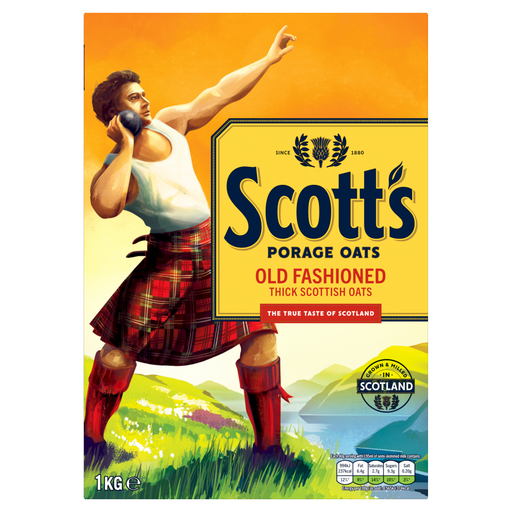 Image unavailable
A plain oat option for regular home lunches where preparation time and added salt can be controlled.
100% rolled oats; 0g salt per 100g. Stated preparation: 2–3 minutes in a microwave or 4–5 minutes on the hob.
May contain gluten from wheat and barley, so check another option if gluten-free oats are required.
 Image unavailable
Suitable for repeat home lunch preparation when you want a plain organic oat base with low declared salt.
100% organic wholegrain oat flakes; less than 0.01g salt per 100g; 3.3g fibre per 40g serving. Supplied as two 1kg packs.
Contains oats and is not presented as a certified gluten-free product. Check preparation instructions if lunch needs to fit a short break.
 Image unavailable
A plain oat-flake option for shoppers looking for a low-salt base alongside a gluten-free-labelled product.
100% gluten-free oat flakes; salt declared as trace; 3.4g fibre per 40g portion.
Check the current pack if recognised gluten-free certification is required, and confirm preparation time for short lunch breaks.
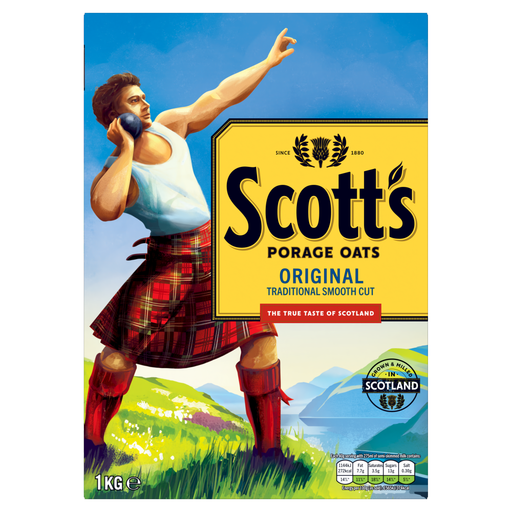 Image unavailable
A larger plain-oat pack for frequent home lunches where you prefer to choose the portion and toppings.
100% oatmeal; 0g salt per 100g; 3.6g dietary fibre per 40g portion. The 1kg pack states 25 portions.
May contain wheat and barley. Check cooking time before relying on it for a brief work-break lunch.
 Image unavailable
A single-pack organic option for regular home lunches where you want a plain oat ingredient and low declared salt.
100% organic wholegrain oat flakes; less than 0.01g salt per 100g; 3.3g fibre per 40g serving.
Contains oats and is not presented as certified gluten-free. Confirm cooking instructions if quick preparation is essential.
Plain oats can be a low-salt starting point, but choosing oats alone does not establish a reduced-salt finished meal. The reviewed plain products declare 0g, 0.01g or 0.03g salt per 100g before preparation; salt, sauces and salty toppings can increase the total. The NHS says adults should have no more than 6g of salt a day in total.
Use per-100g figures to compare dry oat products on a common basis, then use the serving figure to understand your own portion. Do not compare dry oats with a prepared-with-milk value, because the preparation basis changes the nutrition information.
You can choose how to prepare plain oats, but adding salt reduces the benefit of starting with a low-salt product. The NHS advises tasting food before adding extra salt and using flavourings such as herbs, spices, pepper, garlic, chilli or lemon juice where suitable.
No. Some standard oat products carry warnings for other gluten sources or nuts, while Flahavan’s separately identifies a certified gluten-free oat product. If gluten-free status is required, choose a product explicitly certified or labelled for that purpose and check the current pack.
Follow the pack instructions after opening and keep oats in suitable storage for repeated use. Check the best-before date and the storage guidance on the product you choose.