Buying priorities
Start with the format that fits your preparation routine, then check the exact pack’s allergen information and whether the finished oat-based food works for the school day.
| Priority |
What to check |
Your needs |
| Format and home portioning |
Compare loose oats, sachets and pots by the role they serve. Check pack size and whether you can portion an oat-based dish at home. |
I can prepare and divide portions at home, so a plain oat pack may fit the lunch plan. |
| Preparation time |
Check the stated cooking method and timing. Plan whether the food will be made before school or prepared in advance in a suitable container. |
Morning time is tight, so I need an oat format that fits the time available before leaving home. |
| Gluten and allergen suitability |
Read the current pack for a gluten-free claim, oat allergen emphasis and any may-contain statements. Check the child’s dietary plan and the school’s policy. |
A gluten-free label matters only where it is required; it does not mean the product is suitable for an oat allergy. The Food Standards Agency states that oats must still be emphasised as an allergen. |
| Lunch composition |
Plan oats as one part of the packed lunch. Add suitable foods from other food groups where appropriate for the child and school policy. |
I want the oat-based item to sit alongside other lunchbox foods rather than make up the whole lunch. NHS guidance recommends including foods from each food group. |
Joybuy product options
Joybuy product options for home-prepared oat lunches, including gluten-free-labelled oats, rolled oats and a sachet format for shorter preparation time.
 No image available
Morrisons Free From Gluten Free Oats 1kg
For home-prepared oat dishes where a gluten-free-labelled pack is required.
Check the child’s dietary plan and the school’s allergy arrangements, as oats remain an allergen.
Joybuy
 No image available
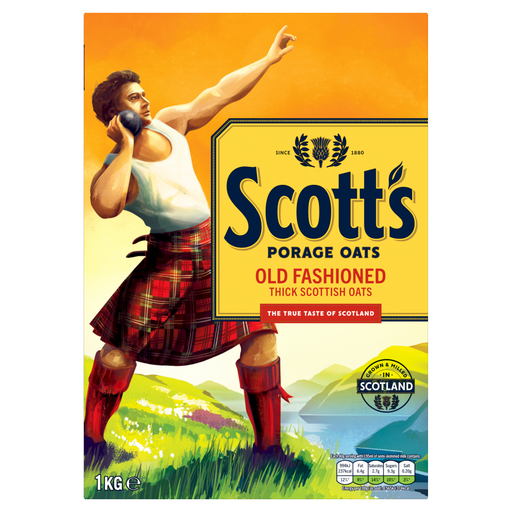
Scotts Porage Oats Old Fashioned Porridge Oats 1kg
For households that can cook and portion a plain oat dish at home.
The product may contain wheat and barley, so choose a gluten-free-labelled alternative where that claim is required.
Joybuy
 No image available
Flahavan’s Organic Porridge Oats 1kg
For families preparing and portioning a plain oat-based lunch item at home.
The product identifies oats as containing gluten, so it is not the right choice where a gluten-free-labelled product is required.
Joybuy
 No image available
Quaker Oat So Simple Big Bowl Original 6 Pack 231g
For a sachet format when measured portions and short preparation time matter.
Check whether the prepared portion, container and timing fit the school’s storage and allergen arrangements.
Joybuy
Frequently asked questions
Are ordinary porridge oats suitable for a child who needs gluten-free food?
Not automatically. Use a product specifically labelled gluten-free where that claim is required. The Food Standards Agency states that a gluten-free claim applies only where food contains no more than 20 mg/kg gluten, but oats must still be emphasised because oat allergy is distinct from gluten intolerance. Check the current pack and follow the child’s healthcare plan.
Do I need to check the school’s allergen policy before packing oat-based food?
Yes, where the child or school community has relevant allergy or medical-condition requirements. In England, schools must publish an allergy safety policy describing arrangements to reduce exposure to known allergens. Families in Scotland, Wales and Northern Ireland should confirm their own school’s policy rather than relying on England guidance.
Is a porridge-oat pot the right choice for a packed lunch?
A pot is primarily a convenience format. It can suit a household that needs an individual portion, but loose oats may be more practical when you can prepare and portion the food at home. Check that the finished food can be stored and transported in line with the school’s arrangements.
How can oats fit into a school packed lunch?
Treat oats as one component rather than the whole lunch. NHS guidance recommends basing the main lunchbox item on starchy foods and choosing wholegrain where possible; NHS-linked guidance also advises including foods from each food group. Adapt the combination to the child’s needs and the school’s policies.


