
24/7 Customer Support

Free returns

Same-day & Next-day Delivery

Quality Guaranteed

Unlock Your Welcome Offers: FREE Delivery | Up to 80% OFF | Free 30-day JoyPlus trial
Download the APP
Porridge oats are a staple of the British breakfast table, known for being a warm, nourishing and affordable start to the day. Yet, the supermarket aisle and online stores present a bewildering array of choices, from quick-cook sachets to hefty bags of traditional flakes. Navigating this selection can lead to purchases that don't quite meet our needs, whether in taste, convenience or nutritional value.
As a Joybuy Product Recommendation Officer, my role is to help you see past the marketing clutter. Here, we’ll look at the common pitfalls to avoid and the key factors to consider, ensuring your next bowl of porridge is exactly what you're looking for.
Before you add a box to your basket, be aware of a few common traps that can lead to buyer's remorse.
instant porridge sachets are marketed as a wholesome and quick breakfast. While convenient, flavoured varieties can contain surprisingly high amounts of sugar. A single serving might have as much sugar as a biscuit, which may not align with your goal of a healthy breakfast oats option. Always check the 'of which sugars' value on the nutritional panel.porridge sachets are undeniably handy for busy mornings or taking to the office. However, this convenience comes at a cost. When compared gram-for-gram, these sachets are often significantly more expensive than buying a larger bag of 1kg oats. If you eat porridge regularly, the cost difference can add up substantially over a year.microwave porridge will result in a chewy, undercooked breakfast. Conversely, using finely milled instant oats for overnight oats can leave you with a textureless mush. Understanding the different oat types is key to a satisfying result.To make a confident choice, focus on these three practical parameters.
The texture and cooking time of your porridge are determined by how the oat groat has been processed.
Scotts Porage are classic examples of this type.Oatbran is not typically used to make a traditional porridge on its own but can be added to boost the fibre content or used in smoothies and baking.The simplest ingredient list is often a sign of a quality product: "100% Wholegrain Oats". For flavoured options, look for natural flavourings and check the sugar and salt content. If you have specific dietary requirements, careful label-checking is essential. While oats are naturally gluten-free, they are often subject to cross-contamination with wheat or barley during farming and processing. If you require a gluten-free diet, you must select a product explicitly certified as gluten free oats.
Consider how often you eat porridge.
To help you find the right fit, here are a few options matched to different needs and lifestyles.
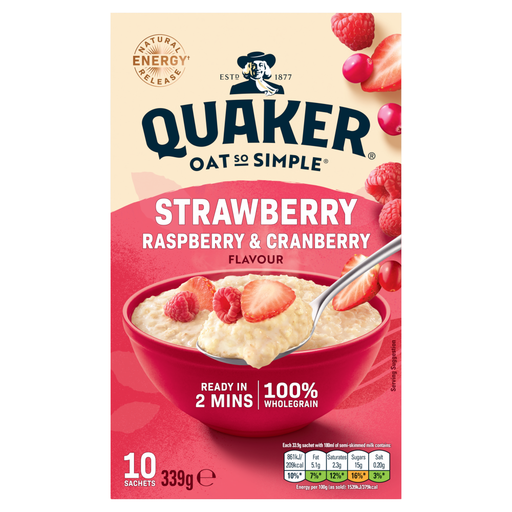
Why This Fits Their Persona: For those with packed mornings, these sachets are a lifesaver. They cook in just two minutes in the microwave and are pre-portioned, eliminating guesswork and mess. It's an easy, warm breakfast at home or in the office kitchen.
While it contains sugar for flavour, the sachet format provides automatic portion control, helping to manage intake. The flavour comes from natural sources and real fruit pieces, not just artificial additives.
Unbeatable convenience with a 2-minute cook time. Consistent taste and texture every time.

Why This Fits Their Persona: This large 1kg bag is perfect for those who value economy and versatility. It's a blank canvas for breakfast, ready for the hob, and can also be used in family favourites like flapjacks, crumble toppings or homemade granola.
It completely sidesteps the hidden sugar trap as it contains 100% rolled oats and nothing else. It also offers far better value for money than convenience formats, avoiding the "convenience tax".
Excellent value per serving. Highly versatile for both cooking and baking. You have full control over sugar and flavourings.

Why This Fits Their Persona: For individuals with coeliac disease or a non-coeliac gluten sensitivity, finding safe oats is non-negotiable. This product is explicitly part of a 'Free From' range, providing the assurance needed to enjoy porridge without worry.
It directly solves the critical issue of cross-contamination, a hidden risk in standard oats. The 'Gluten Free' certification is the key feature, ensuring it's safe for those who medically require it.
Certified gluten-free for safety and peace of mind. An economical 1kg bag, which is often hard to find in 'Free From' ranges.
We have compiled a complete, real-time list of products that fully satisfy these strict selection criteria and UK safety regulations.
1. Are porridge sachets as healthy as traditional rolled oats? It depends entirely on the product. A sachet of plain, unflavoured instant porridge is simply a smaller portion of oats and is just as nutritious. However, many flavoured sachets contain added sugar and salt. The main difference is that traditional rolled oats in a large bag give you complete control over what you add, whereas sachets offer convenience, sometimes with added ingredients.
2. What is the difference between Quaker Oats and Scotts Porage Oats? Both are long-standing brands offering high-quality oats. The primary difference often noted by consumers is the texture. Scotts Porage oats are milled to be a bit thicker, which can result in a chewier, more substantial porridge. Quaker Oats are often associated with a smoother, creamier consistency. Ultimately, the choice between them often comes down to personal preference.
3. Can I eat porridge oats if I am gluten-free? While oats are a naturally gluten-free grain, they are frequently grown, transported or processed alongside wheat, barley and rye. This creates a high risk of cross-contamination. If you have coeliac disease or a significant gluten sensitivity, you must only purchase oats that are explicitly certified and labelled as gluten free oats. This certification ensures they have been produced in a controlled environment to prevent contamination.