Workers with a ventable home office
If the whole room becomes too hot to work in, active cooling may help, provided you can route an exhaust hose outside. Measure the room and check both the exact model’s stated coverage and its window-kit fit.


Choose a portable air conditioner if you need to lower the room temperature and can vent its exhaust outside through a suitable opening. If air movement at your desk is enough, a fan, daytime shading and ventilation when outdoor air is cooler may be more practical; a fan will not actively cool the room. Before choosing an air conditioner, check the exact model’s room coverage, window fit, declared noise and electricity use.
If the whole room becomes too hot to work in, active cooling may help, provided you can route an exhaust hose outside. Measure the room and check both the exact model’s stated coverage and its window-kit fit.
Cooling is only useful for your working day if the appliance’s sound is manageable during calls and focused tasks. Check whether each declared noise figure describes sound pressure, sound power or a particular operating mode before comparing models.
If you need relief mainly during the hottest working hours, decide whether a fan and shading meet that need before committing to active cooling. Energy Saving Trust’s guidance distinguishes a fan’s personal cooling effect from an air conditioner’s ability to cool room air and identifies a substantial difference in electricity use.
Start with whether you need the room itself to cool and whether you can vent heat outside. If a portable air conditioner passes those tests, assess its coverage, noise and electricity use for your working day.
Choose it when: The room needs active cooling and a suitable opening can accommodate the exhaust hose.
Trade-off: It needs floor space and an external venting route, and uses more electricity than a fan, according to Energy Saving Trust.
Choose it when: Air movement at your desk is enough, or you cannot arrange a suitable exhaust route.
Trade-off: A fan can help you feel cooler but does not directly lower room temperature, as Energy Saving Trust explains.
| Concern | What to check | Who this matters to |
|---|---|---|
| Room coverage | Measure the workspace and compare it with the exact model’s stated coverage; consider strong daytime sun too. | When the whole workspace overheats, I need a unit whose stated coverage fits my room rather than choosing by BTU alone. Around 31% of consumers put room coverage first. |
| Exhaust and window fit | Check the opening style and dimensions against the supplied kit, hose route and any property restrictions. | If I cannot fit and secure the exhaust at my window, active cooling is not a workable setup for my desk. For around 31% of consumers, a usable venting route is the primary concern. |
| Noise during work | Check the measurement type and operating mode behind declared sound figures before comparing them. | Long calls or concentrated work make appliance sound a deciding factor even when a unit can cool the room. Around 23% of consumers put manageable working noise first. |
| Electricity use | Consider the exact unit’s electrical input, your tariff and the hours you would run it; use shade and cooler-time ventilation where practical. | If I only need cooling during the hardest part of the day, I want to judge the electricity involved before leaving a unit running for a full shift. Keeping electricity use manageable comes first for around 15% of consumers. |
In cooling mode, a portable air conditioner needs to expel heat outside. The electriQ P12C’s supplied kit, for example, is designed for sliding or sash windows and is not suited to every opening.
Inspect your window’s opening style, available space and a secure hose route before ordering; do not choose on cooling capacity alone.
A different window seal or adaptor may be needed if the supplied kit does not fit.
Energy Saving Trust distinguishes the electricity use of portable air conditioning from that of a fan. Unshaded sun and unnecessary runtime can make the cooling decision less practical for an occasional heatwave.
Shade the room during hotter daytime periods, ventilate when outdoor air is cooler and safe to admit, and consider using active cooling during the work periods when you need it most.
A quiet-mode claim and a sound-pressure range need not describe the same operating conditions. A figure that looks lower on paper does not, by itself, establish which appliance will be less disruptive on a call.
Compare figures stated for the same measurement type and comparable modes, and check the retailer’s applicable return terms before buying.
Meaco’s portable-air-conditioner manual calls for a grounded outlet, unobstructed air intakes and a stable, level surface. A damaged lead or unsuitable placement creates a safety concern.
Follow the manual for the exact appliance. Do not assume an extension lead is suitable unless the manufacturer permits it and its electrical rating is appropriate.
The Cirro 12,000 BTU cooling-only model is one reference point for a home office where declared coverage and a quieter operating mode matter.
The P12C provides a model-specific reference for checking coverage, exhaust components and declared sound pressure together.
The Pinguino PACEM82K.1 offers another set of published model details to assess against a workspace and window.
These vented portable air conditioners are choices to assess if your workspace needs active cooling. Compare each model with your room and window before treating its capacity or convenience features as a reason to buy.
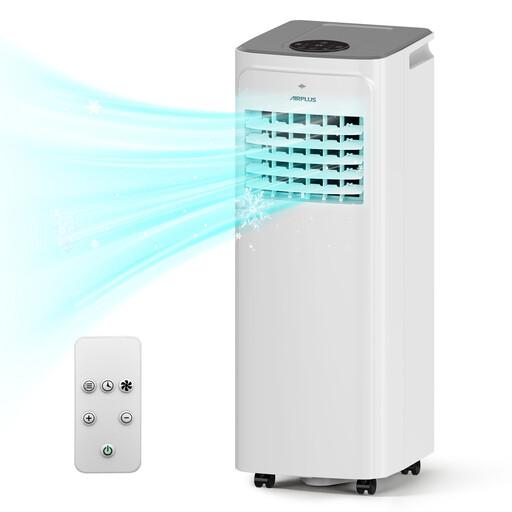 No image available
Consider this model if your workspace fits its stated coverage of up to 30 m² and you have an opening for its exhaust. The listing names cooling, dehumidifying and fan functions, a 24-hour timer and an included window kit. Check the kit’s fit, the declared noise and electrical input for your working pattern. The product identifies R290 refrigerant as flammable; follow its safety instructions.
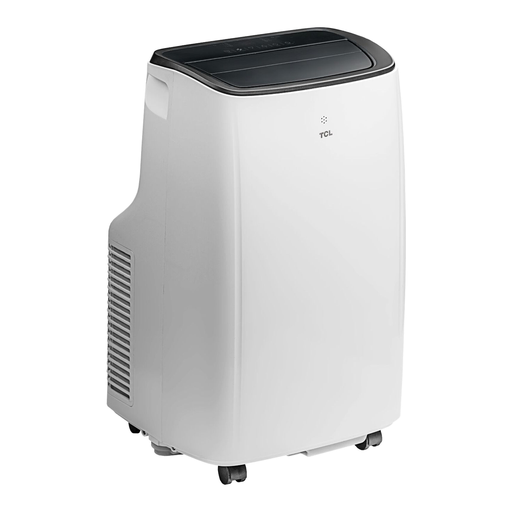 No image available
This vented model may suit a home office where app control and scheduling are useful alongside active cooling. Its title specifies cooling, fan and dehumidifier functions, Wi-Fi/app control and a 24-hour timer. Confirm the room coverage, noise and electrical input for your needs. The kit is described differently in the product title and description, so confirm which window fitting is supplied.
 No image available
Consider this vented model only after checking that its stated coverage suits your workspace; its 7000 BTU rating alone does not settle room fit. The title lists cooling, fan and dehumidifier functions, Wi-Fi/app control, sleep mode and a 24-hour timer. Check the noise and electrical input, and confirm the supplied window fitting because the title and description describe the kit differently.
 No image available
This is a vented option to assess if adjustable settings and scheduled use matter in your workspace. The title lists cooling, dehumidifier, fan and sleep modes, a 16–30°C adjustment range, a 24-hour timer and an included window kit. Check its room coverage and noise against your working conditions and confirm the kit fits your opening. The product identifies R290 refrigerant as flammable; follow its safety instructions.
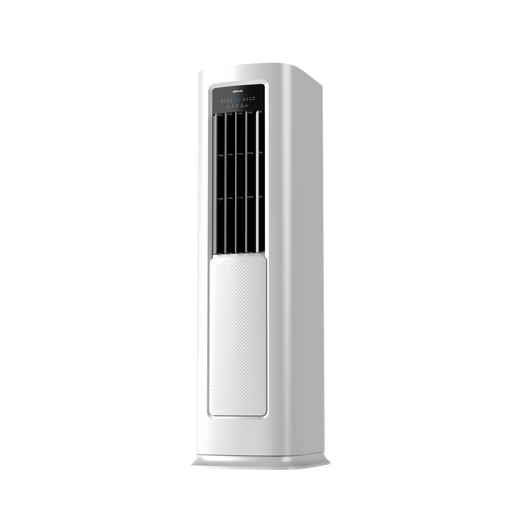 No image available
Assess this vented model against your measured workspace rather than assuming its 12,000 BTU label guarantees a particular room fit. The title identifies cooling, fan and dehumidifying functions. Check the exact room coverage and noise declaration if calls matter, and use the appliance’s electrical input and your expected runtime when considering electricity use.
In cooling mode, it needs a suitable route to vent its exhaust outside; electriQ’s portable-air-conditioner guidance explains that this removes heat from the room. Check the exact model’s hose and kit against your opening before buying: a kit designed for sliding or sash windows may not suit another window type.
A fan can help cool you through air movement, but it does not directly lower the room’s air temperature. Energy Saving Trust distinguishes that effect from portable air conditioning’s active room cooling, so a fan is a practical choice when personal comfort is enough, not when the room itself must cool.
Compare declared noise measurements only when you understand their type and operating mode. Meaco claims 45 dB for Cirro’s Super Quiet mode, while electriQ’s P12C and De’Longhi’s PACEM82K.1 list sound-pressure ranges; those manufacturer declarations do not establish a like-for-like ranking of call noise.