
24/7 全天候客户支持

免费退货

当日/次日达

品质保障

开启新人专享福利: 全场免邮 | 低至 2 折 | 免费试用 30 天 JoyPlus 会员
下载 Joybuy
A spare bed can be invaluable when family or friends stay over, while the right sleeping mat can make a wet weekend in the Lake District far more comfortable. However, portable air beds and camping sleeping mats vary considerably in size, insulation, inflation method and storage requirements.
The most expensive mistake is choosing by appearance alone. A tall air bed may be awkward to carry, while an ultralight camping pad may not provide enough cushioning for regular guest use. Before buying, watch for these common pitfalls.
Some products use a built-in electric pump, while others have an integrated foot pump that still requires manual effort. A self-inflating air bed with a motor can be convenient for a spare bedroom, but it needs access to a suitable power socket. A camping mat with a foot pump is more practical away from mains electricity, although inflation still takes physical effort.
Always check whether the pump is included, built in or sold separately. The Bestway air mattress listed here requires an air pump, which is not included.
A double camping mattress offers more room for two people, but it also takes up more space inside a tent and adds weight to transport. A single camping mattress may be more suitable for backpacking, narrow tents or solo trips.
Check the inflated dimensions, not only the packed size. Also measure your tent floor, spare-room space and storage cupboard before ordering.
Air alone does not automatically provide adequate protection from a cold or damp UK campsite floor. A sleeping pad’s insulation rating, such as R-value, indicates how well it resists heat loss to the ground. The Mobi Garden egg-crate foam sleeping pad has an R-value of R2.6, while its NT model uses egg-crate cavities to form an insulating air layer.
For colder conditions, a thin inflatable camping mat may need to be paired with a foam pad. Always clear away stones, twigs and other sharp objects before placing an inflatable or foam sleeping mat on the ground.
For occasional indoor guests, an air mattress with built-in pump can reduce setup time and avoid storing a separate pump. The Yawn Deluxe models feature a 2-in-1 built-in motor designed to inflate and deflate the bed in approximately five minutes.
For hiking and camping, look at the weight and packed dimensions of the inflation system. A built-in foot pump avoids mouth inflation and external equipment, but it may not suit everyone after a long day outdoors.
A raised air bed is easier to get into and out of than a low camping sleeping pad. This may be useful for guests who prefer a bed-height sleeping surface. The Yawn Deluxe models have a stated raised height of 45 cm, plus a headboard and raised rim.
For outdoor use, consider the construction. Inflatable mats commonly use nylon or polyester with a TPU coating, while folding camping mattresses use moulded foam. A flocked surface can help reduce sheet movement and may feel softer indoors, whereas a water-repellent polyester surface is useful for outdoor damp.
A lightweight sleeping mat is easier to carry, but reduced weight can mean less thickness or width. The single VXOYO mat weighs approximately 690 g and packs to around 26 × 10 cm, while the double version weighs approximately 1.7 kg and packs to 29 × 16 × 16 cm.
For home use, packed size is less important than stability and storage. For backpacking, every kilogram and centimetre matters. Dry all products fully before storage, keep inflatable items away from sharp objects and avoid placing foam pads near prolonged heat or direct sunlight.
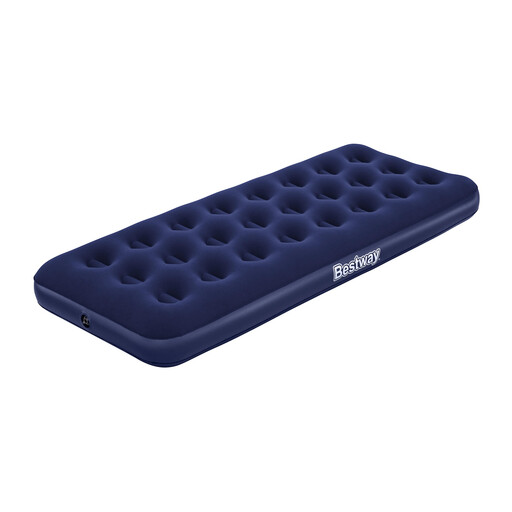
Why This Fits Their Persona: A practical option for UK households wanting an occasional spare bed for children, sleepovers or short-term visitors, indoors or outdoors.
Its dimensions, PVC construction and pump requirement are clearly specified, helping buyers avoid assuming that an air pump is supplied.
Velvet-like sleep surface, inner coil beam construction and a 2-way quick-release valve for inflation and deflation.
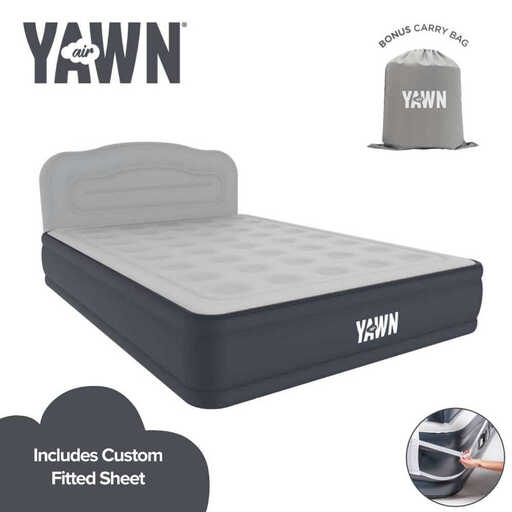
Why This Fits Their Persona: Designed for households that want a more conventional spare-bed arrangement for adult guests, holidays or regular sleepovers.
The fitted sheet, built-in pump, 45 cm height and headboard are specified, so buyers can assess convenience rather than relying on vague comfort language.
Includes a fitted sheet and carry bag, with 40 independent support structures and flocked top surface.
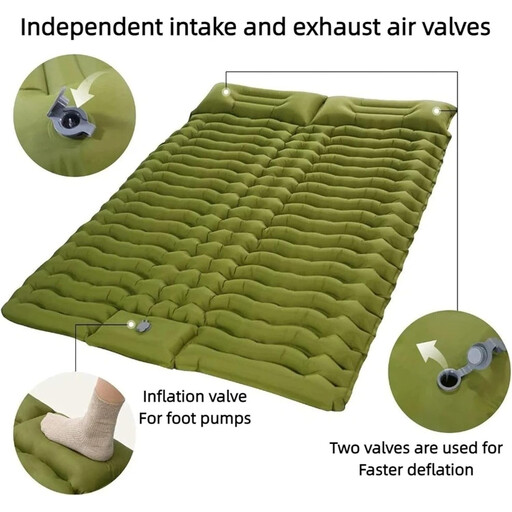
Why This Fits Their Persona: Suited to couples, family tent users and car campers who want a wide inflatable camping mat without carrying a separate pump.
Its 1.7 kg weight and packed dimensions are stated, making the trade-off between double width and portability clear.
200 × 140 × 8 cm inflated size, built-in foot pump, integrated pillow and multi-layer TPU-coated polyester construction.
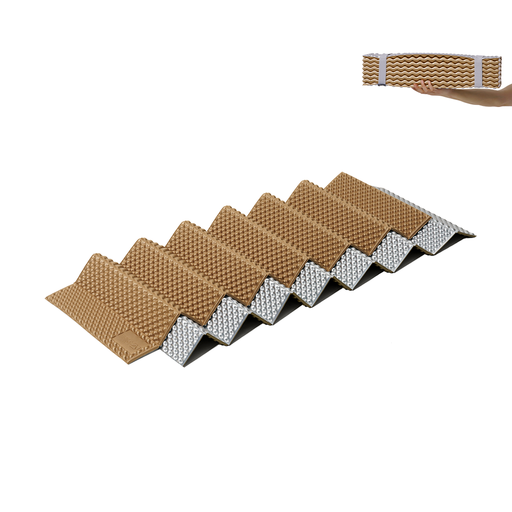
Why This Fits Their Persona: A compact choice for trekking and backpacking where low weight, quick deployment and resistance to punctures are priorities.
The foam format does not depend on an air valve, reducing the risk of puncture-related loss of inflation during a trip.
Approximately 0.5 kg, with a 183 × 55 × 1.7 cm open size and egg-crate cavities designed to create an insulating air layer.
We have compiled a complete, real-time list of products that fully satisfy these strict selection criteria and UK safety regulations.
It depends on the design. The Yawn Deluxe air bed range specifies approximately five minutes using its built-in motor. Inflatable camping mats with integrated foot pumps may take around 30 seconds to three minutes, depending on the model and user. Products requiring an external pump will vary according to pump type.
They can be, but suitability depends on insulation, thickness, sleeping bag performance and ground conditions. Check the stated R-value where available. A foam insulated sleeping pad can be combined with an inflatable mat to add cushioning and reduce contact with cold ground.
Lifespan depends on frequency of use, storage and exposure to sharp objects, heat and moisture. PVC air beds and TPU-coated mats should be checked regularly for leaks or valve damage. Cleaning, drying thoroughly and storing them correctly can help prevent avoidable deterioration.