
24/7 Customer Support

Free returns

Same-day & Next-day Delivery

Quality Guaranteed

Unlock Your Welcome Offers: FREE Delivery | Up to 80% OFF | Free 30-day JoyPlus trial
Download the APP
As UK summers grow warmer, the appeal of a cool, comfortable home is undeniable. A portable air conditioner seems like the perfect solution for properties without central air conditioning. However, the market is filled with models that promise much but deliver little, often leading to buyer's remorse.
As a Joybuy Product Recommendation Officer, my role is to help you navigate the options and identify the key features that genuinely matter. Before you spend your money, let's look at the common pitfalls that catch many buyers out.
portable air conditioner works by extracting heat from your room and expelling it outside through a large hose. Without this vent, the unit simply circulates warm air, making your room more humid and uncomfortable.quiet portable air conditioner should be a priority for bedrooms and offices.energy efficient air conditioner is a smarter investment for long-term use.To make an informed choice, focus on these core parameters. They determine whether a unit is right for your space and needs.
The single most important specification is the BTU (British Thermal Unit) rating. This measures the unit's cooling capacity. Choosing the wrong BTU rating is a common mistake; too low, and it won't cool your room effectively, too high, and you're wasting energy.
Here is a general guide for typical UK room sizes:
9000 btu air conditioner is generally sufficient for a small bedroom, study or home office.12000 btu air conditioner to effectively cool a living room, open-plan kitchen or large master bedroom.Modern units offer more than just cold air. A 3 in 1 air conditioner typically combines:
Additionally, look for smart features. A smart air conditioner with Wi-Fi allows you to control the unit via a smartphone app, so you can pre-cool your home before you arrive.
While a mobile air conditioner doesn't require permanent installation, it does need to be set up correctly. All units come with an exhaust hose and a window venting kit. It is crucial to check that the supplied kit is compatible with your window type (e.g., sash, casement). Some UK casement windows can be tricky, so measure carefully.
If you're not confident with DIY, professional air conditioner installation services can ensure your unit is set up correctly and safely, optimising its performance from day one.
We've matched some models to different household needs, helping you find a unit that fits your lifestyle and avoids the common traps.
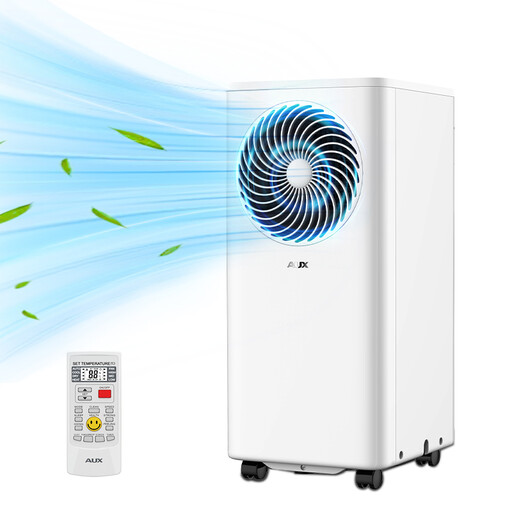
Why This Fits Their Persona: An ideal choice for cooling a single bedroom or home office without a large initial investment. Its smart features offer a level of convenience not always found at this price point.
It's a true air conditioner with an exhaust kit, has a stated quiet operation of 52 dB(A) with a dedicated Sleep Mode and its Class A energy rating helps manage running costs.
Features Wi-Fi and app control for remote operation. The self-evaporation system reduces the need for frequent draining.
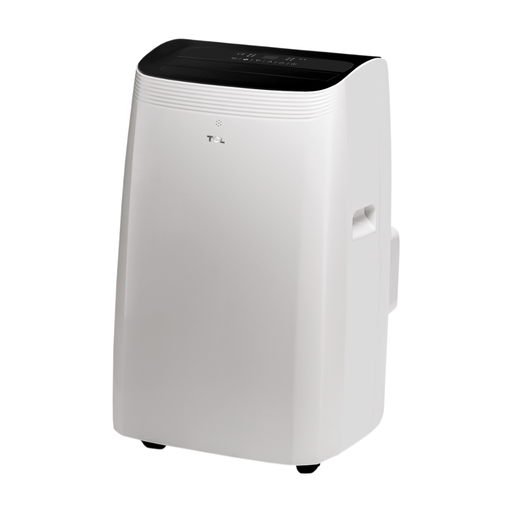
Why This Fits Their Persona: Perfect for those wanting powerful cooling for a larger living room or open-plan area, combined with the convenience of full smart home integration.
The powerful 12,000 BTU capacity is matched with a Class A energy rating, ensuring efficient performance. Its Sleep Mode helps manage noise levels overnight.
Full Wi-Fi, app and voice control compatibility. It also uses R290 refrigerant, which has a lower environmental impact.
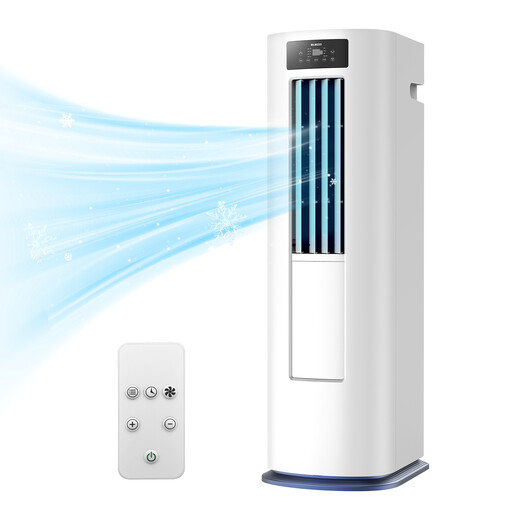
Why This Fits Their Persona: Designed for smaller UK flats, box rooms or studies where space is a premium. Its lower BTU rating is more energy-efficient for cooling a confined area.
This is a proper 3-in-1 vented unit, not an evaporative cooler. Its Class A energy rating and lower power draw make it an economical choice for small rooms, avoiding bill shock.
Its compact footprint and multi-function design make it a versatile appliance for year-round use without taking up excessive space.
We have compiled a complete, real-time list of products that fully satisfy these strict selection criteria and UK safety regulations.
The running cost depends on three factors: the unit's power consumption (in kilowatts, kW), your electricity tariff (pence per kilowatt-hour, kWh) and how many hours you use it. For example, a 1kW unit with a Class A energy efficient air conditioner rating, used for four hours a day, might cost between ?1.00 and ?1.20 per day based on average 2026 electricity rates. Always check the power input (W) on the specification sheet.
Yes, this is non-negotiable for any real air conditioner. The hose expels the hot air and moisture that the unit has removed from your room. If you don't vent it outside, the unit will be releasing that same hot air back into the space you are trying to cool, making it completely ineffective.
Old air conditioners are classified as Waste Electrical and Electronic Equipment (WEEE) and must be disposed of responsibly due to the refrigerants they contain. You cannot simply put them in your household bin. Many retailers offer an air conditioner recycling service, where they will collect your old unit when delivering a new one, ensuring it is handled in an environmentally safe manner. Joybuy provides a dedicated Portable Air Conditioner Disconnection & Recycling service to make the process straightforward.