Single-room heatwave coolers
If one bedroom, home office or living room needs cooling, compare the unit’s stated room guidance with that space and its heat exposure. You will also need an opening through which to vent the exhaust outdoors.


Choose a portable air conditioner when you need to lower the temperature of one room and can vent its hot-air hose outdoors through a suitable opening. Match the model’s stated cooling capacity and room guidance to your space, then check the window seal, operating noise and electricity use. If personal airflow is enough, a fan avoids the exhaust setup and uses less electricity, according to Energy Saving Trust.
The deciding question is whether you need to cool the room itself, rather than feel a breeze where you sit. A portable unit also needs a workable route for its hot-air exhaust.
If one bedroom, home office or living room needs cooling, compare the unit’s stated room guidance with that space and its heat exposure. You will also need an opening through which to vent the exhaust outdoors.
A unit that suits the room on capacity may still be disruptive during sleep or focused work. Compare the stated sound level for the exact model and operating mode you intend to use.
An awkward window can make exhaust sealing a significant part of the decision. If you only want airflow occasionally, weigh the need for room cooling against the portable unit’s electricity use and setup.
Decide whether you need lower room temperature or personal airflow before comparing portable units. Energy Saving Trust distinguishes a fan’s airflow from air conditioning that removes heat from the room; an installed system is a separate, longer-term property decision rather than a plug-in alternative.
| Concern | What to check | Who this matters to |
|---|---|---|
| Cooling capacity and room fit | Measure the room and compare it with the exact model’s stated room-size guidance. Allow for ceiling height, direct sun and other heat sources. | If I need to cool a sun-exposed bedroom, a capacity figure alone will not tell me whether the unit suits the space. Around 42% of consumers put room fit first. |
| Noise during sleep or work | Compare the stated sound level for the intended operating mode, and check whether the exact model has the controls you need. | When I work or sleep in the room, compressor and fan noise could matter even if the unit can cool it. Around 33% of consumers prioritise quieter operation. |
| Exhaust, electricity and power connection | Check that the hose and kit suit the opening and can vent outdoors. Compare electricity use with your tariff, and check socket or extension-lead ratings. | With an awkward window or limited electricity budget, I need a setup I can use and power safely. For around 25% of consumers, setup and running practicality come first. |
De'Longhi advises matching cooling capacity to room size, while insulation and heat sources can change what a room needs. A capacity figure by itself cannot account for a sunny or poorly insulated space.
Measure the intended room and start with the exact model’s room guidance. Treat that guidance cautiously if direct sun, glazing or heat-generating equipment adds to the cooling load.
The unit needs to expel hot air outdoors. Energy Saving Trust warns that gaps around an exhaust route let warm air back into the room.
Inspect the opening before ordering, then confirm the supplied hose and window-kit type and dimensions. Check whether the opening can be sealed around them.
If the supplied kit does not suit your window, a compatible seal or fitting may be an additional purchase.
Energy Saving Trust’s comparison shows that continuous portable-air-conditioner operation uses considerably more electricity than running a freestanding fan. The distinction matters most when you would use the appliance for long periods.
Compare the unit’s electricity use with your tariff and likely runtime. If airflow meets your need, consider a fan instead; if you need room cooling, use a timer where suitable and cool the occupied room.
Electrical Safety First warns that exceeding an extension lead’s, cable reel’s or adaptor’s marked rating can cause overheating and fire.
Check the appliance load against the marked rating, do not daisy-chain extensions and fully unwind a cable reel when using its full rating. Stop using damaged equipment or a connection showing signs of overheating.
These ranges illustrate different features to compare; check the specifications and supplied accessories of the particular model you are considering.
The Pinguino portable range offers several cooling capacities for single-room use.
Selected portable models emphasise quiet modes and smart controls, with functions varying across the range.
Its range includes compact portable units and larger smart portable models.
Its portable range includes app-controlled models and units combining cooling with other operating modes.
These portable units are options for cooling one room where you can vent an exhaust hose outdoors. Compare each model’s capacity with its room guidance, then confirm that the supplied fitting suits your opening; capacity alone does not settle room fit.
 No image available
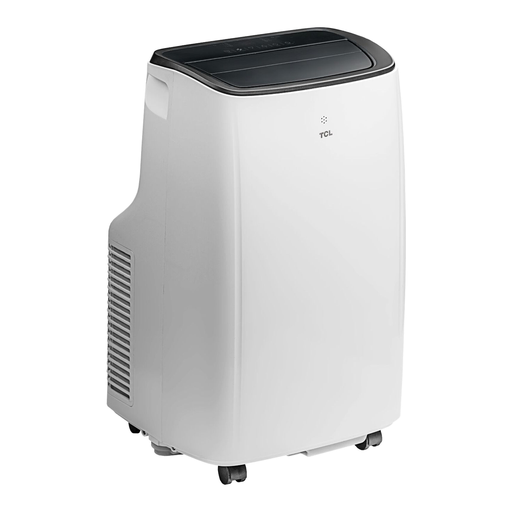
Consider this model for single-room cooling if its room guidance and exhaust arrangement suit your space.
The product title lists cooling, fan and dehumidifier modes, Wi-Fi/app control and a 24-hour timer. It names a zipper window kit, while the accompanying product information describes a different kit type; confirm what is supplied and whether it fits your window. Check the model’s stated room coverage, operating noise and electricity use for your intended use.
 No image available
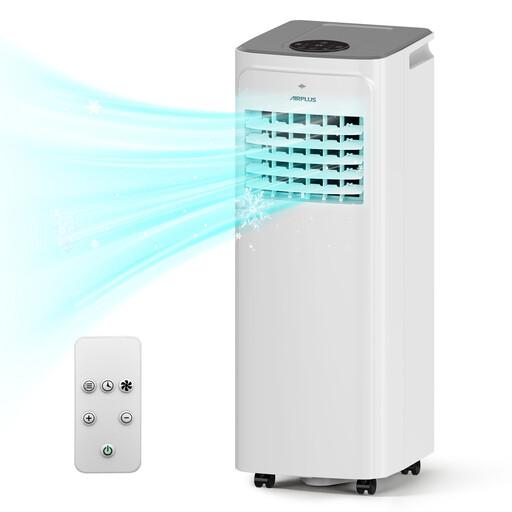
Its stated coverage offers a starting point for a room within that area, but sun exposure and insulation still affect suitability.
The product title lists cooling, dehumidifier and fan functions, a remote control, a 24-hour timer and a window kit. Check that the kit fits your opening and compare the model’s operating noise and electricity use with your plans.
 No image available
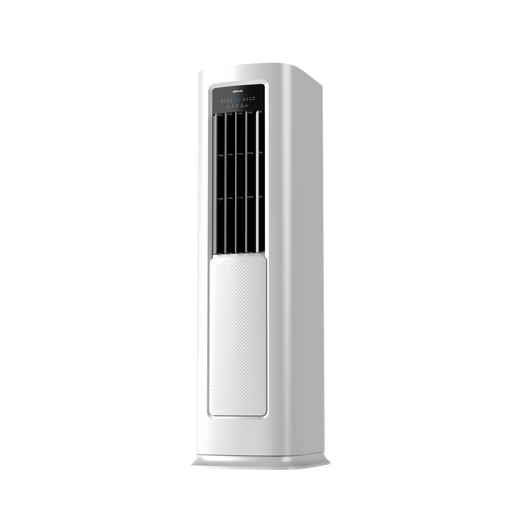
Consider its stated capacity if you need to assess a higher-capacity option for one room; confirm the exact model’s room guidance before deciding it is suitable.
The product title lists cooling, fan and dehumidifying functions. Check the intended window fitting, operating noise and electricity use alongside the room’s heat exposure.
 No image available
This is a lower-capacity option to assess for one room, provided the exact model’s room guidance matches its size and heat conditions.
The product title lists cooling, fan and dehumidifier modes, Wi-Fi/app control, a 24-hour timer and sleep mode. Its title and accompanying product information differ on the window-kit type, so confirm the supplied fitting. Check the operating noise and electricity use if you plan to run it while sleeping or working.
 No image available
Consider this unit only after checking that its room guidance suits the space you need to cool.
The product title lists cooling, dehumidifier and fan functions, a remote control, a 24-hour timer and a window kit. It also mentions sleep mode, which should be confirmed against the model’s operating modes if that feature matters to you. Check window fit, operating noise and electricity use before choosing it for a bedroom or work area.
Yes, for effective room cooling its hot-air exhaust needs a suitable route outdoors, such as a compatible window, door or wall opening. Seal gaps around that route where possible: Energy Saving Trust warns that warm air can otherwise re-enter the room.
Start with the exact model’s stated room-size guidance, then consider ceiling height, insulation, glazing, direct sun and heat-producing equipment. De'Longhi gives around 9,000 BTU or 2–2.5 kW as a general guide for rooms up to 85 m³, not as a sizing rule that will suit every room.
Choose a portable air conditioner if you need to lower one room’s temperature and can vent it outdoors; choose a fan if personal airflow is enough. Energy Saving Trust’s comparison indicates substantially lower electricity use for a freestanding fan, but a fan does not directly cool the room air.
Use a suitable wall socket where practical. If an extension lead or cable reel is unavoidable, Electrical Safety First advises keeping the total connected load within its marked rating; do not daisy-chain extensions, and fully unwind a reel when using its full rating.