
24/7 Customer Support

Free returns

Same-day & Next-day Delivery

Quality Guaranteed

Unlock Your Welcome Offers: FREE Delivery | Up to 80% OFF | Free 30-day JoyPlus trial
Download the APP
A portable air conditioner can provide flexible cooling without the installation commitment of a fixed system. It may suit a rented flat, bedroom, home office, caravan or small business where moving between rooms matters. However, choosing by headline BTU alone can lead to disappointing cooling, unnecessary noise or installation problems.
The most common buying traps are:
BTU/h indicates the unit’s cooling capacity. As a general starting point, a 6000 BTU air conditioner may suit a smaller bedroom or office, while a 7000 BTU air conditioner can offer more flexibility for a small to medium-sized room. A 9000 BTU air conditioner may be considered for a larger bedroom, lounge or open-plan area, while a 12000 BTU air conditioner is intended for spaces requiring greater cooling output.
These figures should be treated as guidance rather than a guarantee. A loft room with direct afternoon sun may need more capacity than a shaded, well-insulated bedroom of the same floor area. Avoid placing a powerful unit in a very small room if it causes frequent compressor cycling or uncomfortable airflow.
Cooling mode requires the hot exhaust air to leave the room. Check whether the product includes:
A portable air conditioner with window kit is usually more convenient for renters and students, but compatibility still matters. Zipper kits can work with many sash or hinged windows, while rigid panels may be more suitable for sliding windows. Do not vent the hose into the room, and do not extend or sharply bend it unless the manufacturer permits this.
Look for the stated input power, energy label and operating modes rather than relying only on phrases such as “energy-efficient air conditioner”. An A-Class rating is an objective specification supplied for some of the models below, but actual running cost depends on electricity tariffs, room temperature, insulation and usage time.
An R290 refrigerant air conditioner uses propane refrigerant with a low global warming potential. R290 is flammable, so the appliance must not be punctured, modified or placed near flames. Keep air inlets clear and follow the supplied safety instructions.
A 3-in-1 portable air conditioner typically combines cooling, fan and dehumidifying modes. These functions can be useful in the UK, where the dehumidifier mode may be practical during damp weather, while fan-only operation can circulate air without compressor cooling. A timer, sleep mode, remote control or Wi-Fi connection can also make daily use more convenient, but they should not replace checking capacity and installation requirements.
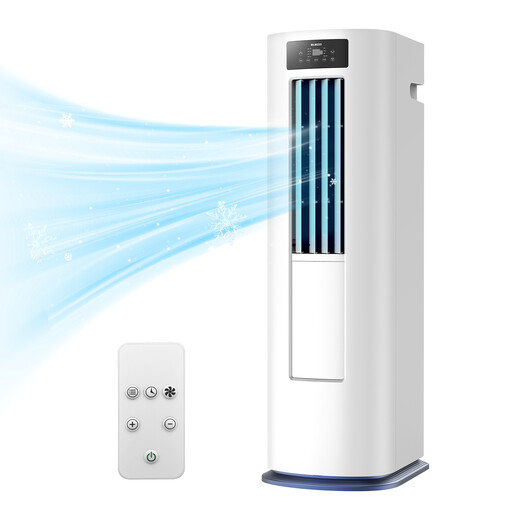
Why This Fits Their Persona: Its 6000 BTU capacity and 3-in-1 cooling, dehumidifying and fan functions suit a smaller bedroom, study or rented room where a compact, flexible appliance is preferred.
The stated capacity, R290 refrigerant, 24-hour timer and window mounting kit are listed clearly, helping buyers check suitability before purchase rather than relying on vague cooling claims.
3-in-1 operation; remote control and 24-hour timer; supplied window mounting kit.

Why This Fits Their Persona: This is suited to homeowners or office workers wanting app-based control, a washable filter and scheduling features for regular use across a small to medium-sized room.
The included push/pull window kit, exhaust hose, washable filter and self-diagnosis features address practical installation and upkeep concerns.
Wi-Fi and TCL Home App control; A-Class rating; sleep mode, auto restart and 24-hour timer.
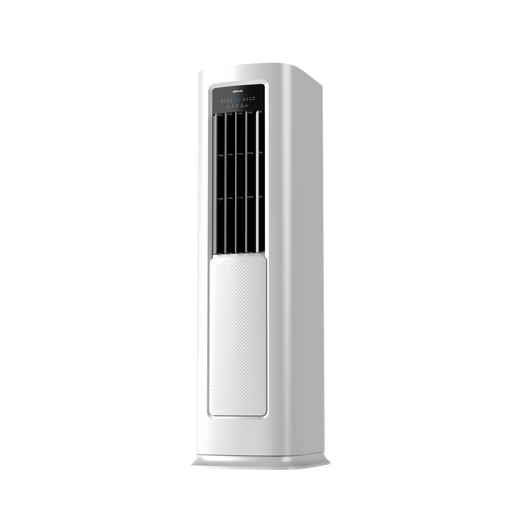
Why This Fits Their Persona: A higher-capacity option for a larger lounge, open-plan area or workspace where stronger airflow and several adjustable settings are useful.
The specification lists input power, temperature range, hose and window accessories, allowing heavy users to assess electrical demand and installation requirements.
Four fan speeds and automatic air swing; cooling, dehumidifying and fan modes; included remote and window installation accessories.

Why This Fits Their Persona: Its castors, recessed handles, four modes and dual drainage ports suit users moving an appliance between a bedroom, home office, caravan or small workplace.
Overflow protection, auto defrost, a washable filter and clear clearance guidance help address water management and maintenance issues.
Four fan speeds; 0–24-hour timer; adjustable 16°C–30°C range and R290 refrigerant.
We have compiled a complete, real-time list of products that fully satisfy these strict selection criteria and UK safety regulations.
Place the portable AC unit on a level, solid floor with clearance around the air intake and outlet. Connect the exhaust hose securely and keep it as short and straight as practical. A standard, properly earthed UK socket should be used; avoid unsuitable extension leads or multi-plug adaptors unless the manufacturer specifically permits them.
Clean the washable filter at the interval stated in the manual. Empty the water container or connect the drainage hose when using dehumidification for extended periods. Keep the appliance away from bathrooms, standing water and open flames, particularly when it uses R290 refrigerant.
Yes. In cooling mode, the exhaust hose should normally discharge warm air through a suitable window kit or seal. Using the unit without proper external venting can reduce cooling performance and increase heat inside the room.
Running cost depends on the appliance’s input power, your electricity tariff and how long it operates. Check the wattage on the product specification and multiply the kilowatt figure by your tariff and hours of use. Timer and sleep functions can help avoid unnecessary operation, but an energy rating alone cannot predict an individual household’s bill.
Service life depends on usage, storage and maintenance. Regular filter cleaning, correct drainage, unobstructed ventilation and careful storage during colder months can help maintain operation. Always follow the manufacturer’s instructions for cleaning, refrigerant servicing and fault handling.