People cooling a sun-exposed lounge
If moving air from a fan is not enough, you need to assess whether an air conditioner can cool your measured room. Check the model’s stated coverage and plan to keep internal doors closed while it runs.


For a south-facing lounge, choose a portable air conditioner only after checking the exact model’s stated room coverage against your room dimensions and confirming that its exhaust hose can reach a suitably sealed opening. Direct sun and glazing can make a coverage figure less useful as a promise of comfort; once room fit and exhaust setup are settled, compare operating noise, placement and the hours you expect to run it.
If moving air from a fan is not enough, you need to assess whether an air conditioner can cool your measured room. Check the model’s stated coverage and plan to keep internal doors closed while it runs.
A sash, hinged or sliding window may determine which exhaust kit will work. Check the opening and the exact package contents before treating a model’s cooling specification as a reason to buy it.
If the unit will run during television viewing, work or relaxation, compare the stated sound level at the setting you expect to use and work out where it can stand without getting in the way.
Measure the lounge and plan the exhaust route first. Then consider how the unit’s sound, position and likely running hours fit the way you use the room.
| Concern | What to check | Who this matters to |
|---|---|---|
| Room fit | Measure floor area and ceiling height; compare them with the exact model’s stated coverage, allowing for direct sun and glazing. | If my lounge heats up in the afternoon, I want a unit suited to the whole room rather than relying on a BTU figure alone. Around 29% of consumers put room fit first. |
| Exhaust setup | Check the opening type, hose reach and supplied kit; look for a way to seal gaps around the exhaust. | With an awkward window, I need to know I can vent the unit without leaving a gap for warm air to enter. For around 29% of consumers, exhaust fit is the primary concern. |
| Noise and placement | Compare sound figures at the intended setting and check the unit’s dimensions against its proposed position. | I use the lounge for conversation or television, so the sound and position of a running unit matter throughout the evening. Around 24% of consumers prioritise this in-room comfort. |
| Electricity use | Check the applicable energy information and consider how many hours you would run the unit or use its timer. | If I expect to cool the room often, I want to understand what regular use would mean for my electricity consumption. Limiting that use comes first for around 18% of consumers. |
A fan moves air around you; a portable air conditioner removes heat from room air. If the aim is to cool the lounge itself, the distinction matters.
Decide whether personal airflow or room cooling is the priority before comparing appliances.
Warm air can enter through gaps around an exhaust opening. Energy Saving Trust advises checking that there are no such gaps where the pipe leaves the window.
Measure the proposed unit-to-window distance and confirm the kit and hose supplied with the exact model.
A different compatible window kit may be needed if the supplied kit does not fit your opening.
The compressor and fan run in the occupied room. A quoted sound figure is most useful when you know which operating setting it describes.
Compare the intended setting and plan the unit’s position relative to seating and the television.
How long an air conditioner runs affects its electricity use, so occasional pre-cooling and prolonged operation are different purchase scenarios.
Check the model’s applicable energy information and use a timer or scheduling feature if it suits your routine.
Meaco’s MC Series Pro 10000 CH is a model to examine if stated room coverage and window-kit options are priorities.
The Pinguino range includes models described with different space and airflow priorities, so compare individual models rather than assuming shared specifications.
The WAVE 3 is a compact, battery-capable option to investigate when movement between smaller spaces or use away from a fixed mains supply matters most.
These are conventional portable air conditioners for consideration where a lounge has a workable window-exhaust route. Compare each listing with your measured room, window and intended evening use before choosing.
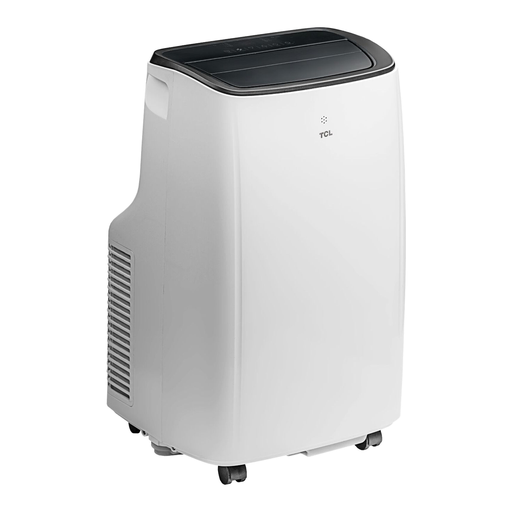 No image available
Consider this model if you want room cooling with a timer and app control, provided its coverage suits your measured lounge.
The title lists cooling, fan and dehumidifier modes, a 24-hour timer and a zipper window kit. Confirm which kit the package contains and whether it fits your opening; check the sound figure for your intended setting.
 No image available
This is another option for scheduled room cooling, but assess the 7,000 BTU model against your lounge’s dimensions and sun exposure rather than assuming it suits the space.
Its title lists cooling, fan and dehumidifier modes, app control, a 24-hour timer, sleep mode and a zipper window kit. Confirm the supplied kit type, window fit and sound level at the setting you would use.
 No image available
Consider the stated cooling capacity alongside your measured room before deciding whether this unit fits a sunny lounge.
The title lists cooling, dehumidifier, fan and sleep modes, a remote control, 24-hour timer and included window kit. Check the kit’s fit and the sound level for evening use.
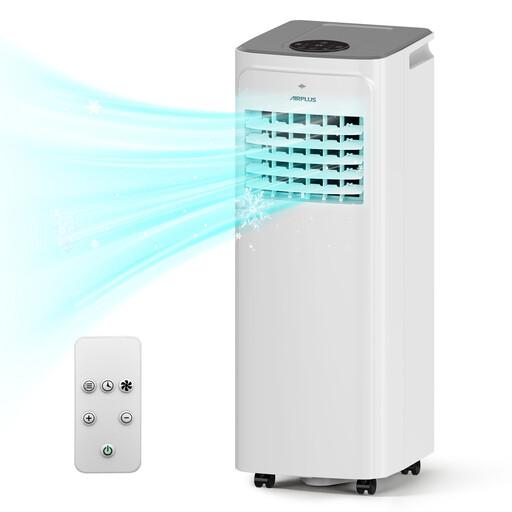 No image available
The listing’s stated coverage gives you a room-size figure to compare with your lounge, but direct sun, glazing and ceiling height still matter.
The title lists cooling, dehumidifier and fan functions, a remote control, 24-hour timer and included window kit. Check whether the kit seals your window and how loud the unit is at your intended setting.
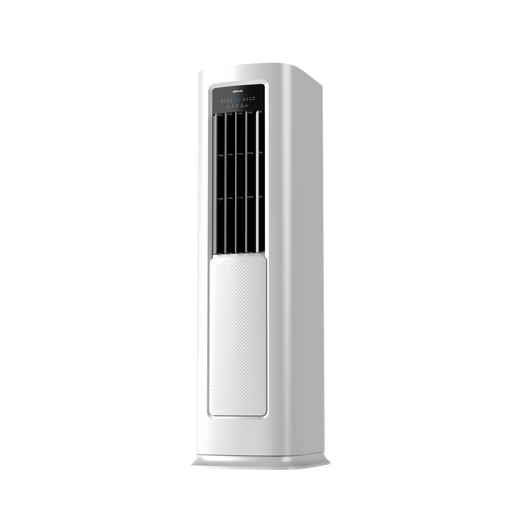 No image available
Assess this model’s stated capacity against the dimensions and sun exposure of your lounge; capacity alone cannot confirm room fit.
The title lists 3,500 W alongside the 12,000 BTU figure and identifies cooling, fan and dehumidifying functions. Check the model’s room coverage, exhaust-kit fit and sound level before choosing it.
A conventional hose-exhaust portable air conditioner needs a practical route to a window or suitable opening that can be sealed around the hose. Energy Saving Trust advises checking for gaps where the exhaust pipe leaves the window; confirm that the exact kit fits your opening before buying.
Measure the lounge, then compare it with the exact model’s manufacturer-stated room coverage while accounting for direct sun, glazing, ceiling height and open internal doors. Meaco states 18–28 m² for its MC Series Pro 10000 CH, while De'Longhi states up to 110 m³ for its Pinguino GentleJet PACAP120GENTLEJET; those model-specific figures use different units and are not interchangeable.
Yes. GOV.UK identifies air conditioners among products covered by energy-information rules. Check the applicable energy label and product information sheet for the model you are considering, then assess electricity use against your intended running hours rather than treating a label as a prediction of your household’s cost.
Follow the instructions for your exact model and place it where the exhaust can reach the opening without obstructing the unit. A Meaco portable-air-conditioner manual specifies a grounded plug and outlet, a stable, level surface and clear air intakes; it also gives refrigerant safety instructions for relevant models.