
24/7 Customer Support

Free returns

Same-day & Next-day Delivery

Quality Guaranteed

Unlock Your Welcome Offers: FREE Delivery | Up to 80% OFF | Free 30-day JoyPlus trial
Download the APP
A portable air conditioner can make a bedroom, home office, living room, caravan or motorhome more comfortable during warm weather without requiring permanent installation. However, choosing the right portable AC unit involves more than comparing BTU numbers or selecting the lowest price.
Some models are convenient and flexible, while others can be noisy, awkward to vent or expensive to run if their capacity does not match the room. The following guide explains the main buying pitfalls, specifications and practical features to check before ordering.
A 6000 BTU portable air conditioner may suit a smaller room, while a 9000 BTU or 12000 BTU portable air conditioner may be more appropriate for a larger or warmer space. Yet BTU is not the only consideration.
Room height, direct sunlight, insulation, the number of occupants and heat from computers or appliances can all affect comfort. A unit that is too small may run continuously without reaching the desired temperature. A more powerful unit may cool the air quickly but could take up more floor space and use more electricity.
Check the manufacturer’s stated suitability, dimensions and power consumption rather than relying on the BTU figure in isolation.
Most single-hose portable air conditioning units need to expel warm air outdoors. This normally requires an exhaust hose connected to a window adapter, sealing panel or zip-up window kit.
Before buying, check:
Without effective venting, warm air can return to the room and reduce cooling performance. A portable unit also needs a level, stable floor and unobstructed air inlets and outlets.
An A-Class or Energy Class A label is a useful comparison point, but it does not show the exact cost of operation. Running costs depend on the appliance’s input power, how long it operates, your electricity tariff and the temperature setting.
For a more practical estimate, multiply the listed input power in kilowatts by the number of operating hours and your electricity price. Using a timer, sleep mode and a sensible temperature setting can help avoid unnecessary operation. An energy-efficient portable air conditioner should also be maintained properly, as a blocked filter can restrict airflow.
The products in this guide range from 6000 BTU to 12000 BTU. For example, the ELECCI 4-in-1 model has a listed 6000 BTU/h cooling capacity, while the ELECCI X AIRPLUS provides 12000 BTU and a 3500W cooling capacity.
Treat these figures as a starting point. Compare them with the manufacturer’s recommended room size and consider whether the space receives strong sunlight or contains heat-producing equipment.
A 3-in-1 portable air conditioner generally combines cooling, fan and dehumidifier modes. A 4-in-1 portable air conditioner may add a sleep mode or another convenience function.
An air conditioner with dehumidifier mode can be useful in humid indoor conditions, but it does not replace ventilation or solve the cause of persistent damp. Check whether the appliance uses a water tank, continuous drainage hose or both. Features such as full-water shut-off, drainage ports and leakage reminders can make operation more manageable.
Noise can matter particularly in bedrooms, shared accommodation and home offices. Check whether the model includes sleep mode, adjustable fan speeds or automatic temperature control. Remote controls, 24-hour timers and Wi-Fi functions offer convenience, but they should not replace checking the basic installation requirements.
Also measure the appliance before purchase. A tall unit may cool effectively but be difficult to position beneath a window. Castors and recessed handles are useful, although a portable AC unit can still be heavy when moved over thresholds or stairs.
All appliances containing R290 refrigerant require care. R290 is flammable, so keep the unit away from naked flames and flammable liquids, do not obstruct ventilation and follow the supplied safety instructions. Unplug the appliance before cleaning, moving or servicing it.

Why This Fits Their Persona: A practical choice for renters, students or home-office users wanting cooling, fan, dehumidifier and sleep modes in one compact appliance.
The included window kit supports proper exhaust routing, while auto-shut-off and dual drainage ports address water overflow concerns.
6000 BTU/h capacity, four fan speeds, a 24-hour timer and washable filter.
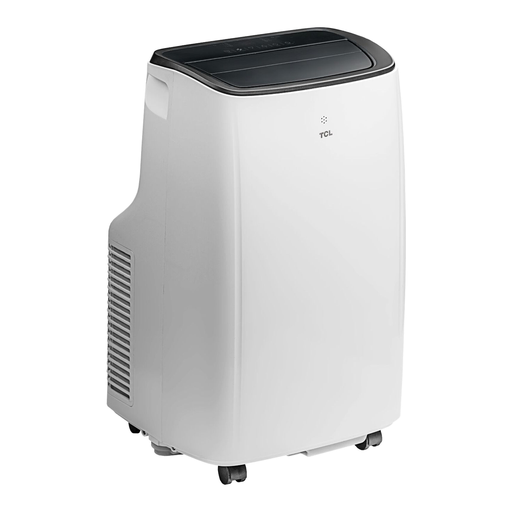
Why This Fits Their Persona: Suitable for users prioritising app control, voice compatibility and additional operating information in a bedroom, living room or office.
Its zip-up window kit, exhaust hose and drainage hose are listed as included, reducing the need to source compatible venting accessories separately.
9000 BTU cooling, Wi-Fi/app control, sleep mode, self-diagnosis and a washable filter.
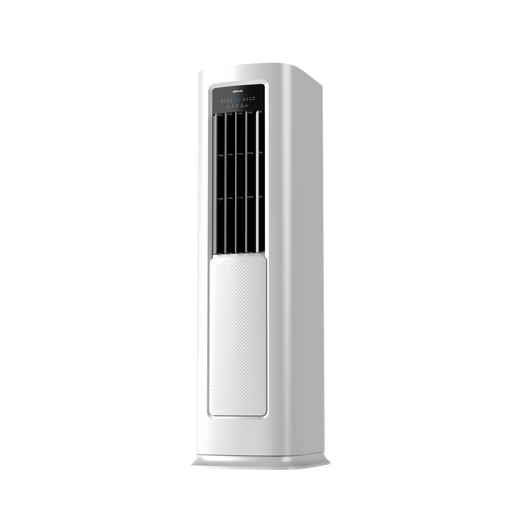
Why This Fits Their Persona: Designed for users needing higher stated cooling capacity in a larger domestic space or heat-prone room, provided the dimensions and ventilation arrangement suit the location.
The product listing specifies a window kit and exhaust hose, so buyers can plan the required outdoor venting before delivery.
12000 BTU capacity, three operating modes, four fan speeds, automatic air swing and a 24-hour timer.

Why This Fits Their Persona: A useful match for renters, office workers and households wanting to adjust cooling remotely through a mobile app.
The stated push/pull window kit, foldable hose, adapter and drainage hose help address the often-overlooked installation requirements.
7000 BTU cooling, Wi-Fi and voice compatibility, A-Class rating, sleep mode and auto restart.
We have compiled a complete, real-time list of products that fully satisfy these strict selection criteria and UK safety regulations.
Usually, yes, when cooling mode is operating. The exhaust hose must discharge warm air outdoors. A supplied window kit or zip-up seal can help reduce gaps, but buyers should confirm compatibility with their particular window.
There is no single figure because cost depends on input power, usage duration, thermostat setting and the electricity tariff. Check the product’s rated input power and use a timer or sleep mode to limit operating hours.
Its service life depends on usage, storage and maintenance. Regular filter cleaning, careful movement, correct drainage and unobstructed ventilation can support reliable operation. Follow the manufacturer’s instructions and arrange refrigerant servicing only through suitably qualified personnel.